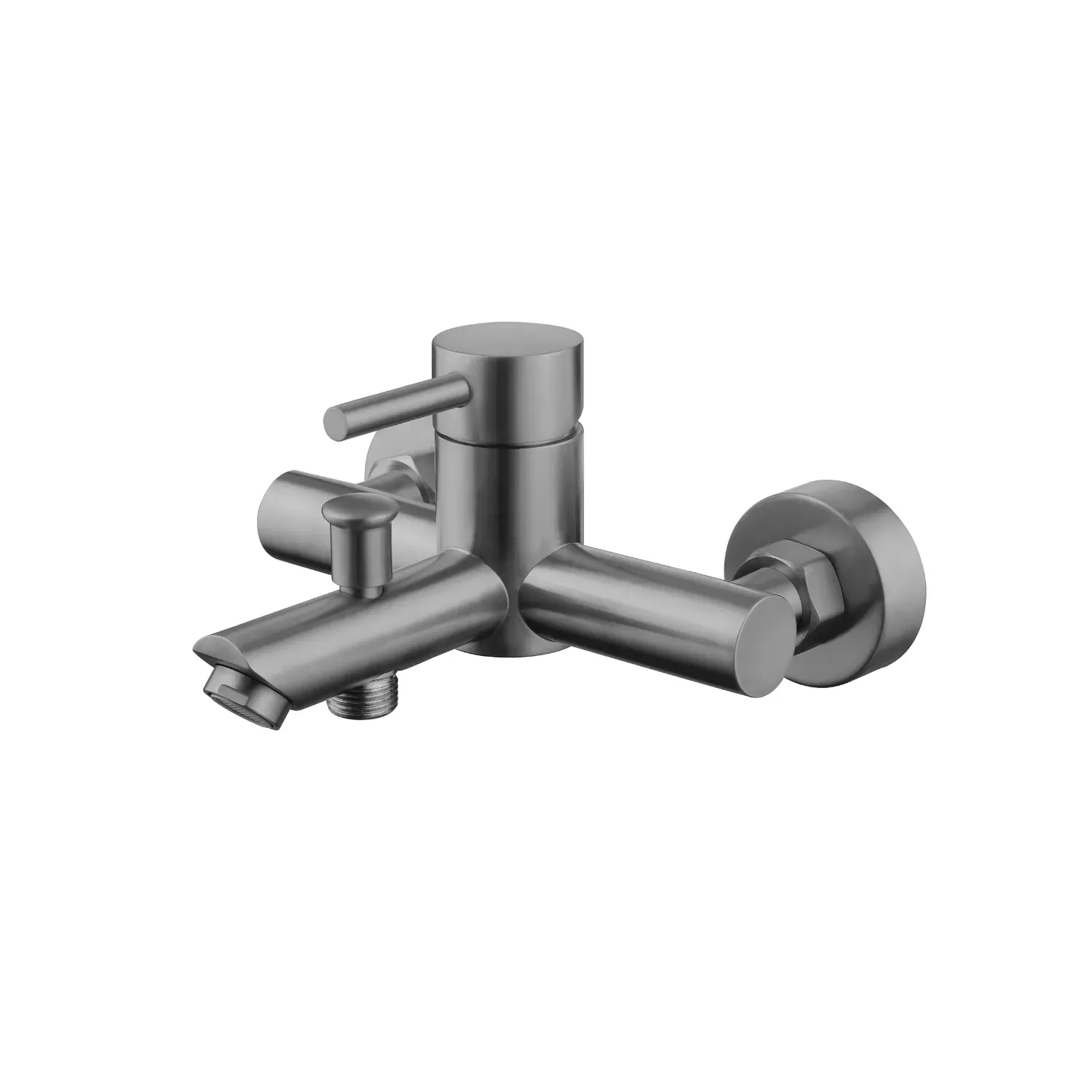
Thermostatic Showers: What to Confirm Before Installation
Prepare a thermostatic shower order with clear supply conditions, model instructions and commissioning records. Understand the 38°C reference before installation.
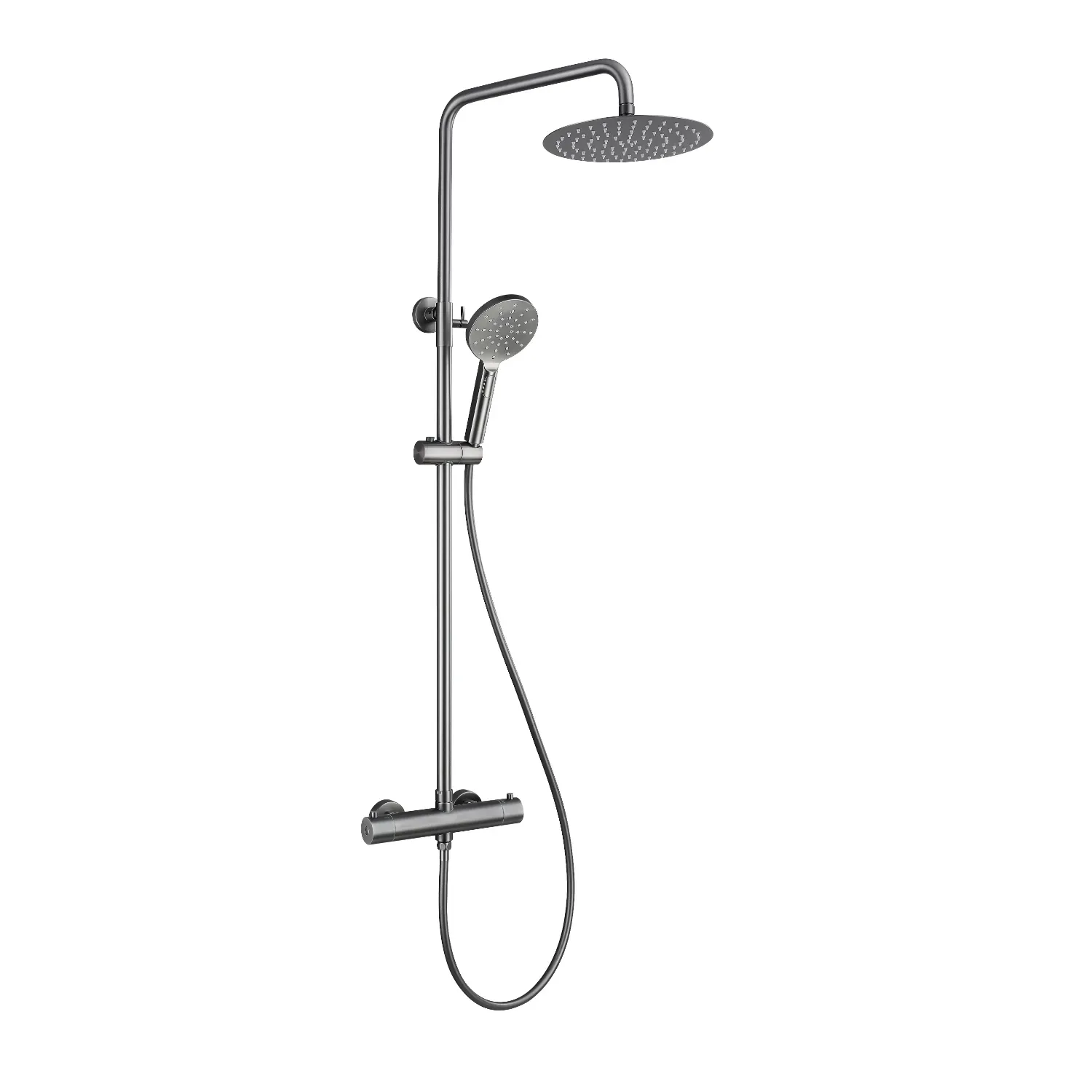
A buyer sees a 38°C marking on a thermostatic shower and expects a familiar, repeatable experience. The installer needs more information: the permitted supply conditions, the correct connections and the procedure for checking the actual outlet temperature.
Those details should travel with the purchase order. For an importer, bathroom brand or project supplier, a clear commissioning brief helps connect the approved shower sample with the system that will be installed. It also gives customer-service staff a better starting point if a temperature question appears after delivery.
Understand what the 38°C reference tells you
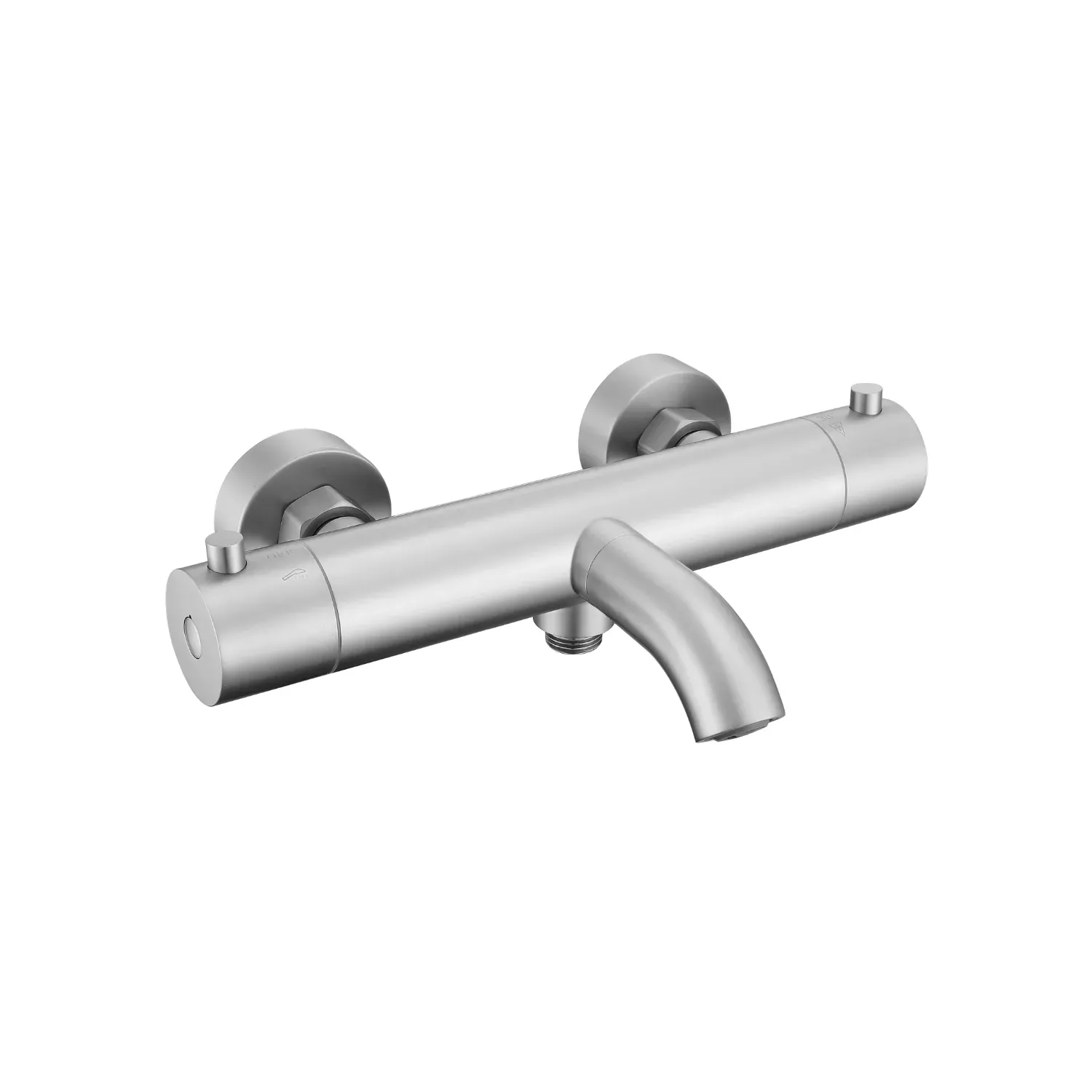
PUREHIN lists SC700705 as an exposed thermostatic shower system with a 38°C reference setting and adjustable outlet temperature. That description does not, by itself, establish a fixed maximum temperature, a particular override mechanism or certification for a specialised application.
A manufacturer's control marking and its temperature-limiting arrangements are separate points to verify. For example, the cited GROHE instructions describe a 38°C stop that can be overridden, as well as a separate temperature-end-stop arrangement. That example explains why the words on a handle need to be read with the exact model instructions. It does not describe SC700705's internal mechanism.
Ask for the selected model's operating description before writing your catalogue claims. If a project requires a defined temperature limit or a particular safety approval, make that requirement explicit and review evidence for the proposed configuration.
Match the shower to the available water supply
Record what the installation can provide, then compare it with the manufacturer's operating limits. A photograph of the shower column cannot establish compatibility with the building's hot-water system.
The request should cover hot and cold inlet temperatures, pressure conditions, permitted imbalance and the flow required for the intended outlets. Ask the supplier to distinguish measured performance from recommended conditions. If those values are unavailable at the enquiry stage, identify who will obtain them before the model is approved.
| Information to confirm | Why the buyer needs it |
|---|---|
| Hot and cold inlet conditions | Allows the installer to compare the building supply with the model's requirements |
| Pressure and flow requirements | Supports a check of the intended operating conditions |
| Inlet orientation and connection drawing | Helps prevent incorrect pipework assumptions |
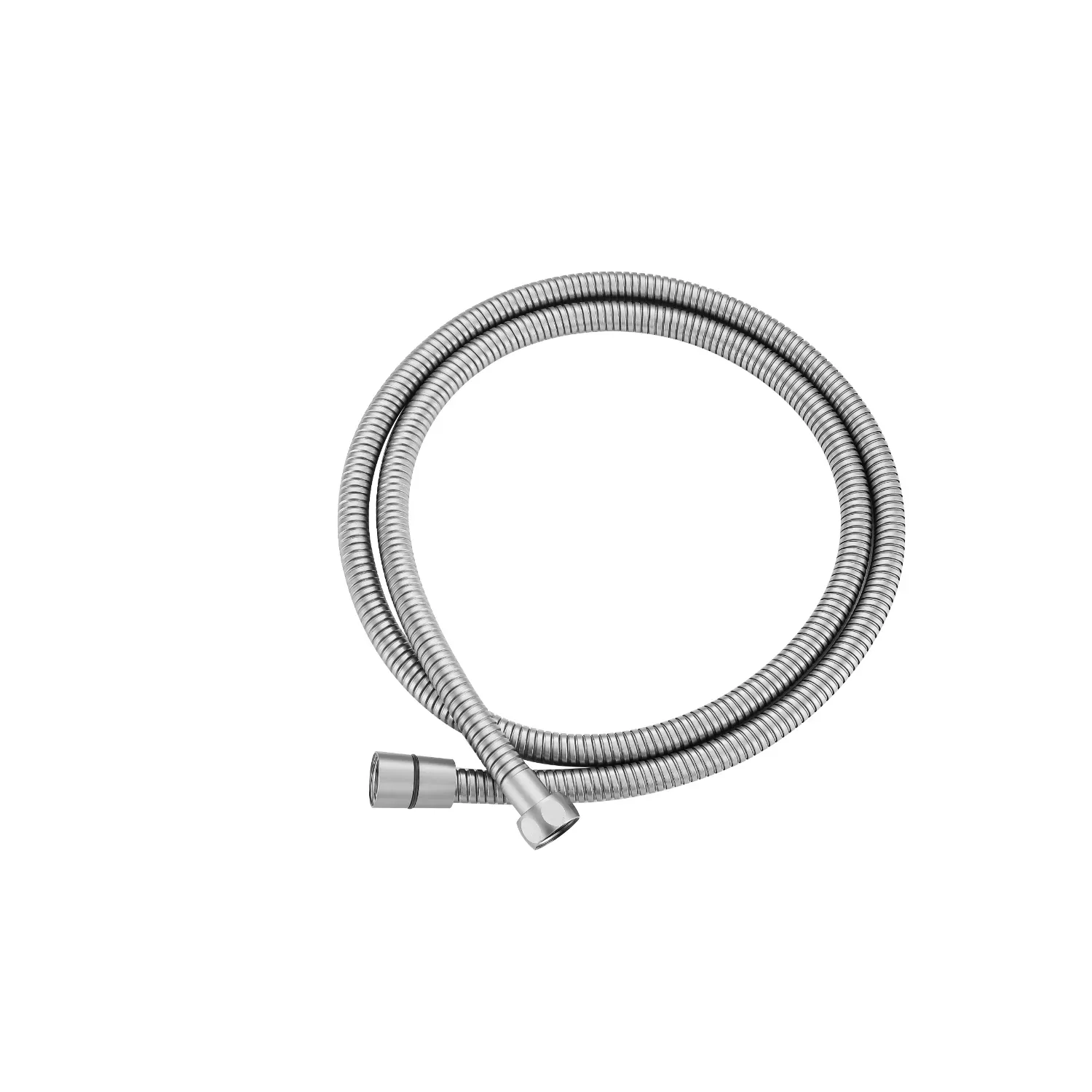
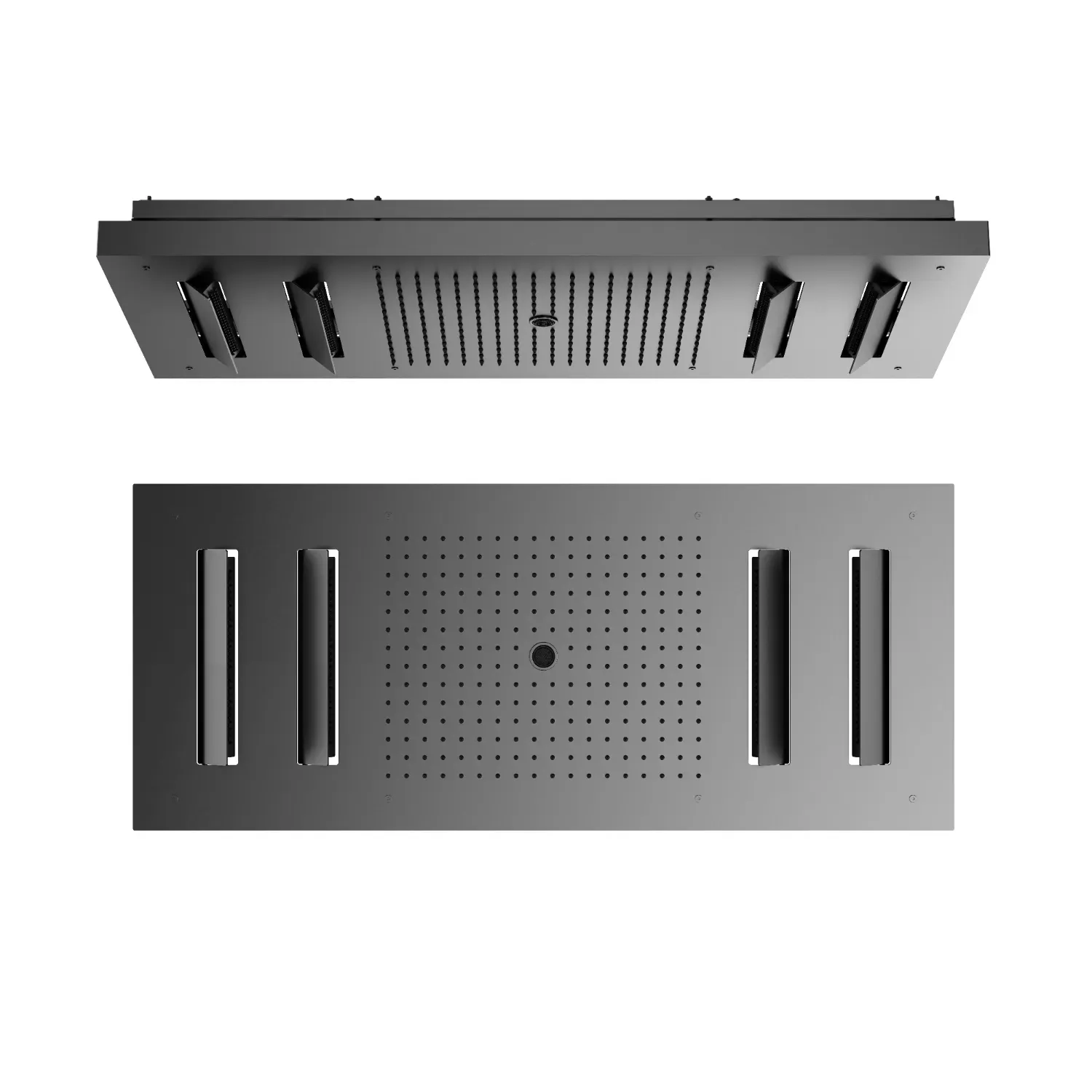
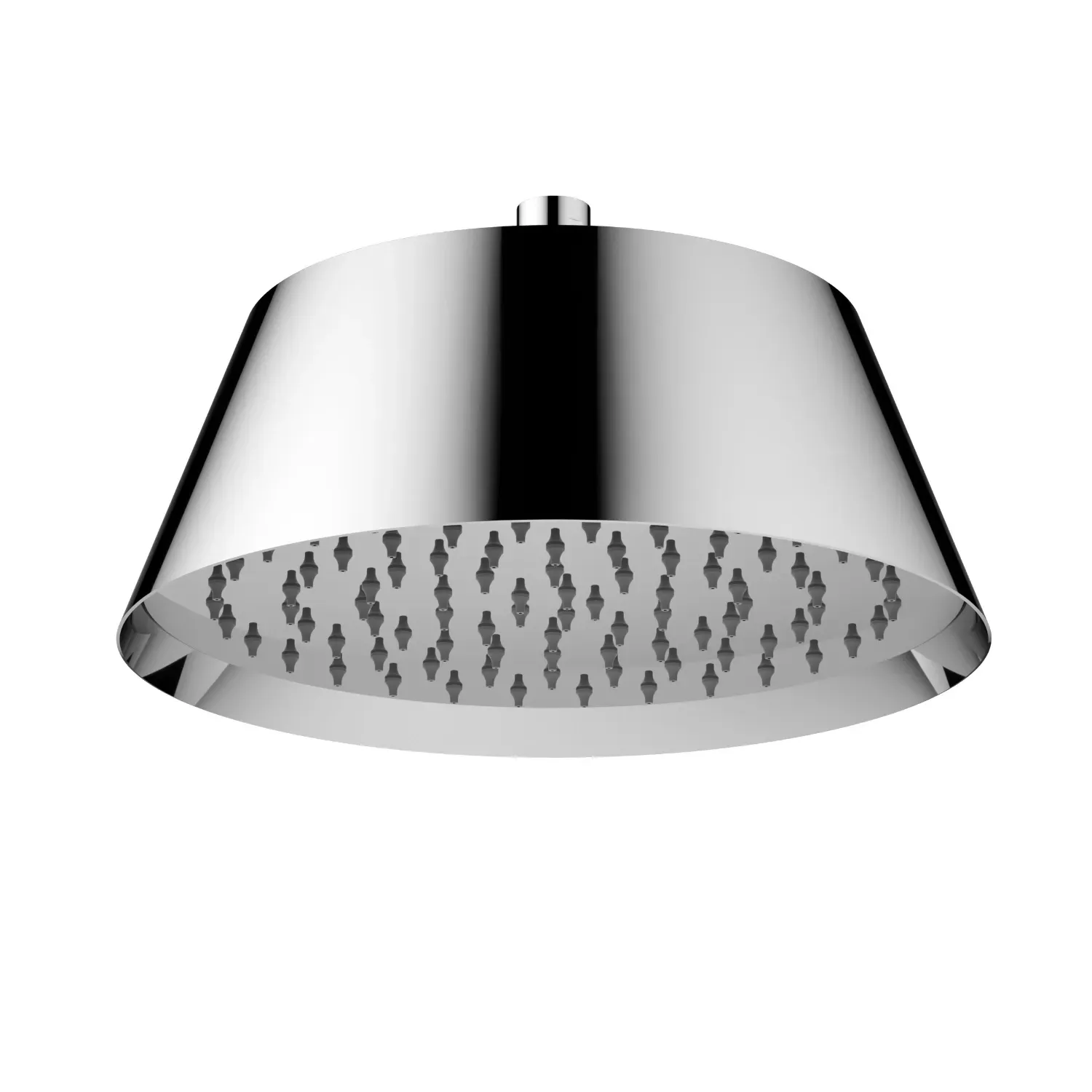
| Selected head, hand shower and hose | Defines the complete assembly being evaluated |
| Temperature-setting and verification instructions | Gives the installer the correct procedure for the actual model |
| Maintenance and replacement references | Helps the owner identify the right service information later |
Treat an unknown field as a question to resolve. Filling the gap with another manufacturer's values can turn a tidy specification sheet into an inaccurate one.
Include a measured commissioning record
The cited GROHE manual calls for adjustment if the measured discharge temperature differs from the thermostat setting, and after maintenance on the thermostatic cartridge. Caleffi's instructions for its 5231 series likewise specify commissioning by qualified personnel using suitable temperature-measurement equipment. The Caleffi product is a centralised mixing valve, not a direct substitute for a shower mixer; its relevance here is the need for a measured, documented commissioning process.
For the selected PUREHIN model, request its own instructions and have the responsible installer agree the checks required for the project. A practical record can identify the installed model, measured supply conditions, selected outlet, measured mixed-water temperature, date and person completing the work.
For installations with more than one outlet, ask the installer to define the relevant operating checks. The test arrangement should reflect the approved configuration. Do not assume a result from one head and hose combination covers every alternative accessory.
Keep the handover useful for the person answering complaints
A message saying “the shower is too cold” gives the supplier little to investigate. A model reference, installation record and description of when the issue occurs are much more useful. Note whether the concern began at installation, after maintenance or after another part of the water system changed.
Keep installation, user and service information together, but make their purposes clear. The user needs ordinary operating and care instructions. Technical adjustment and fault diagnosis belong with a qualified installer following the model documentation. Avoid publishing a universal handle-removal or temperature-adjustment procedure across an entire range.
For private-label stock, connect the customer-facing model code with the supplier's model and revision. This helps a distributor request the right instructions and replacement components without relying on a product photograph alone.
Three actions before approving a thermostatic shower order
1. Put the application in the enquiry
State whether the product is for a retail range, a replacement installation or a project. Name the destination market and any project-specific performance or approval requirements. Include the available water-supply information rather than asking only for a unit price.
2. Review a complete sample configuration
Agree which mixer, head, hand shower, hose and fittings are being supplied. Request the relevant drawings and operating information alongside the sample so the technical reviewer can assess the actual proposal.
3. Agree the handover documents before production
Confirm the required languages, model identifiers, instructions and commissioning-record format. Set a review deadline that leaves time for corrections before cartons and manuals are printed.
Turn the installation questions into a clear enquiry
Use Technical Documentation to ask for available model drawings and operating information. Through Sample Development, discuss a sample configuration that your installer or technical team can evaluate. Send the model, quantity, market and supply conditions to request the next steps and an itemised offer.
Technical references
These manufacturer documents illustrate why control functions and commissioning instructions must be model-specific. Their numerical limits and certifications are not specifications for PUREHIN products.
GROHE — Thermostatic mixer instructions, temperature adjustment and limitation
Caleffi — 5231 series technical and commissioning information
Explore the product references
Discuss the exact configuration and available documentation for your intended market.