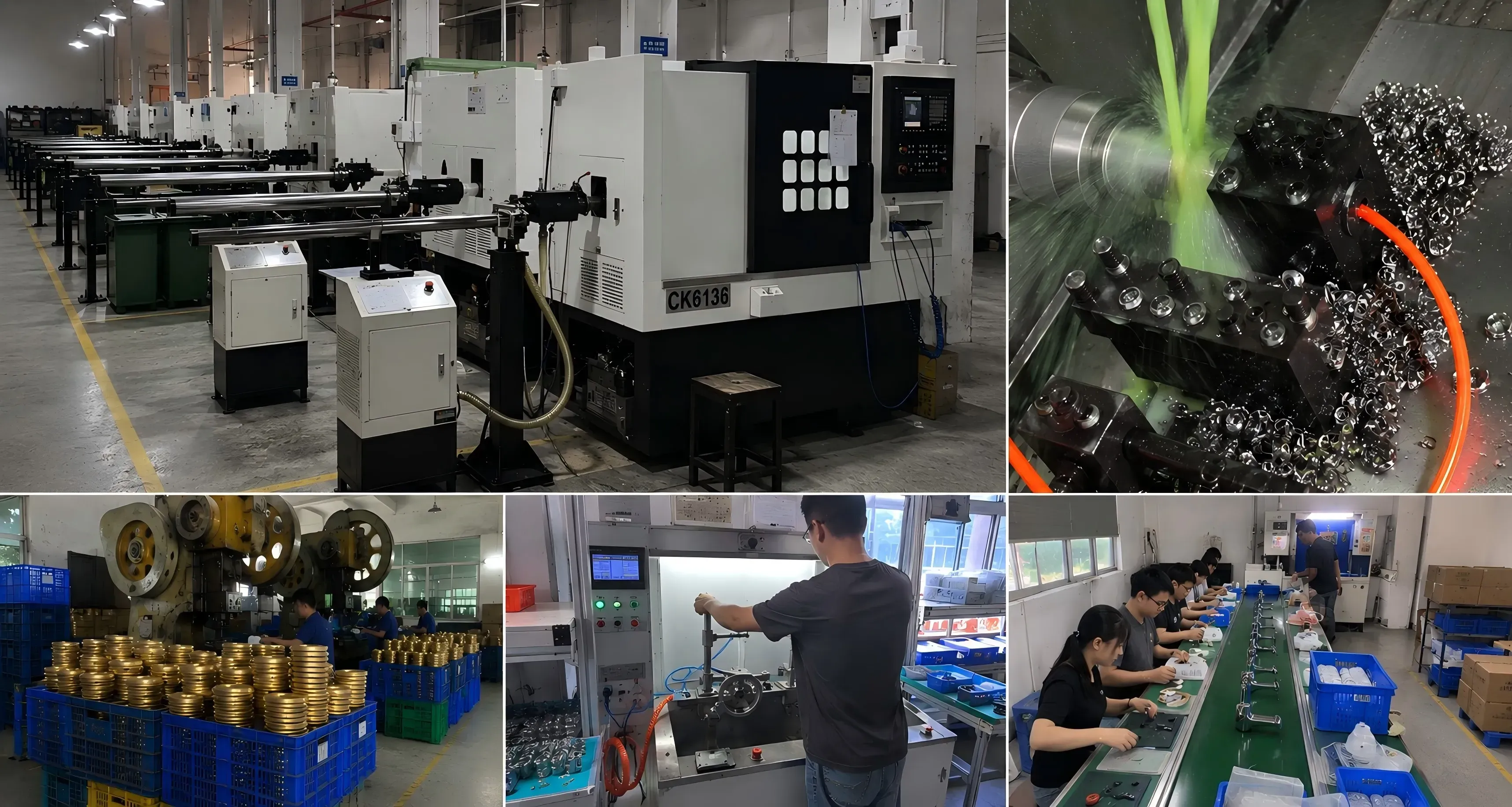
SUS304 or Brass Faucets? Compare More Than the Body
Compare SUS304 and brass faucet offers by body grade, finish, internal parts and supporting documents. Prepare a clear specification for samples and wholesale pricing.
Two faucets can share the same silhouette and colour while using different body materials, internal components and finishes. If a supplier comparison stops at “stainless steel” versus “brass,” it can miss the details that determine whether the proposed product fits your range.
For wholesale and private-label buyers, the useful question is: what exactly is being supplied, and what evidence supports that specification? Compare the body grade, water-contact components, finish and assembled product on separate lines. This creates a clearer basis for samples and pricing without assuming one material label answers every question.
Separate the body material from the finish
SUS304 identifies a stainless steel grade. Brushed, Chrome and Gun Metal describe appearance or finish directions; they do not establish the metal underneath. A coloured surface should therefore have both a material entry and a finish entry in the quotation.
worldstainless explains that stainless steel's corrosion resistance comes from a chromium-rich passive surface film, and that corrosion can still occur under certain conditions. “Stainless” should not be turned into an unlimited rust-proof claim. Ask for care instructions and discuss the intended environment when selecting the grade and finish.
Brass is also a family of materials rather than one fixed specification. The International Copper Association describes it as a range of copper-zinc alloys with differing properties. For a brass offer, ask for the actual alloy designation and the components to which it applies.
Read the material description component by component
A body specification does not describe the entire faucet. The cartridge, seals, hoses, outlet components, mounting hardware and other parts need their own identification where relevant to your purchasing requirements.
Use a simple component schedule. It can distinguish the main body and spout from the handle and decorative covers, then identify the supplied water connections and service parts. This prevents a phrase such as “SUS304 faucet” from being interpreted as a promise that every component is stainless steel.
For your chosen market or project, list the documentation you need and ask which exact model and configuration each document covers. A raw-material report and an assembled-product test report answer different questions. Review their scope before using either in your own product claims.
| Comparison line | Stainless steel offer | Brass offer |
|---|---|---|
| Body specification | Exact grade and components covered | Exact alloy and components covered |
| Surface | Brushing or coating specification and sample | Plating or coating specification and sample |
| Internal parts | Cartridge, seals and outlet references | Cartridge, seals and outlet references |
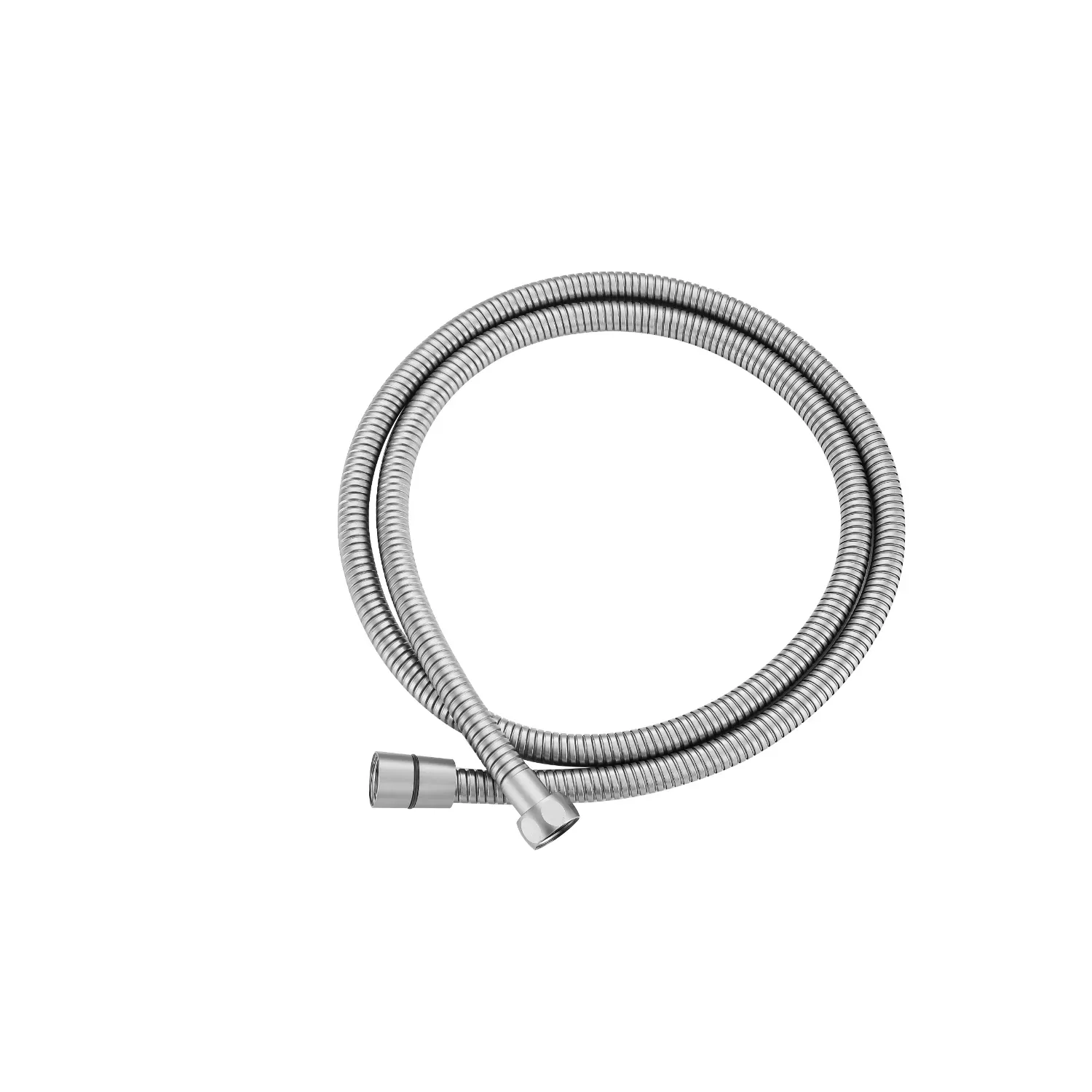
| Supplied connections | Hose and connector specification | Hose and connector specification |
| Evidence | Documents for the quoted configuration | Documents for the quoted configuration |
Keep function constant when comparing the price
Comparing a fixed-spout basin faucet with a pull-out kitchen model will not isolate the effect of body material. Neither will comparing a plain retail pack with branded packaging and a service kit.
Match the intended use, mounting arrangement, control type and supplied parts first. Then compare finish, component references, packaging and order quantities. If the supplier proposes an alternative, ask them to identify what changed. This makes the quotation easier to review with your purchasing, sales and technical teams.
Do the same with samples. Label each one with its model, finish and revision, and keep the quotation beside it. Assess the handle movement, outlet alignment, visible finish and installation fit against the same written brief. Avoid treating weight or surface colour alone as proof of the internal specification.
Where PUREHIN's SUS304 range fits
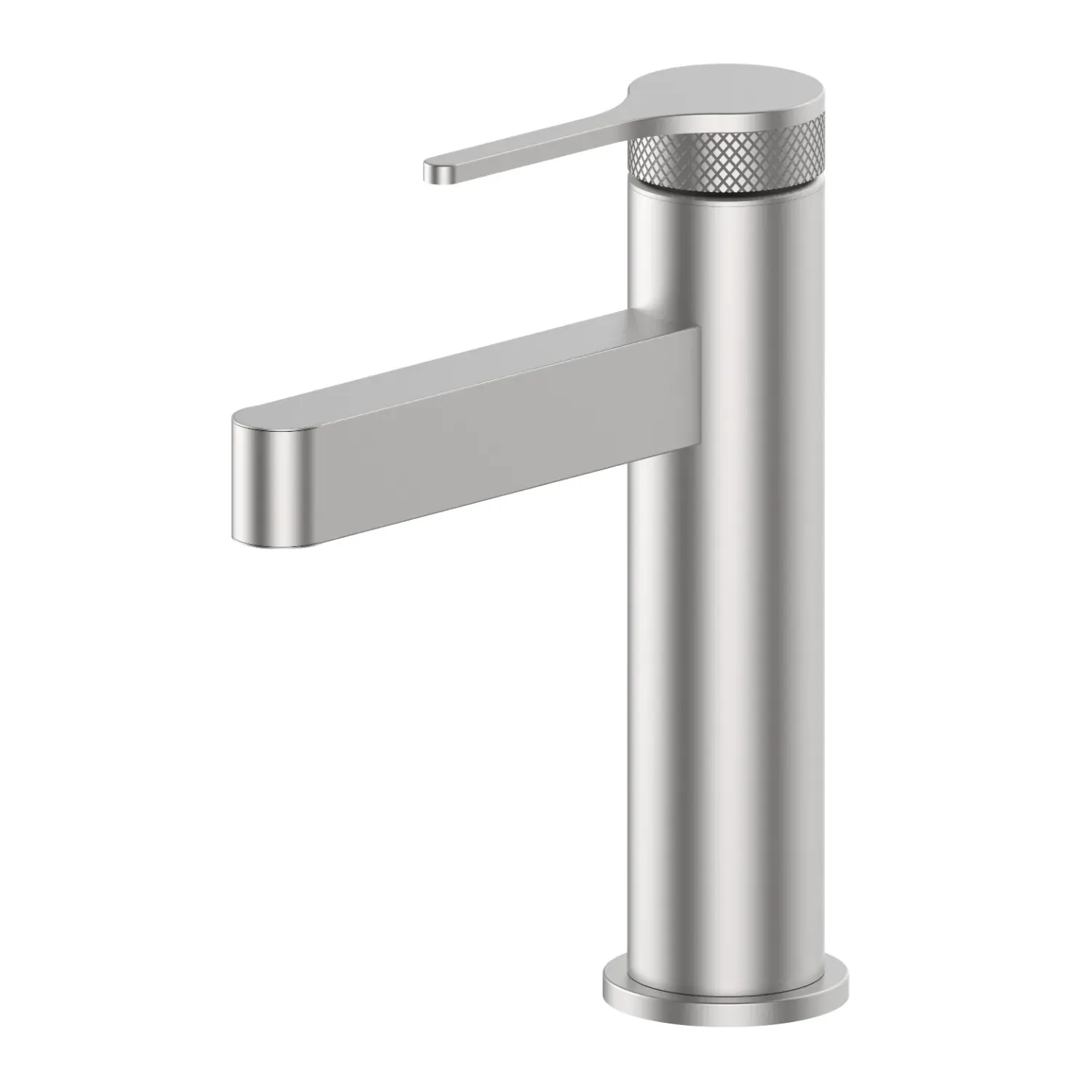
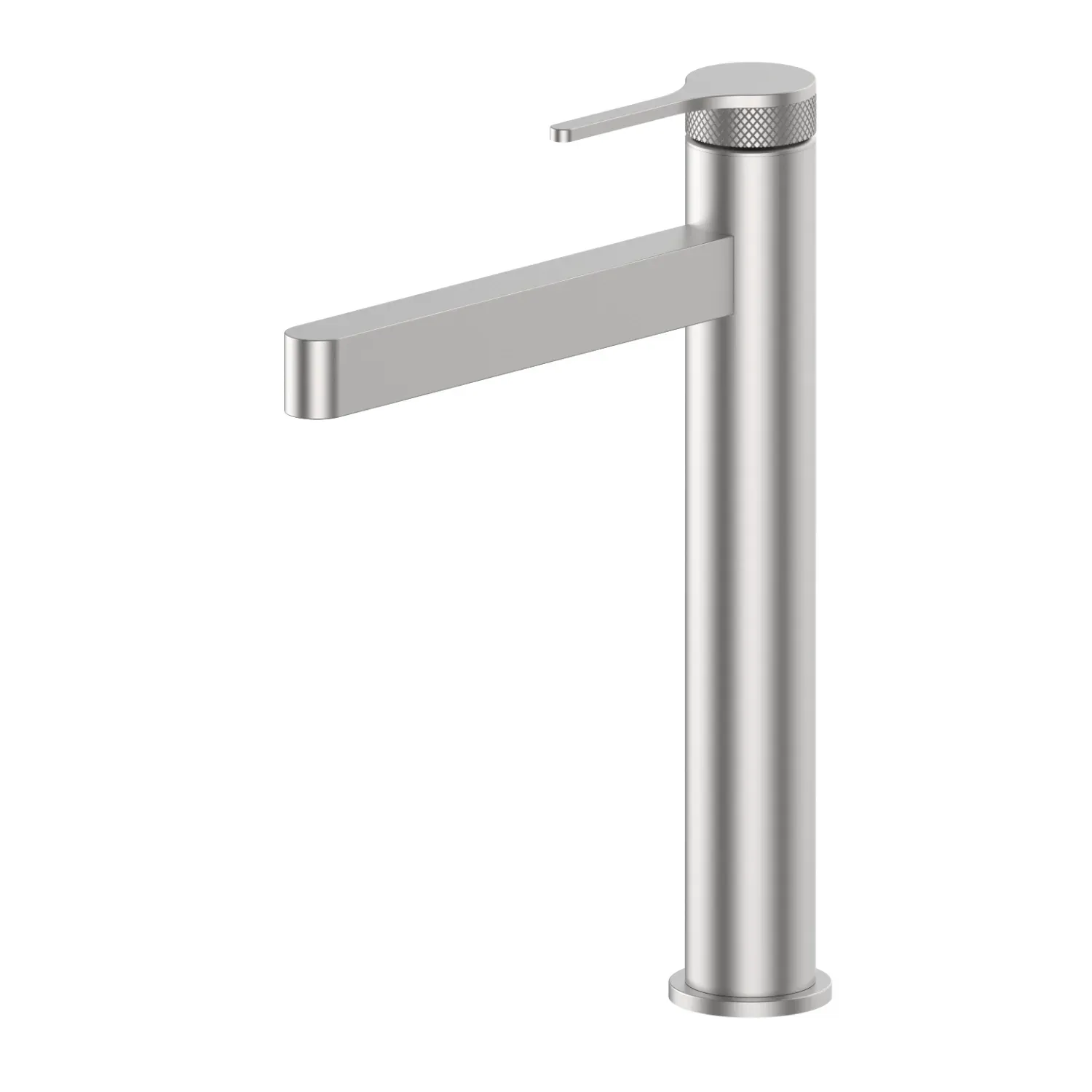
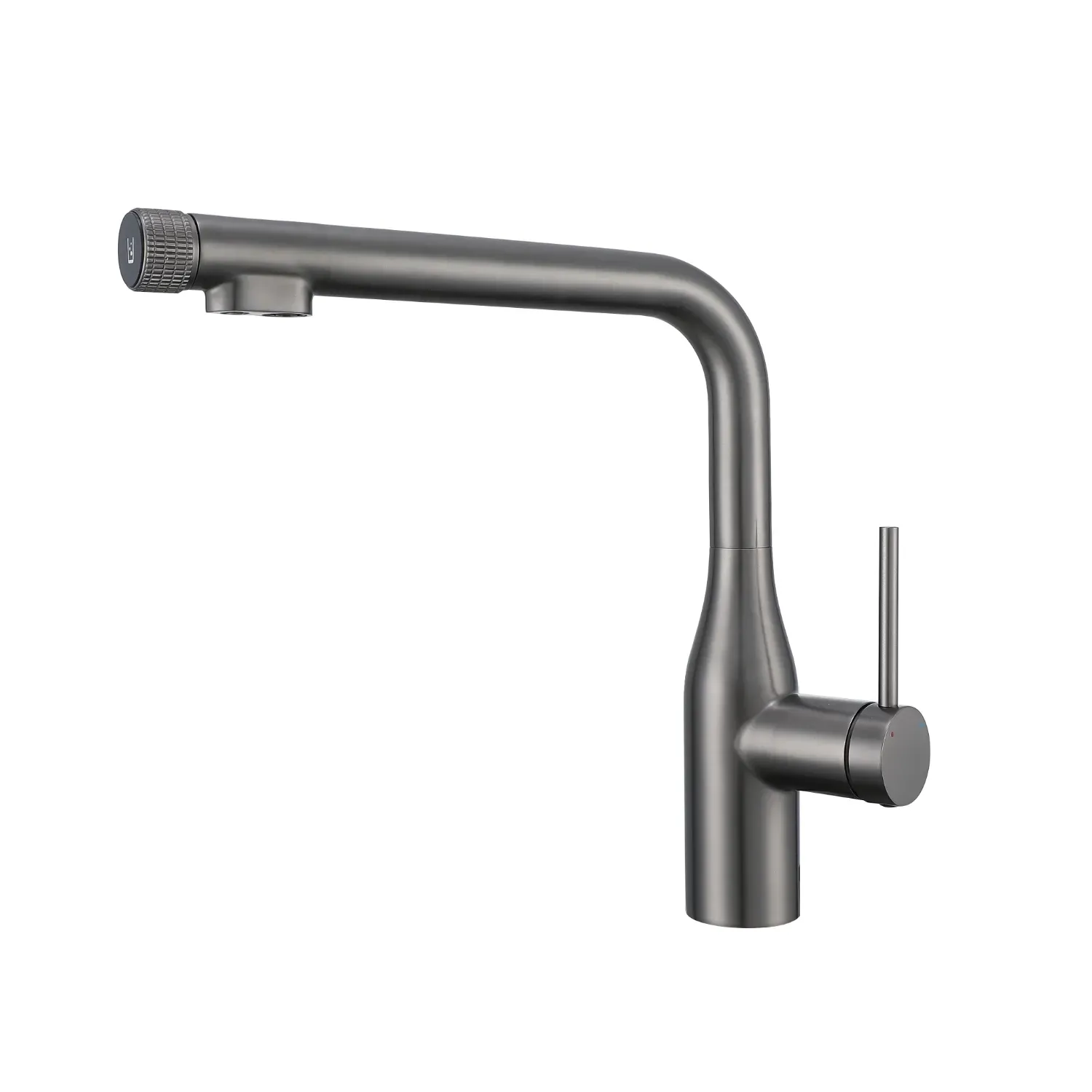
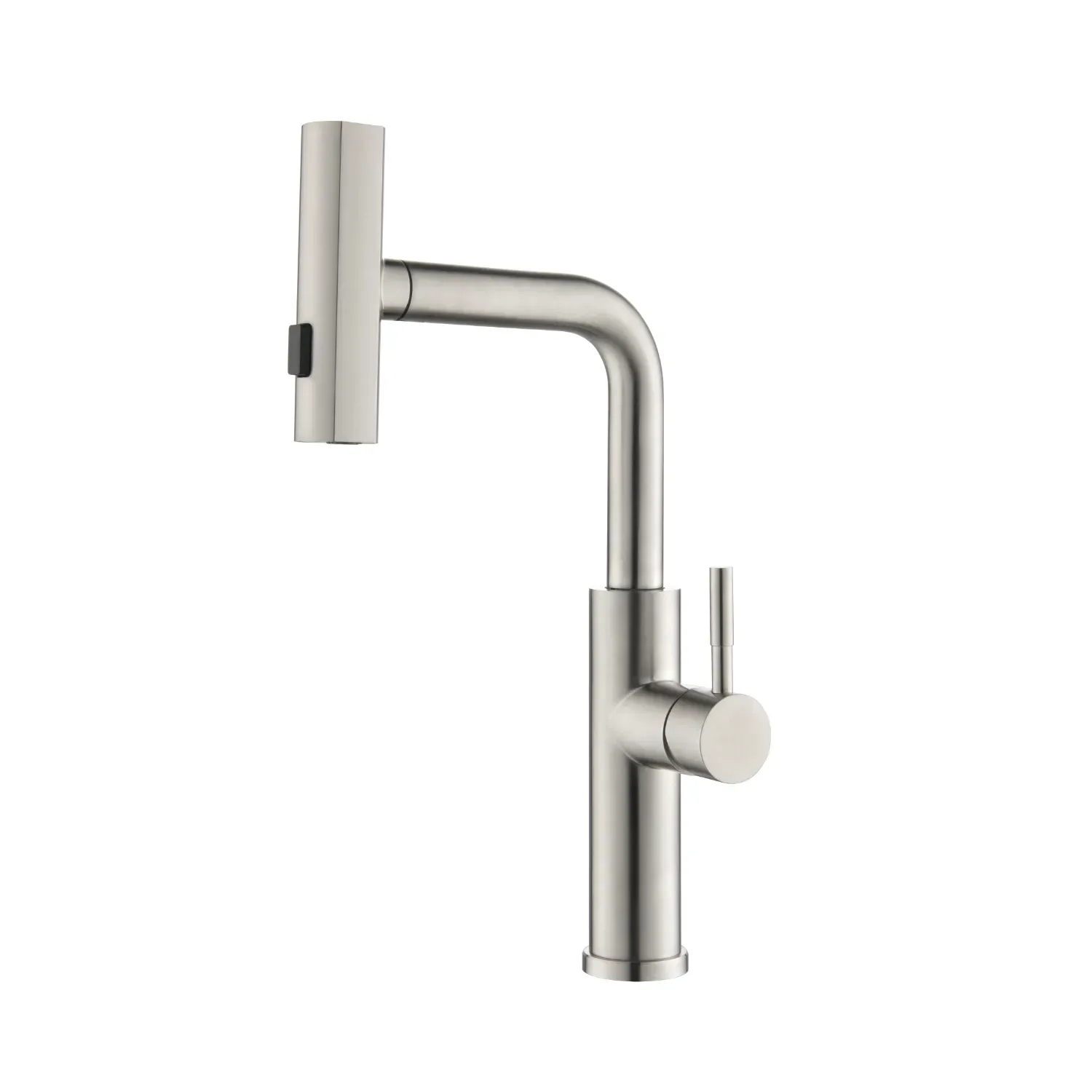
PUREHIN lists SUS304 stainless steel across its faucet range, including the SF310101 single-hole basin faucet and the SF320501 pull-out kitchen faucet. They serve different applications and should be evaluated against the relevant basin or kitchen layout.
If you are considering a SUS304 alternative for an existing collection, send the current product reference and the functions that must stay the same. Include the finish, mounting requirements and intended quantity. Ask for a proposed model, a component breakdown and the available supporting documents. For branded ranges, Private Label support can be discussed alongside the product configuration.
Buyer questions
Does SUS304 mean the finished faucet is approved for my market?
The material grade alone does not establish that. Identify the required documents for your intended sale or project and check their scope against the exact product. Request available information through Technical Documentation.
Can we match the appearance of an existing brass collection?
Share a physical finish reference or clear comparison images and request a sample assessment. Colour names alone are not enough to approve a match. Review the proposed finish and product proportions together before committing to the range.