Shower Showroom Displays That Help Buyers Choose
Build a shower showroom sample set around customer decisions. Plan dry or working displays, model labels and supplied parts before requesting sample pricing.
A shower display should help a customer make a decision. When several products are mounted together without clear differences, visitors may see a wall of chrome but leave without knowing which model suits their bathroom or what the price includes.
For a distributor, retailer or bathroom brand, a useful sample set tells a short story: the experience each product offers, the installation it needs and the parts the customer will receive. Build that story before ordering the display samples. It gives your sales team a reason to start a conversation and a clear route from interest to quotation.
Give each sample a different job
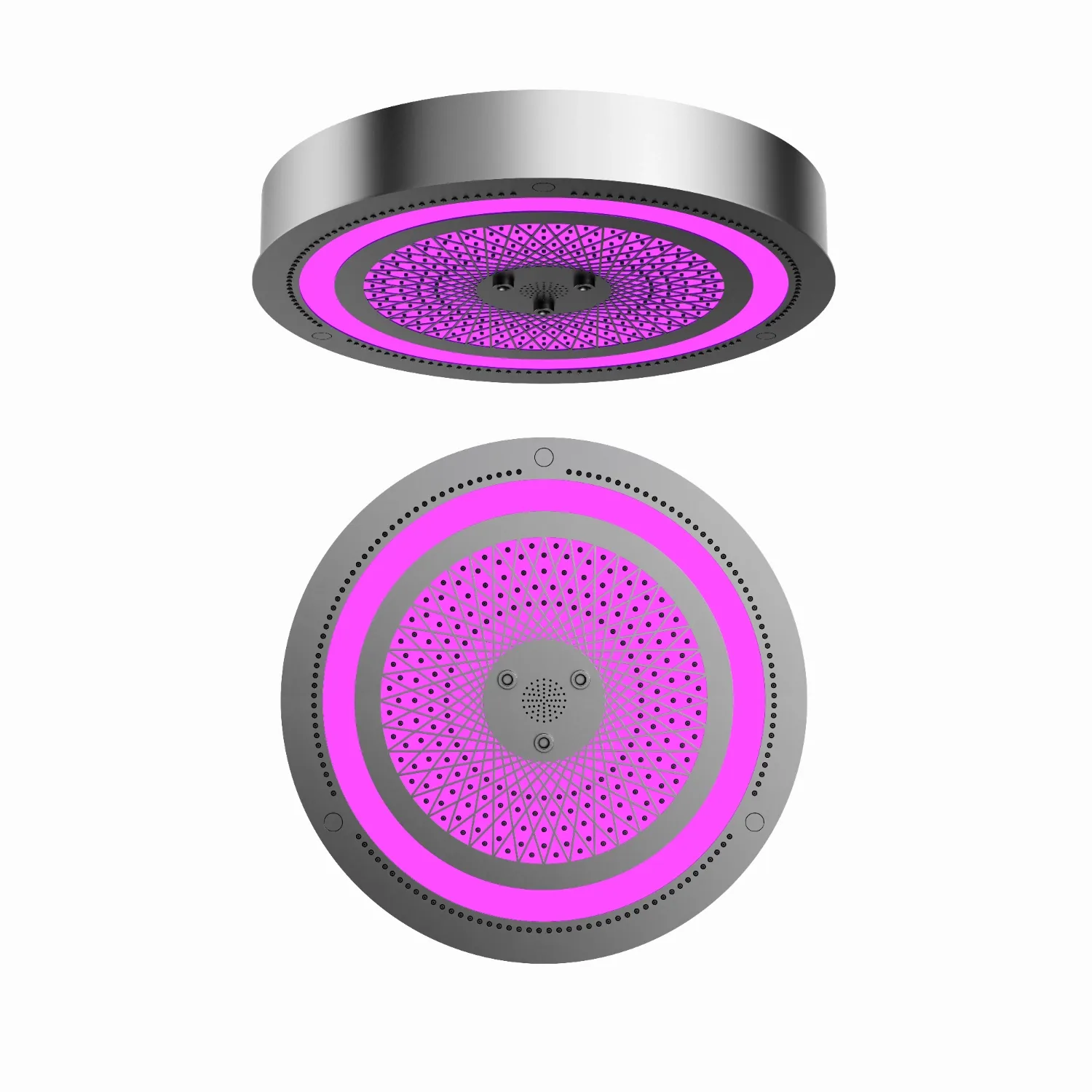
Start with the questions customers actually ask in your showroom. Some want to compare hand-shower spray choices. Others want to see the proportions of an overhead head or understand the difference between a standalone component and a complete system.
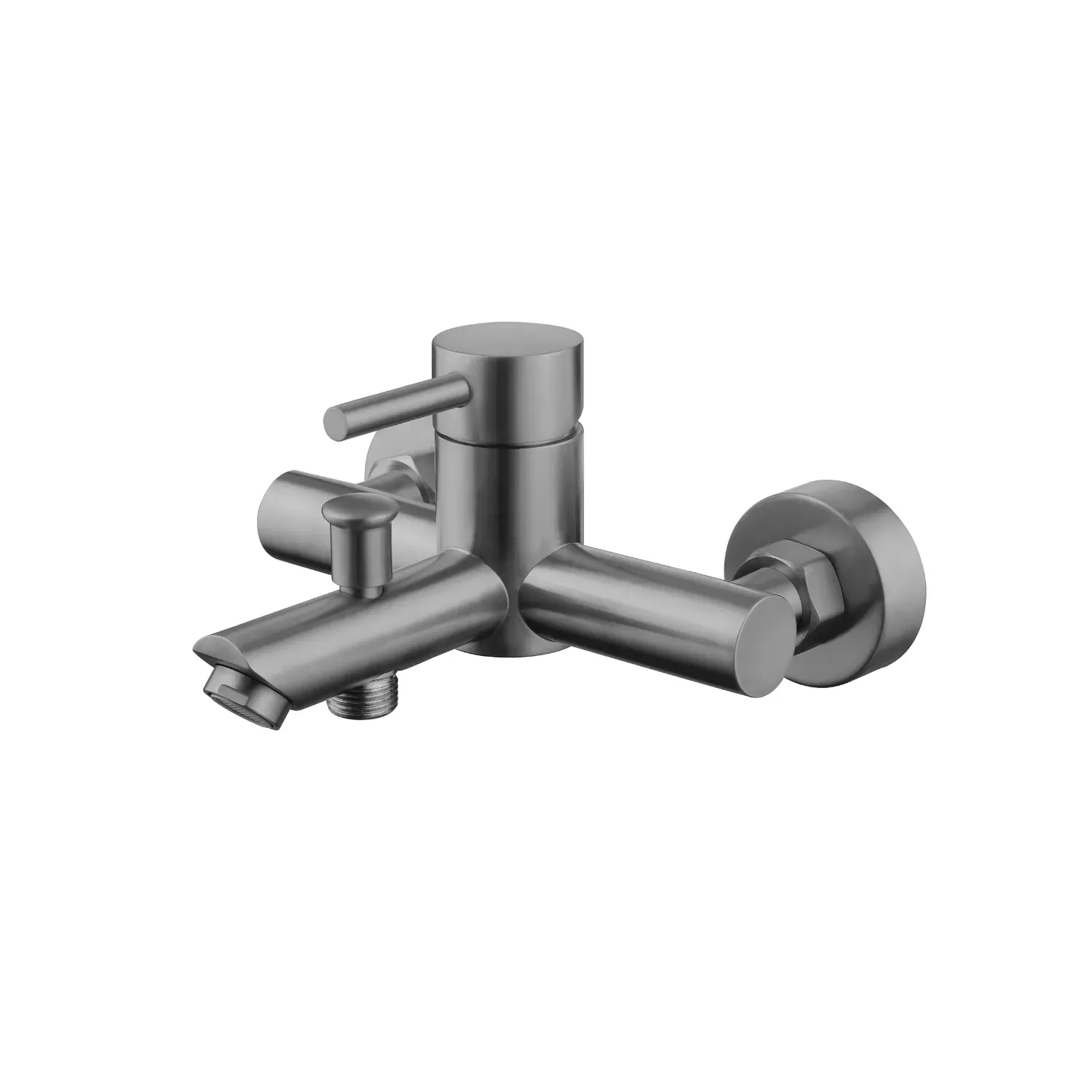
Select samples that answer those questions. Three nearly identical products may add less value than a focused combination showing a hand-shower option, an overhead option and the relevant controls or fittings. Decide which features will be demonstrated and which will be explained using drawings or product information.
An overhead head and a hand shower can sit beside each other as category examples. That does not make them a ready-to-install set. When you want a working combination, request confirmation of the controls, connections, mounting and supply requirements for the complete arrangement.
Decide between a dry display and a working demonstration
A dry display lets buyers inspect shape, finish, grip and proportions. A working demonstration adds the water experience, but it also needs an installation plan. Tell the supplier which type you are building so the sample request addresses the intended use.
For a dry board, provide the panel dimensions, proposed mounting positions and whether customers will remove a hand shower from its holder. For a working display, have the installer define the water supply, drainage, controls, access and operating requirements. Ask for the product information needed to check the arrangement before ordering fittings.
If water cannot be demonstrated, use clearly identified model-specific material rather than a generic spray video. A visitor should be able to tell whether the footage shows the exact product on the board and which modes are being demonstrated.
| Display purpose | What to show | What the customer should learn |
|---|---|---|
| Hand-shower comparison | Handle, face and available controls | How the model feels and which functions are specified |
| Overhead-shower selection | Actual head size and mounting example | How the product relates to the planned shower space |
| Finish selection | Labelled physical references | Which colour and surface the quotation describes |
| Complete-set explanation | Itemised parts beside a layout | What is included and what is ordered separately |
Make the product label useful to the sales team
Keep the visible label short: model, finish, product type and one relevant feature. Add a QR code or product link leading to the exact model page, rather than a general homepage. The salesperson can then continue the discussion with the same reference the customer has photographed.
Keep a more detailed specification sheet behind the display. It should identify the approved sample, installation drawing if available, supply scope and quotation reference. Record alternative finishes separately so a customer does not assume that every colour on the board is available for every model.
This also helps when a display sample is replaced. Retain the old and new model references in the showroom record, update the label and check that the linked page still describes the product being shown.
A practical starting point from the PUREHIN range
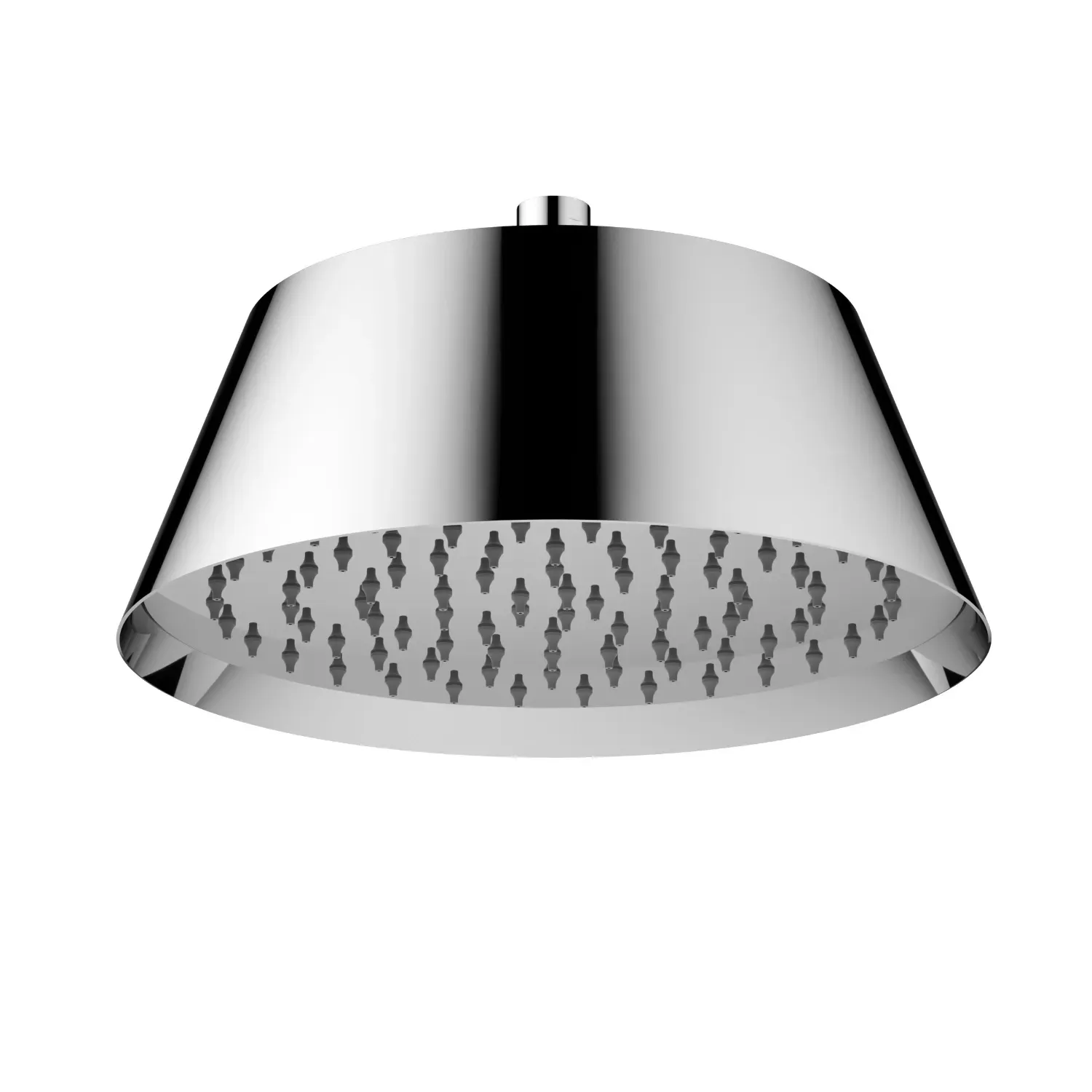
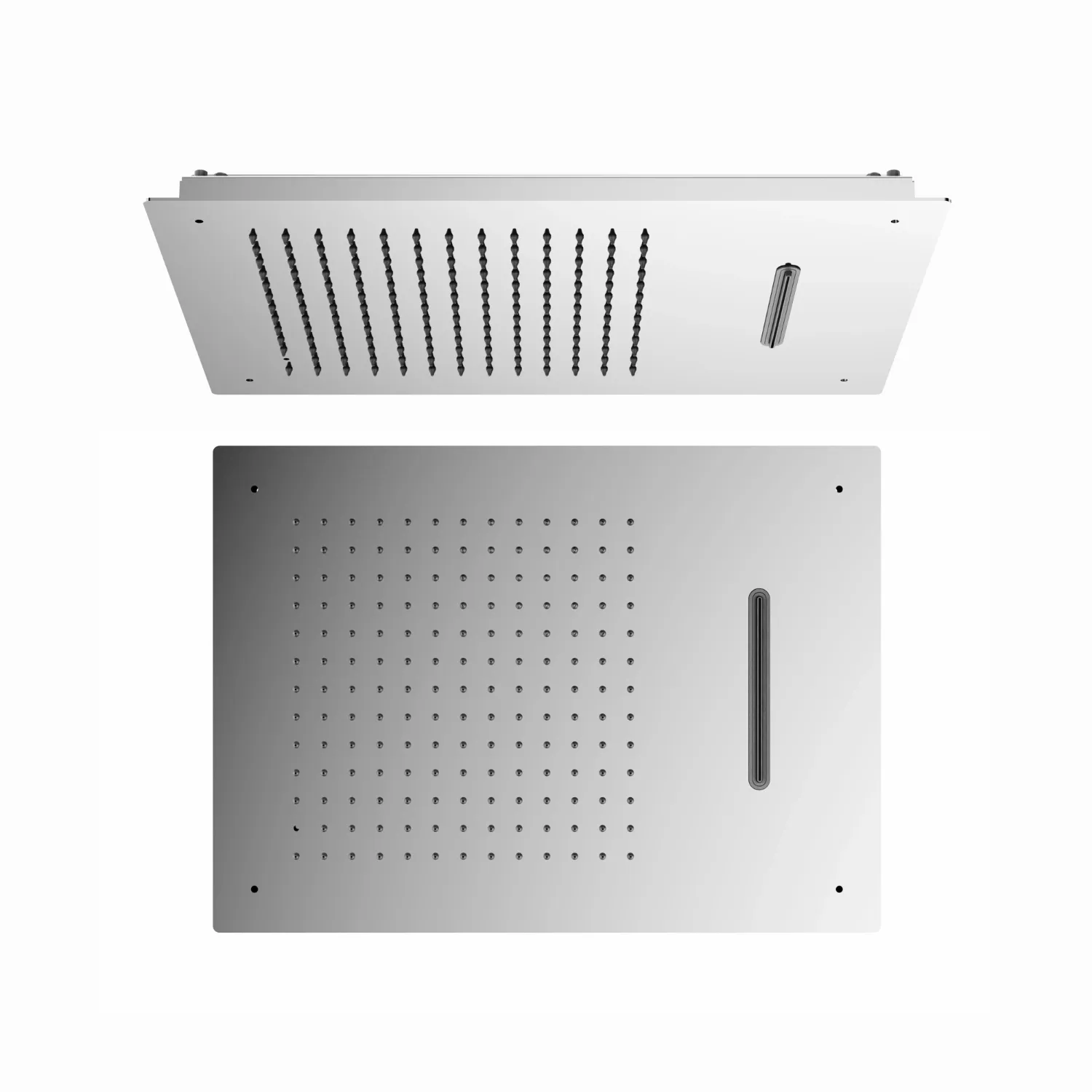
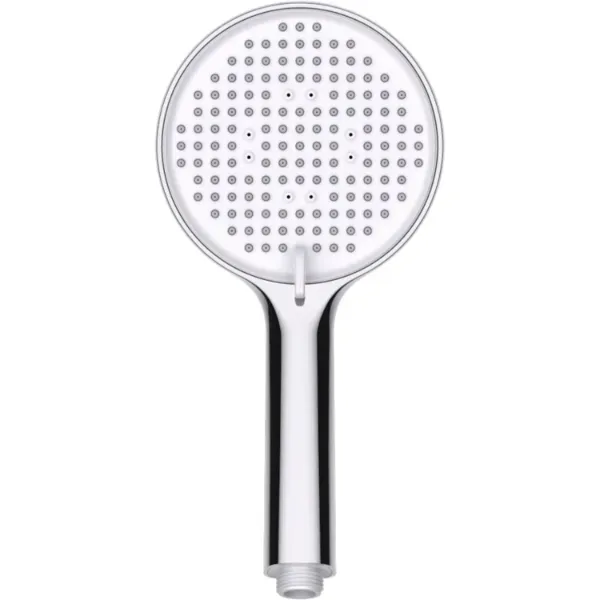
The HS3005 Chrome and White hand shower provides a hand-shower reference, while the SRS5300 Chrome overhead rain shower head provides an overhead reference. Use them to explore two product categories; request a separate compatibility review if you intend to combine them in one working installation.
Share your display space, customer profile and the decisions you want the board to support. Ask PUREHIN to propose a shortlist with sample pricing, the supplied parts and available product information. Sample Development is the next step for discussing the evaluation scope, while Technical Documentation supports the installation review.
Buyer questions
Should we display every model and finish?
Start with the comparisons customers need to make. Keep secondary options in a clearly organised sample or catalogue system. Expand the physical display when customer enquiries reveal a decision that the current board cannot explain.
What should we send to request a display sample quotation?
Send a photo or sketch of the available space, the products or categories of interest, preferred finishes and sample quantities. State whether the display is dry or working and distinguish display quantities from your expected saleable stock. Ask for the two scopes to be priced clearly.