Shower Hose Buying Guide: Length, Connections and Fit
Choose a shower hose by installed length, end connections and holder fit. Review PH0201 and build a practical sample check for replacement or complete shower sets.
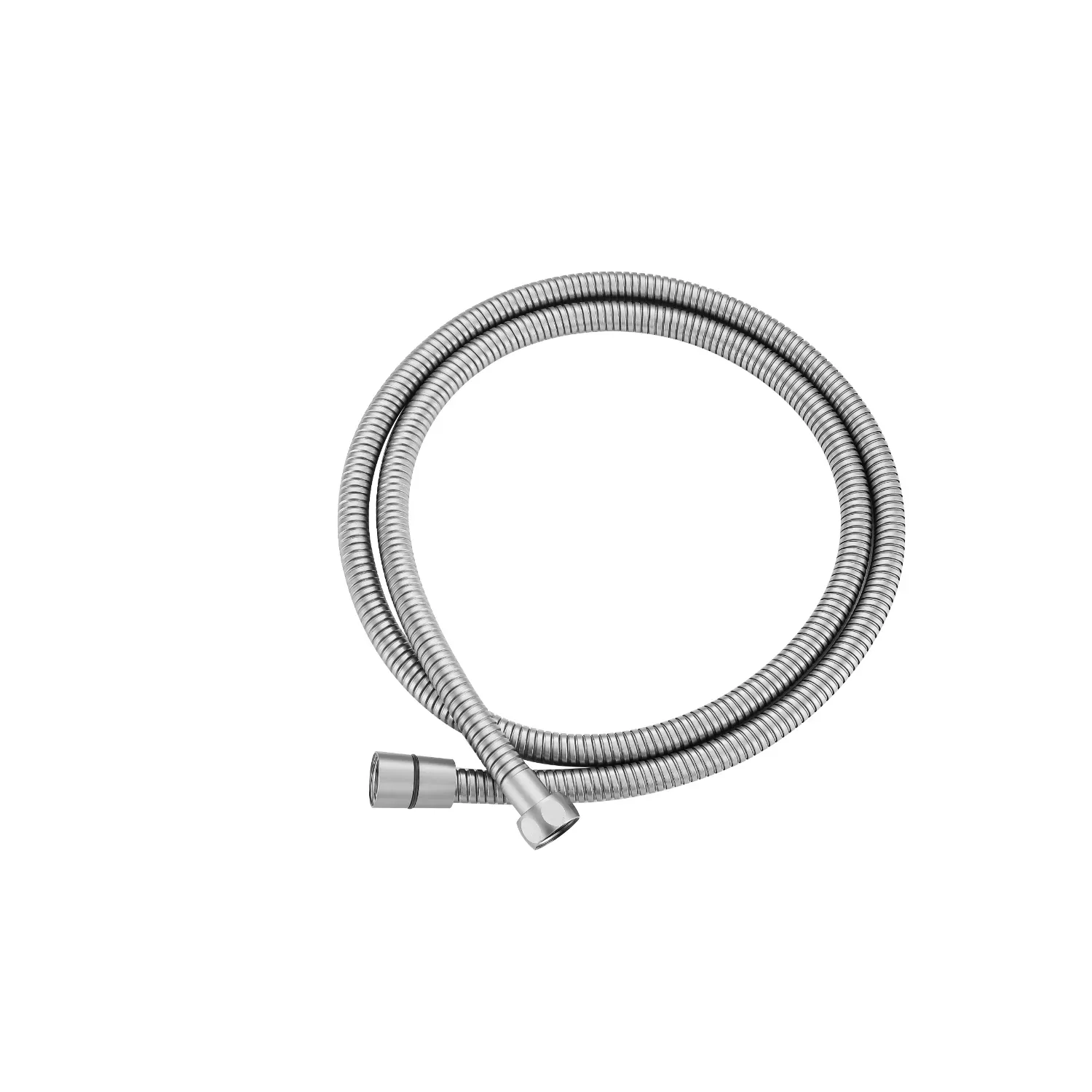
A shower hose can look like a simple finishing item until the hand shower sits badly in its holder or the hose pulls tight during use. For a replacement range or a complete shower set, the right choice needs more than a matching colour.
Start with the installed arrangement: where the water outlet sits, where the hand shower is stored and how far it needs to move. Then match the hose, connectors and holder as an assembly. This gives wholesalers and project buyers a clearer specification and a more useful sample test.
Choose length from the layout
Measure the route between the water outlet and the hand shower in its normal stored position, then consider the movement needed during use. A straight-line distance alone does not describe how the hose will hang around a rail, mixer or bath edge.
If you are deciding between lengths such as 1.5 m and 2.0 m, treat them as candidate specifications to evaluate—not as universal recommendations or a statement of stock availability. Check whether the shorter option restricts reach and whether the longer option leaves an inconvenient loop in the actual installation.
For a project, compare the layout across room types. A hose selected for one outlet position may behave differently when the outlet or holder moves. Record the proposed length against the relevant drawing or room arrangement rather than ordering by a general bathroom photograph.
Check the connection and the holder separately
A threaded connection and a holder perform different jobs. The connection joins the hose to the outlet or hand shower; the holder supports the stored hand shower assembly. A thread description alone does not tell you whether the connector shape will sit neatly in a particular holder.
Compare the specified connection at both ends and inspect the mating parts. For the holder, check how the connector seats, whether it holds the intended angle and whether the hand shower can be removed comfortably. Include the required seals in the supplied-parts discussion and follow the product’s installation instructions for assembly.
Avoid promising that a hose will fit every existing shower from a nominal connection size alone. When supplying replacements, a clear photograph and the original model or fitting details make the review more useful.
Read the construction as separate components
The outer hose, inner tube and end connectors are separate elements of the assembly. An outer-material description does not identify every component or establish the complete hose’s operating limits.
PUREHIN’s PH0201 shower hose is listed with SUS304 stainless steel, an EPDM inner tube, G1/2 connections and a brushed finish. Use that model as a product reference when requesting a length and supply configuration for your range. Request the applicable operating information for the version being quoted; do not infer pressure or temperature ratings from the material name.
The same approach applies to appearance. Compare the visible hose and connector finish with the hand shower, holder and outlet under the same lighting. A description such as “silver” is too broad when the range needs a coordinated presentation.
Test the complete assembly before a bulk order
Build the sample arrangement with the actual hand shower, holder and outlet wherever practical. A hose that looks suitable in its package still needs to be evaluated in use.
| Check | What to observe | What to record |
|---|---|---|
| Stored position | How the hose hangs and the connector sits in the holder | Hose length, holder model and outlet position |
| Reach | Movement between the intended use positions | Any pulling, awkward bends or excess loop |
| Handling | Removal, return and normal hand-shower movement | Assembly references and any interference |
| Connections | Fit and sealing when assembled as instructed | End fittings and supplied seals |
| Appearance | Hose and connector finish beside the other visible parts | Approved finish reference and sample identification |
Any performance testing should follow the applicable product instructions and agreed test conditions. A brief sample handling check helps selection, but it should not be presented as a durability certification or a substitute for required technical evidence.
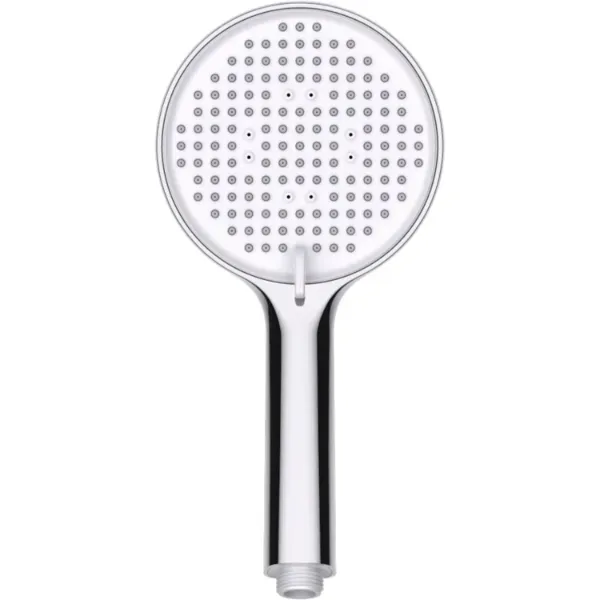
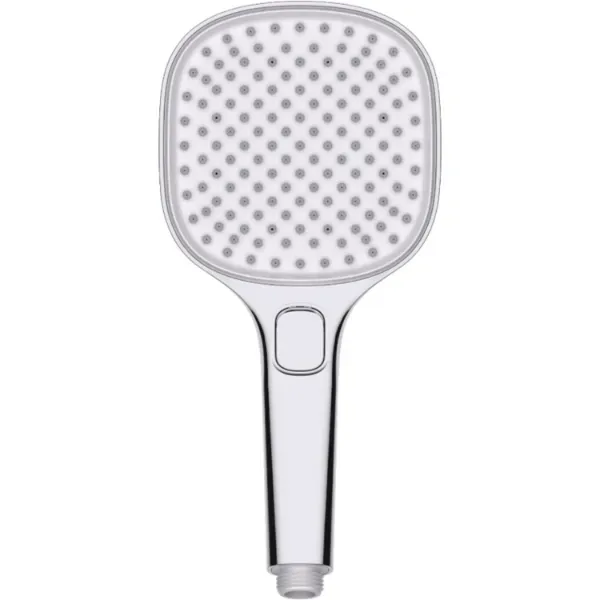
For a hand-shower reference, see HS3005. Evaluate the chosen hose and holder with the actual hand shower before approving them as a complete set.
Make the hose easy to reorder
Give each approved version a clear purchasing reference that includes the model, specified length, finish and connector configuration. If two lengths share one product family, keep separate order lines and labels so a warehouse can distinguish them without opening every pack.
Ask for available technical documentation when your team needs connection or product information. Use sample development to discuss the assembly you want to evaluate, rather than requesting an unidentified “standard hose”.
Buyer questions
Is a longer shower hose always more convenient?
No. Extra length may help a particular use, but the stored loop and movement also need to suit the installation. Choose from the actual outlet position, holder position and reach requirement.
Can the same hose be used across an entire shower range?
It may be possible, but verify each intended combination. Review both connections, holder seating, length and finish before treating different hand showers or room layouts as one approved assembly.
Find a hose for your shower range
Send PUREHIN your hand-shower model or photo, outlet and holder details, preferred hose length, finish and estimated quantity. If the layout is still open, include a simple picture showing the proposed positions. Ask for PH0201 options and the sample information needed to evaluate the complete combination.