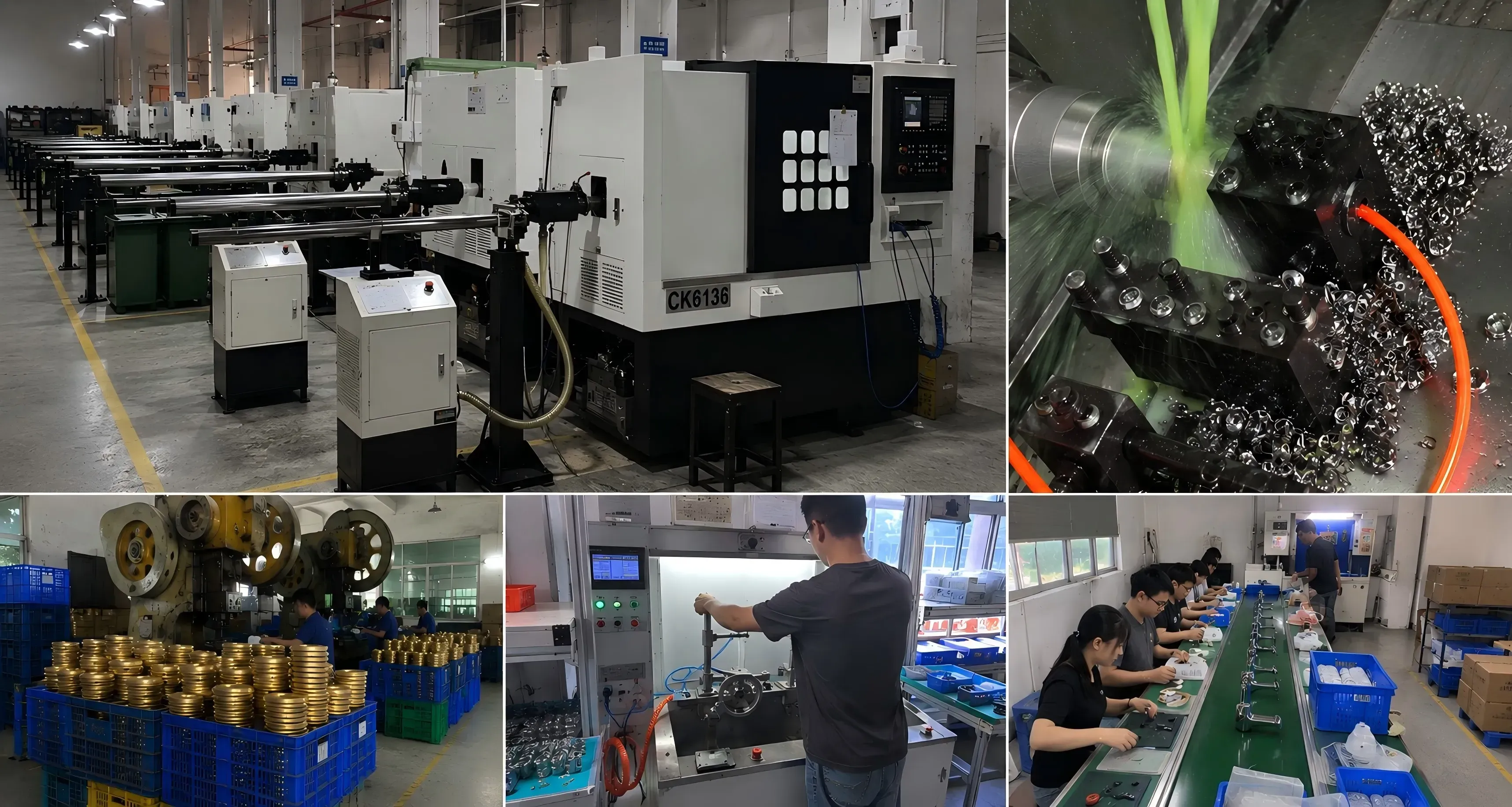
Repeat Faucet Orders: Keep the Approved Specification
Keep repeat faucet orders aligned with the approved specification. Record components, review substitutions and connect batch identification with spare-parts support.
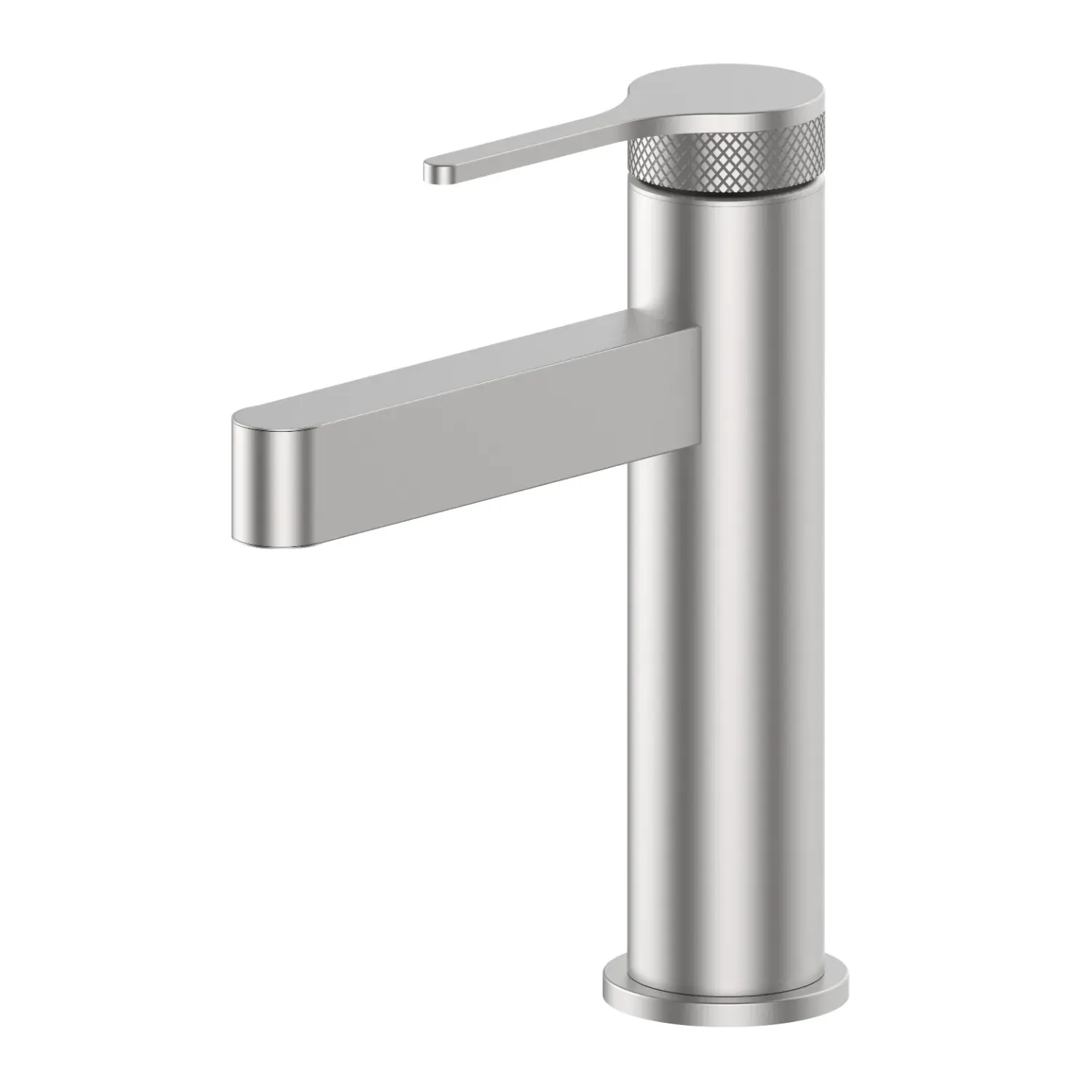
The first faucet sample has been approved, the launch is complete and stock is selling. The next purchase order appears simple: order the same model again. But a model number on its own may not capture the approved cartridge, aerator, hoses, finish reference or packaging revision.
For an importer or private-label brand, a repeat-order process should make the agreed configuration easy to reproduce and any proposed change easy to review. That gives purchasing, quality and the supplier a shared reference instead of relying on an old email saying “same as last time.”
Create a versioned specification for the order
Build a controlled product sheet around the commercial model number. Include the approved drawing, body material, finish reference, functional components, supplied accessories and packaging files. Give the sheet a revision and approval date, and make clear which purchase orders use it.
Record the required component manufacturer and part number where they are part of the agreement. Where alternatives are permitted, identify the approved alternatives explicitly. “Ceramic cartridge” or “water-saving aerator” may describe a category without identifying the selected part or its required performance.
Keep the scope practical. The supplier does not need a new document for every email exchange, but both parties need to know which specification governs production and who can approve a change to it.
Small component changes can affect the finished product
Neoperl distinguishes aerators using simple flow restriction from versions with integral flow regulation. Those approaches respond differently to pressure variation. This is a useful example of why a similar-looking insert should not automatically be treated as functionally identical.
Sedal's component documentation likewise gives part-specific information and test conditions. Its 08SN35L4501 data sheet includes operating characteristics and qualifications to assembly data. Such a sheet identifies one component; it is not a performance certificate for every faucet that might contain it. Neither manufacturer reference here establishes which components are fitted to a particular PUREHIN model.
For your order, define what must remain consistent: handle movement, stream behaviour, installation fit, service-part compatibility and any documented product claims. Let the review focus on the effect of the proposed change rather than accepting “equivalent quality” without an explanation.
| Item in the approved specification | Example of a proposed change | Review before acceptance |
|---|---|---|
| Cartridge reference | Different part or supplier | Fit, operation, relevant performance evidence and service implications |
| Aerator or flow-control insert | Different insert with a similar housing | Stream type, flow conditions and replacement identification |
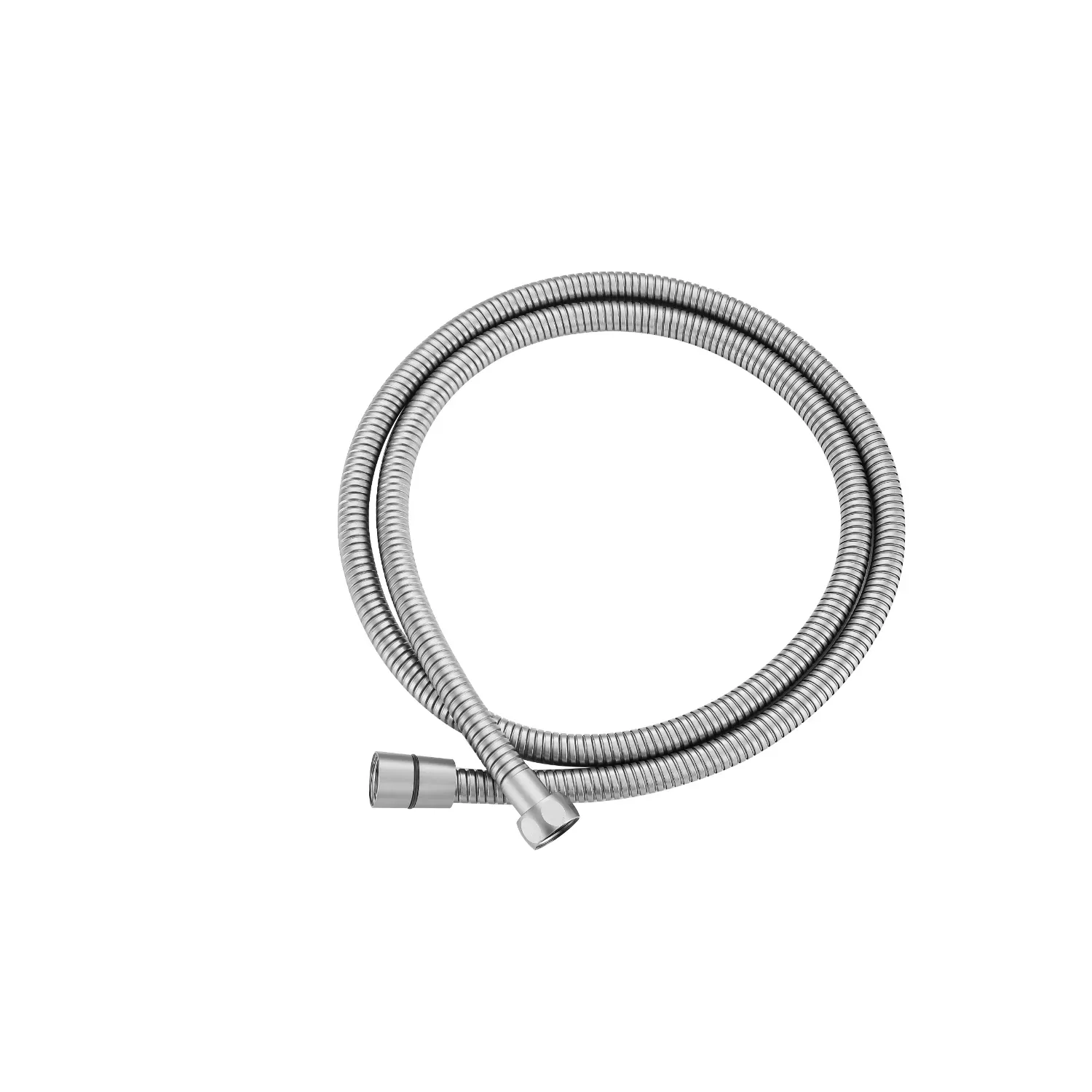
| Supply hose | Different length or end fitting | Installation reach, connection specification and documentation |
| Finish reference | Revised treatment or production source | Appearance, applicable evidence and care instructions |
| Packaging and supplied parts | New insert, label or accessory pack | Protection, identification and the contents promised to the buyer |
Use a short change request, not an informal substitution
A useful change request identifies the affected model, the current part, the proposed replacement and the reason. Ask the supplier to state which orders or batches would be affected and whether the proposal changes price, lead time, documentation or spare-parts support.
Then assign a decision: accepted, rejected or pending evaluation. Keep proposed changes separate from approved ones. If a substitute is approved only for a particular order, record that limit so it does not silently become the default on all future orders.
Consider an illustrative reorder where an aerator is temporarily unavailable. The supplier proposes another insert to maintain the shipment date. Instead of deciding on appearance alone, compare the required stream and flow conditions, review the available data and decide whether a sample check is needed. Record the approved part and affected order before production proceeds.
Three actions for your next repeat order
1. Reconfirm the revision at order acceptance
Put the approved specification reference on the purchase order and request acknowledgement. Ask the supplier to flag unavailable components or proposed alternatives before committing to the production plan. This is the point to resolve a material difference, not after the goods are packed.
2. Match the production check to the agreed configuration
Give the inspection team the current product sheet, approved sample reference and supplied-parts list. Agree how critical component identity will be verified, using suitable records or inspection methods. A surface photograph cannot confirm every internal part, and destructive checks should never be assumed without agreement.
3. Connect batch identification with after-sales support
Retain the purchase order, specification revision and batch or shipment reference together. If an approved change affects a service part, update the replacement-parts record. A support team should be able to identify the correct part for an earlier batch without assuming that today's configuration is identical.
Buyer questions
Does every proposed change require a completely new sample?
No universal rule fits every change. Decide the review and verification needed from its effect on fit, function, appearance, claims and service. Record why a document review is sufficient or why further evaluation is required.
Can a lower-cost component be acceptable?
Potentially, if it meets the agreed requirements and completes the necessary review. Evaluate the finished configuration and any supporting evidence. Price alone neither proves equivalence nor makes an alternative unsuitable.
Make the next quotation reproducible
Send PUREHIN the previous model and order reference, current specification revision, quantities by finish and required delivery schedule. List the components or features that must remain unchanged and identify any improvements you want evaluated. Use OEM Manufacturing to discuss the order configuration and Technical Documentation to request available supporting information.
Component references
Reviewed 25 November 2026. The change-control workflow is a purchasing recommendation; agree the actual requirements with the supplier for your order.
Neoperl — Water-saving technologies for aerators
Sedal — Technical data sheet 08SN35L4501
Explore the product references
Discuss the exact configuration and available documentation for your intended market.