OEM or ODM Faucets: Which Route Fits Your Brand?
Choose an OEM, ODM or private-label faucet route around the changes your brand needs. Define the design brief, sample stages and requirements before development.
You want a faucet range customers recognise as yours. The first decision is how much of the product needs to change. A catalogue model with your branding, an existing design with a specific adjustment and a new product concept need different development briefs.
Choosing the route early helps your team spend its time on the right decisions. Instead of opening with “we need OEM”, explain what is already decided and what you want to make different. That gives a manufacturer a practical starting point for feasibility, samples and quotation.
Match the route to the change you need
Suppliers may use OEM and ODM labels differently. Define the work itself: who provides the design, which details may change and what must be approved before production.
| Your starting point | Useful enquiry route | First decision to resolve |
|---|---|---|
| An existing model with your brand presentation | Private label | Logo placement, packaging and the selected product version |
| A defined drawing, sample or specification | OEM manufacturing | Whether the stated construction and requirements can be produced |
| A product idea with unresolved dimensions or functions | ODM development | What needs development and how feasibility will be evaluated |
These routes can overlap. A development project may eventually include branded packaging, while an existing model may need technical review before a requested adjustment is accepted. The label should help organise the conversation, not replace the specification.
When an existing model is a useful starting point
If the existing product already provides the function and installation you need, focus first on the changes customers will notice: finish direction, logo position, product naming and packaging presentation.
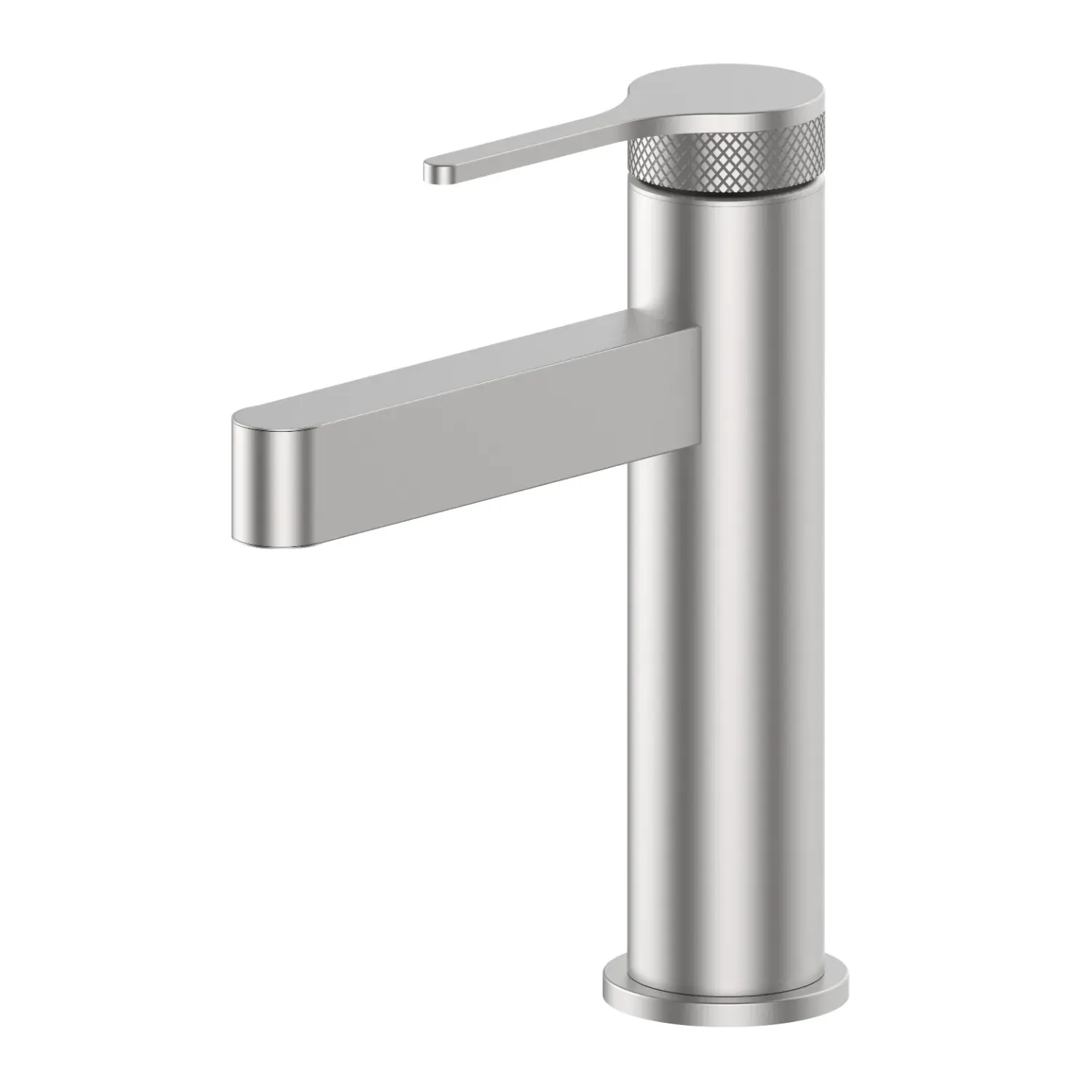
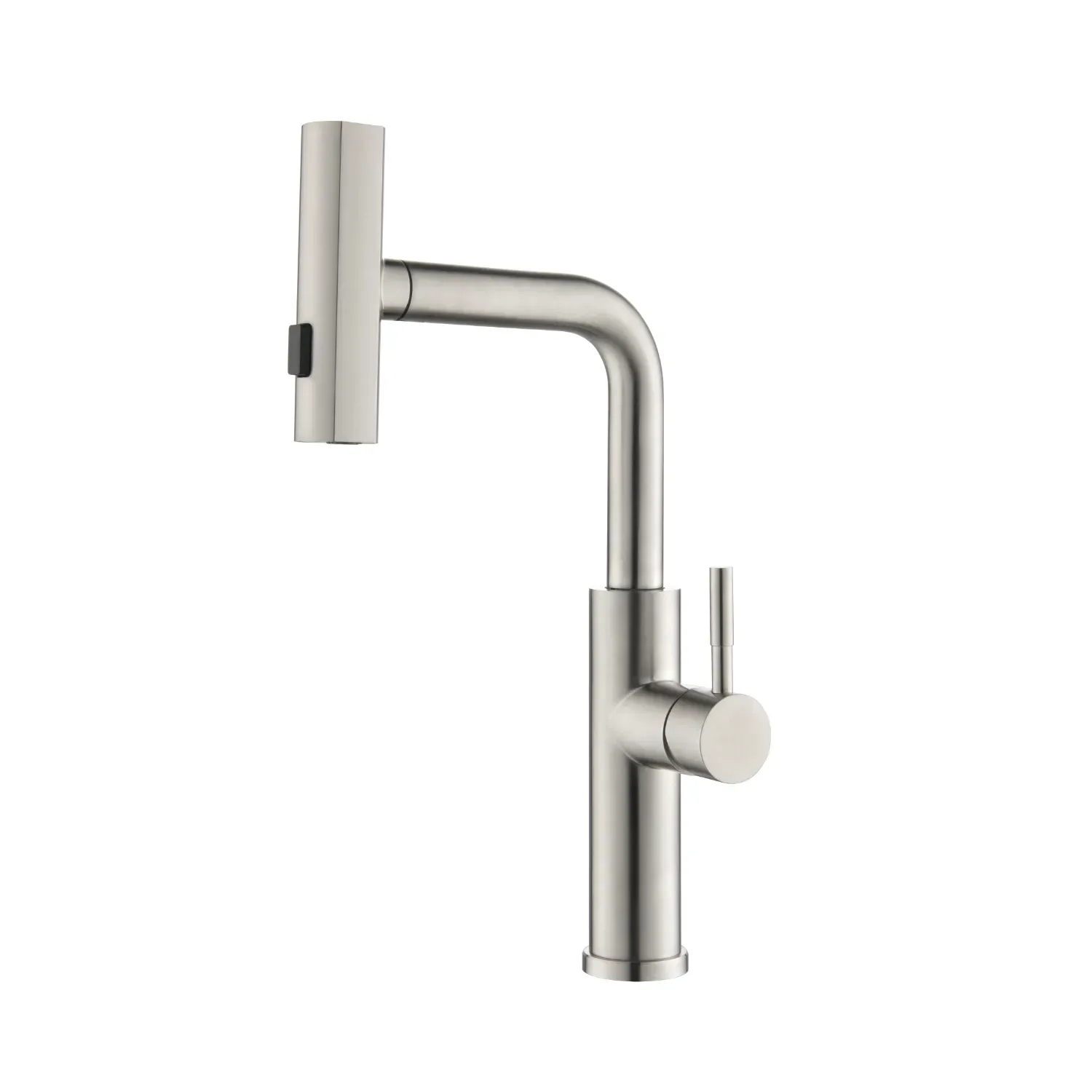
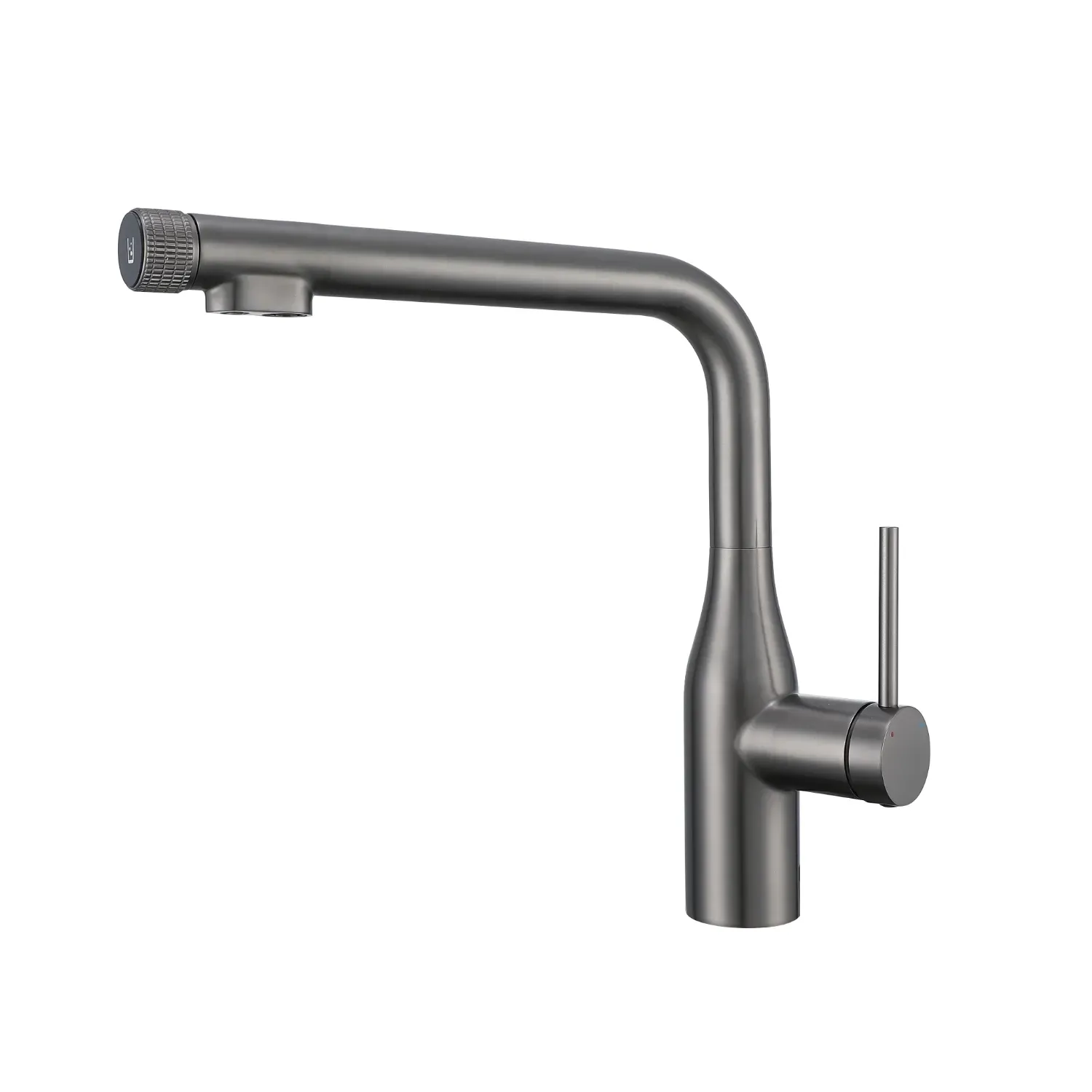
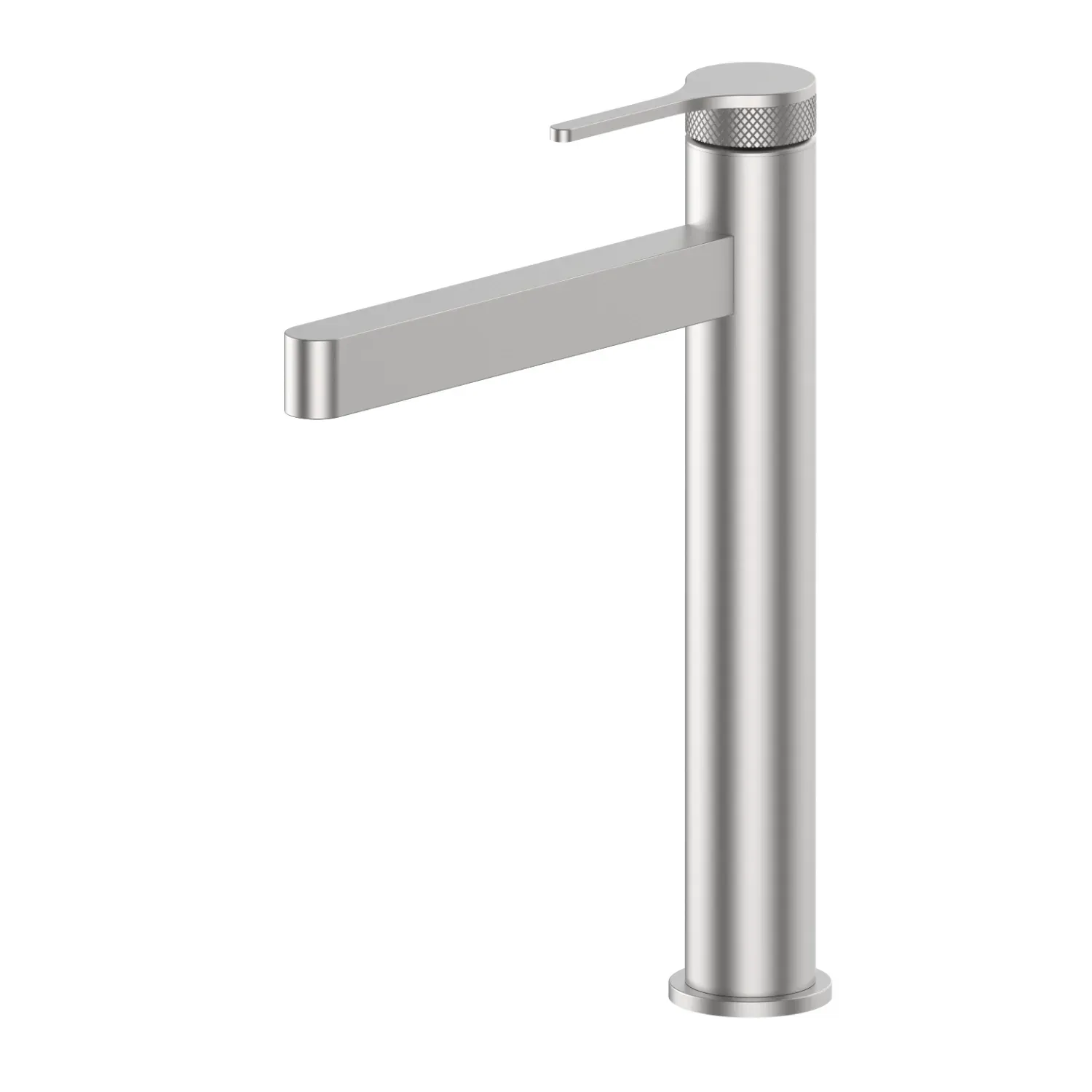
For a basin faucet collection, examine the standard-height and tall models together before requesting a new body design. The range may already contain the proportions you need. PUREHIN’s SF310101 and SF310201 provide two model references for that discussion; each still needs to be checked against the intended basin layout.
Start a private-label enquiry with the chosen models and explain which parts of the customer-facing presentation you want to customise. Ask which options are available for those exact models and how they affect the order quantity and sample scope.
When a product change needs development review
A longer spout, a different handle position or an additional water function is a product requirement, not just an artwork change. Even a small visible adjustment can require review of the structure, component arrangement or installation dimensions.
Separate your brief into three priorities. First, record the features the product must deliver. Next, list the dimensions or installation limits it must fit. Finally, describe appearance preferences that can be adjusted during development.
For example, “a slim basin mixer for a shallow countertop” leaves important questions open. A stronger brief identifies the basin reference, available mounting space, desired outlet position and the appearance you want to achieve. The supplier can then discuss a workable direction rather than guess what “slim” means.
Use ODM development when those product decisions are still open. A reference image can start the conversation, but it should not become the complete production specification.
Agree the deliverables before committing to development
Ask what the proposed development stage will produce: an initial feasibility response, a drawing for review, a prototype or a production-representative sample. These serve different purposes. A visual mock-up can help assess proportions; it does not, by itself, establish water performance or production readiness.
Clarify which charges cover which work, how revisions will be handled and what information your team must approve. Discuss any tooling, design-use or exclusivity requirements explicitly rather than assuming they follow automatically from the OEM or ODM label.
Set a review point before the next commitment. For example, approve the installation dimensions before discussing final packaging artwork. This keeps the project focused on decisions that could change the product, with presentation work following once the specification is stable.
Build a brief your team can actually approve
A useful first brief fits on one page. Include the product category, reference images you are entitled to share, target customer, intended market, essential function, installation constraints, finish direction, estimated quantity and desired launch timing.
State what you need back first. A sourcing manager may need feasibility and an indicative quotation. A product designer may need a dimensioned proposal. A purchasing team may need a sample plan before agreeing the bulk specification. PUREHIN’s OEM manufacturing and development routes give those different starting points a clear place to go.
Buyer questions
Do I need complete technical drawings to begin?
No. A sketch, product reference and clear explanation of the intended use can begin a development discussion. The missing dimensions and functional requirements still need to be resolved before a final production specification is approved.
Does adding my logo make a design exclusive?
Do not assume so. Branding, design rights and exclusivity are separate matters. If exclusivity is part of your project, raise the requested scope and obtain specific written terms before relying on it.
Discuss the next product in your range
Send PUREHIN the reference you have and a short list of what should stay the same and what should change. Include your intended market and estimated quantity. Ask which existing models or development steps could address the brief, and what is needed for the next quotation or sample decision.