First Wholesale Faucet Order: Models, Finishes and MOQ
Plan your first wholesale faucet order with a focused model mix, quantities by finish and clear MOQ questions. Build a practical shortlist for samples and pricing.
A first wholesale faucet order has to do two jobs: give customers a useful choice and give you a clear picture of what is worth reordering. An attractive catalogue is only a starting point. Every extra model, finish and mounting option creates another stock line to price, display and replenish.
For an importer, distributor or showroom, the most useful first quotation starts with a focused assortment. Define the role of each product, put a quantity against each version, and ask the supplier to explain the order conditions at that level. You will learn more from this than from a price list with no quantities attached.
Give each model a reason to be in the order
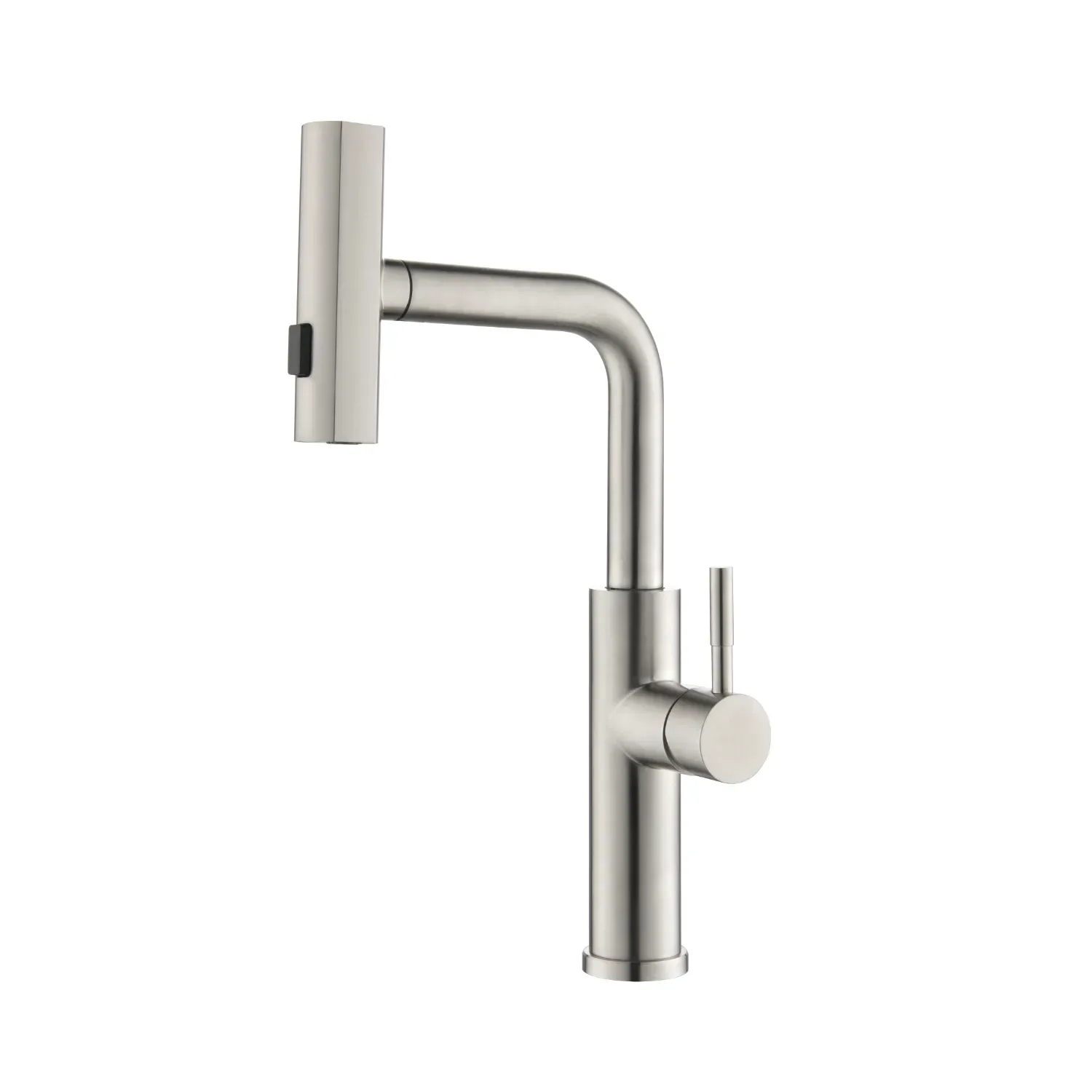
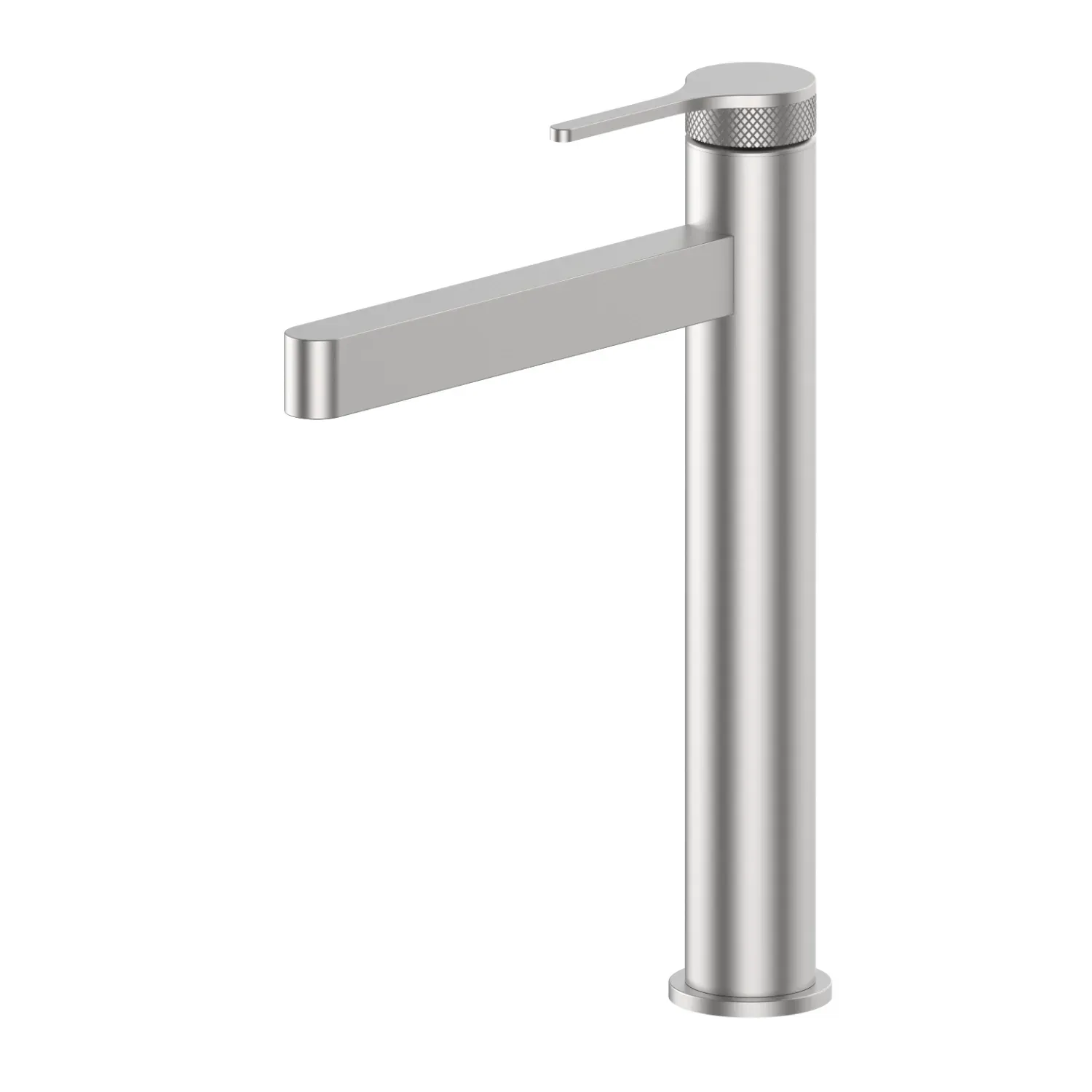
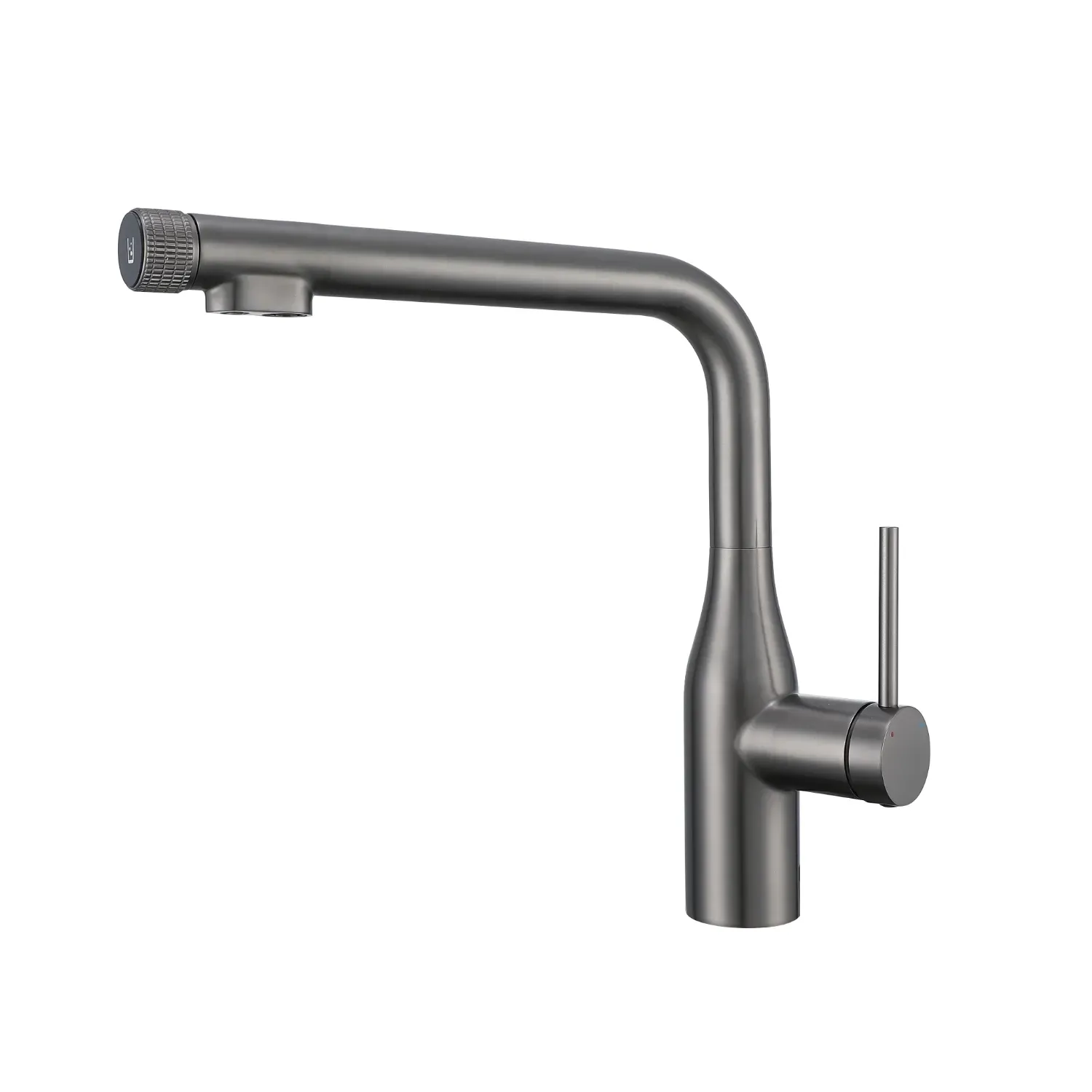
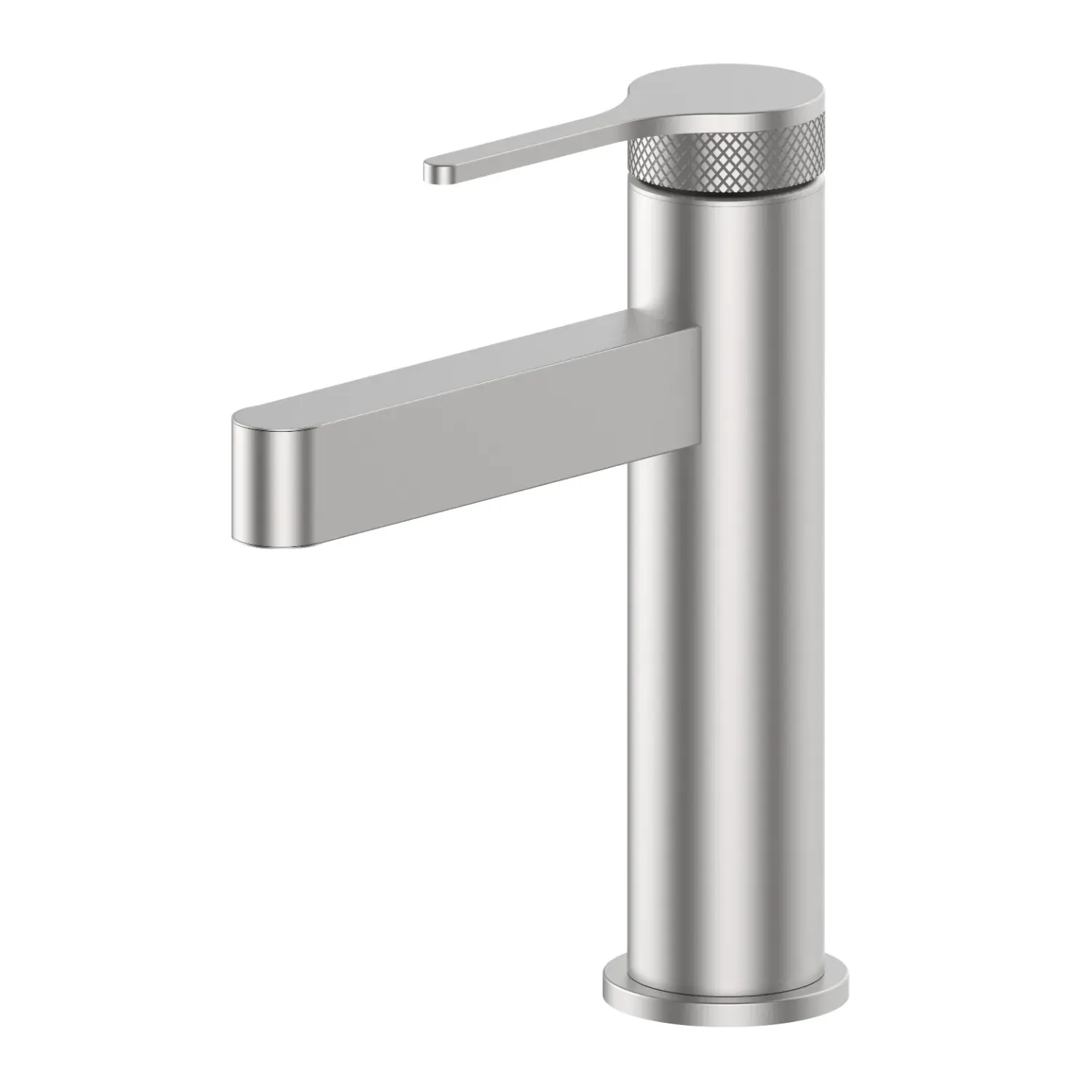
Start with the customers and installations you already serve. A standard basin faucet may suit your main bathroom range; a tall version serves a different basin arrangement. A pull-out kitchen faucet adds cleaning reach, while a 3-way filter faucet addresses a separate filtered-water requirement. These are meaningful choices that your sales team can explain.
Avoid counting two similar-looking products as two different selling opportunities until you can describe the difference. Ask: which buyer would choose this model, and why would they choose it over the other one? If the answer is only “another shape,” decide whether that extra stock line earns its place in the opening order.
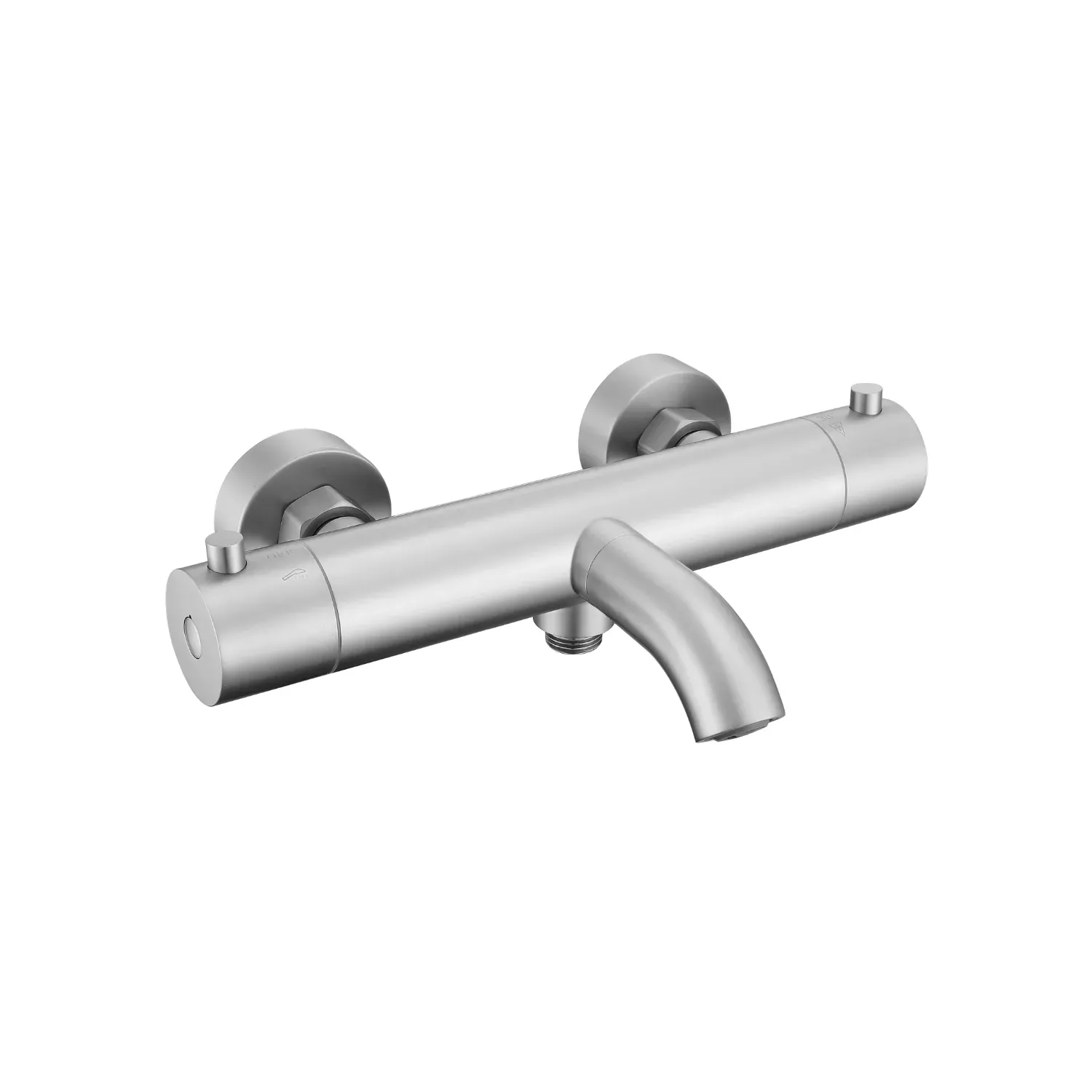
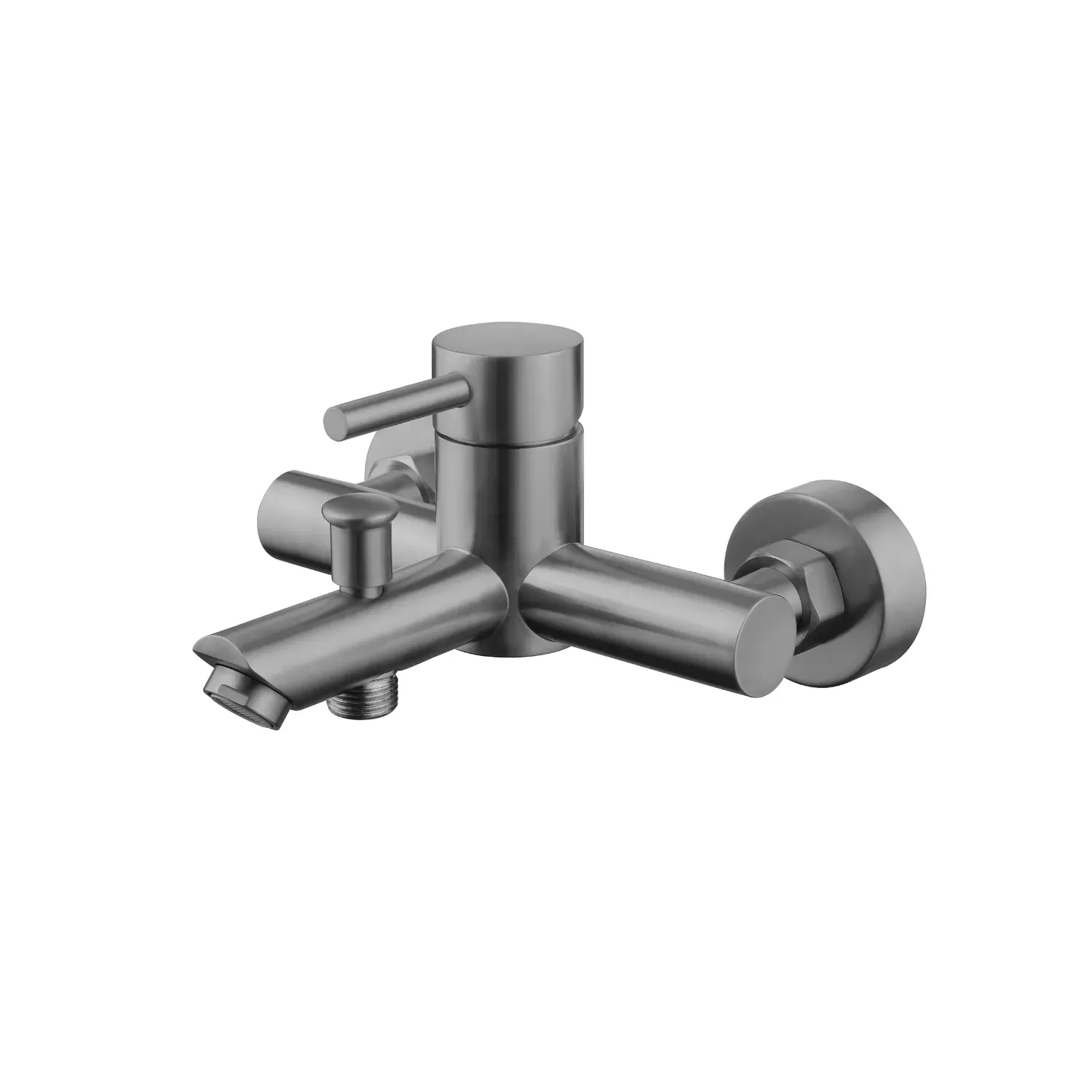
For a practical starting comparison, review the standard and tall basin faucet guide, then shortlist models from the Faucet range. Use confirmed product details when building your own catalogue descriptions.
Put MOQ against the version you will actually buy
Ask whether the minimum order applies to a model, a finish, a branded package or a combination of these. “300 faucets” does not describe the same order as “300 units of one model in one finish.” Mixing models may change both production planning and the quotation.
Consider this illustrative assortment: three models, two finishes for each model and 300 units in total. An equal split gives six stock lines of 50 units. If a quoted minimum applies to each model-and-finish combination, the relevant quantity is 50, not 300. This is an example of the calculation, not a statement of PUREHIN’s minimum order.
Use a simple enquiry sheet with these columns:
| Model or reference | Finish | Opening quantity | Packaging | Expected reorder |
|---|---|---|---|---|
| Your first-choice model | Exact finish name | Units for this version | Standard or branded | Estimate, if known |
| Alternative model | Exact finish name | Units for this version | Standard or branded | Estimate, if known |
Ask for the applicable minimum, price and lead time on each line. If the proposed mix does not fit, request a revised assortment and compare the trade-off before increasing quantities.
Separate essential choices from launch options
A broad colour range can be attractive, but every finish needs its own demand assumption. Identify the finish your customers already buy, then decide which additional finish has a clear place in your launch. A photograph is useful for shortlisting; use physical samples when the visual match matters across a bathroom display.
Keep packaging decisions equally specific. A standard box, a printed brand box and a complete retail presentation are different requests. State what you need for the first shipment and what could follow on a reorder. This allows the supplier to quote the actual work instead of guessing how much branding is included.
For logo and packaging discussions, use Private Label support. Ask for the available options and their separate order conditions; do not assume a branded package carries the same minimum as the product itself.
Approve a selling configuration, not just a photograph
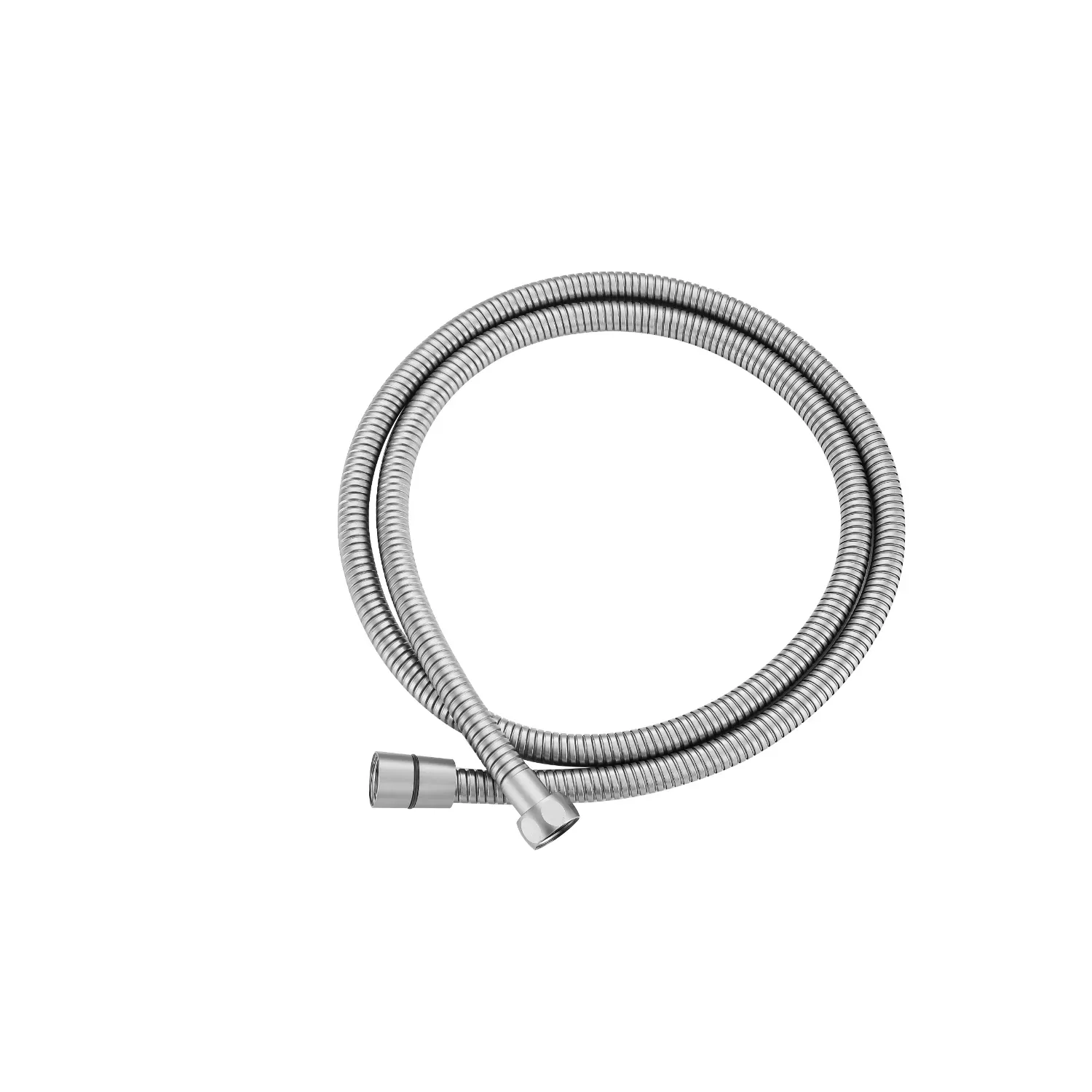
The sample should represent the version you intend to sell: model, finish, operating function, connections and supplied accessories. Match it to the basin or sink arrangement your customers use. Check the handle movement, outlet position and installation information before approving your product listing.
Record any requested change in writing. If the approved sample uses one hose, package or finish reference and the quotation lists another, resolve that difference before the order. Keep the approved sample reference and the final quotation together so a reorder can be compared against the same specification.
Plan the reorder while the first quote is open
Ask what information the supplier needs to repeat the order and how changes will be communicated. Keep your own SKU, the supplier model, finish, packaging version and approved sample reference connected in one record.
You do not need to predict exact sales. A realistic estimate of which models are core and which are trial additions is more useful than presenting all quantities as equally certain. Request lead-time information for both the opening order and a possible replenishment, without treating an estimate as a delivery commitment.
Questions buyers ask before a first order
Can I mix several faucet models and finishes?
Ask for the proposed mix to be reviewed line by line. The total order quantity alone does not establish whether each model, finish or packaging option meets its applicable order conditions.
Should I request the lowest price immediately?
First make the quotes comparable: same model, finish, components, accessories, packaging and delivery basis. Then ask which quantity or specification changes would affect the price. A cheaper quote is difficult to assess when its supply scope is unclear.
Request a quotation for your opening assortment
Send PUREHIN your shortlisted models or reference pictures, quantities by finish, destination country and packaging preference. Add your selling channel—distribution, showroom, retail or your own brand—and identify the products you expect to reorder.
If the assortment is still open, send your two or three priority product types and target quantities. Ask for a model shortlist, sample options and a line-by-line quotation so you can decide what belongs in the first order.