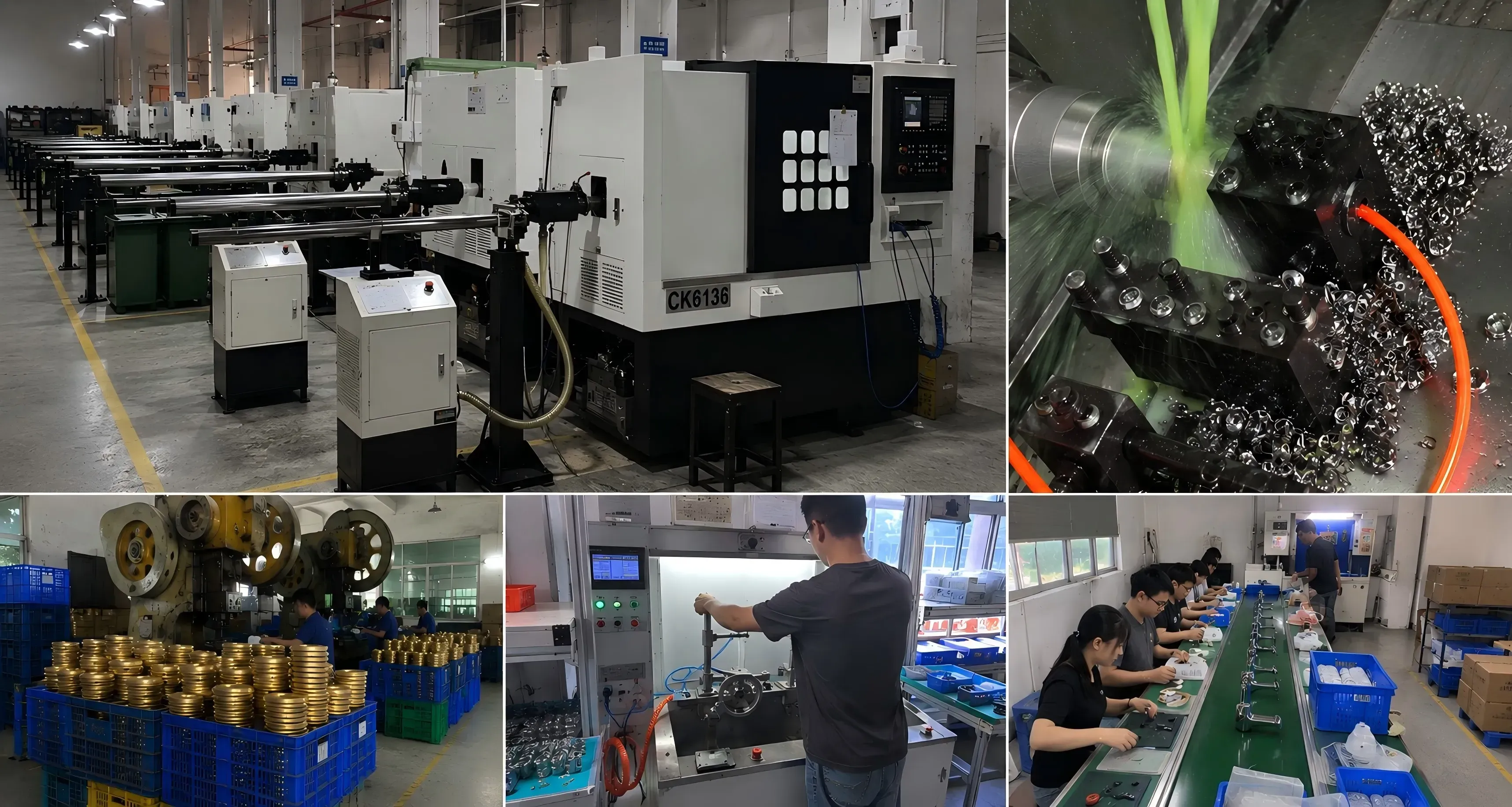
Faucet Test Reports: Does the Evidence Match Your Order?
Review faucet test reports against the exact model, components and claims in your order. Check laboratory scope and resolve gaps before approving production.
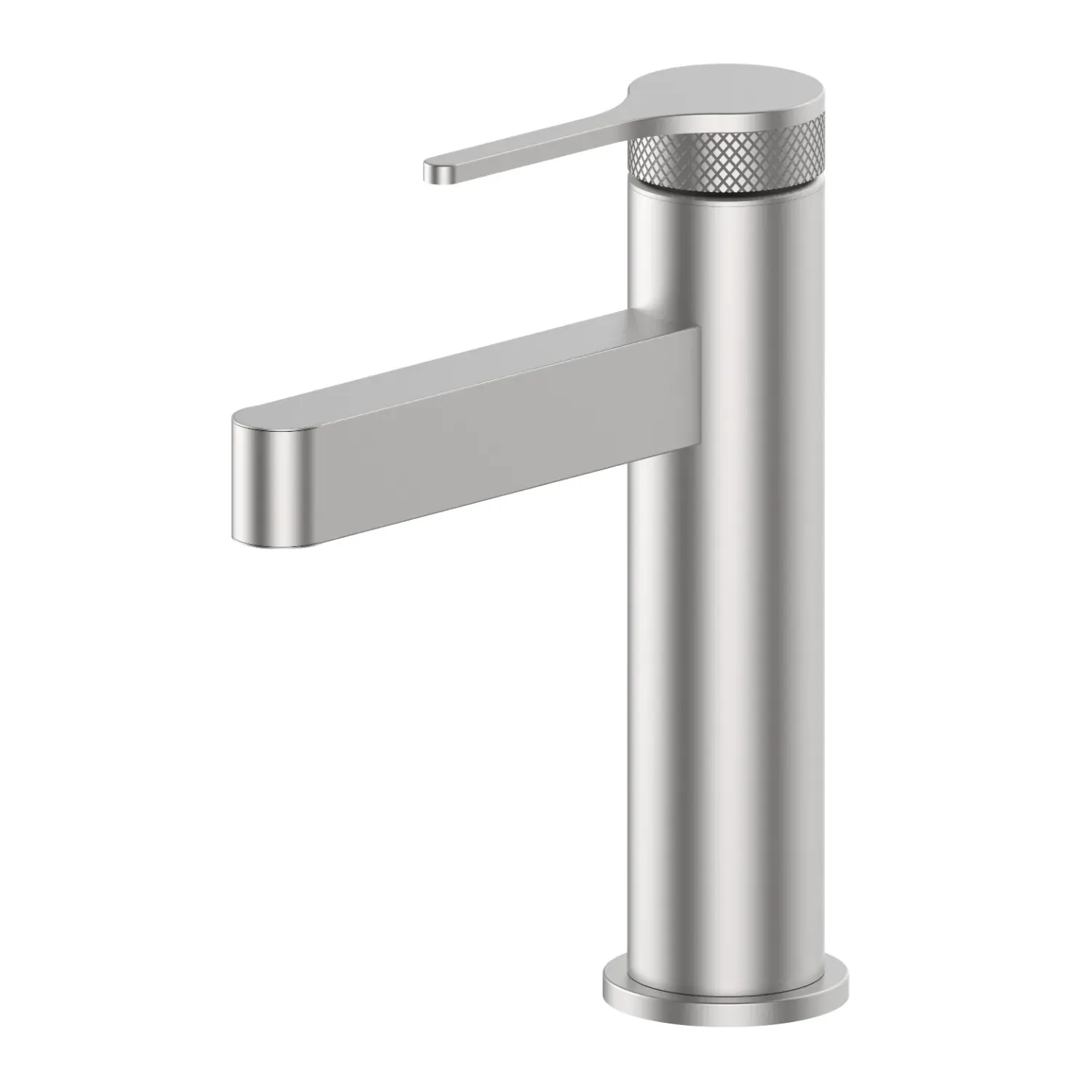
A test report can be genuine and still leave an important question unanswered: does it describe the faucet you are buying? A different cartridge, hose, material or product revision can make the relationship between the tested sample and the purchase order unclear.
For importers and private-label brands, the useful review starts with that relationship. Identify the product, the claim you need to support and the test behind it. Then check the issuing organisation and the acceptance requirements for the destination market. The aim is to resolve specific gaps before an order, rather than collect the largest number of PDFs.
Start with the claim you want to verify
“Quality tested” is too broad to guide a purchasing decision. A report may address a particular mechanical property, surface test, flow measurement or material-related requirement. Record the actual test method, conditions and conclusion. Do not extend a result to a different property simply because the same faucet appears on the cover.
For example, a surface-corrosion test should be evaluated against the specified finish and test conditions. It does not, by itself, answer questions about the product's water-contact hygiene or confirm how its control mechanism performs. This is a practical way to organise evidence, not a statement that every market requires the same test package.
Match the sample to the proposed configuration
Ask for the complete report, including sample identification, photographs where provided, results and any annexes or limitations. Compare these with the quotation and drawing. Where the manufacturer's internal code differs from your sales model, request a written mapping that explains the relationship.
Imagine that the sample description lists cartridge A, while the new quotation proposes cartridge B. Flag that difference and ask whether the result remains applicable and on what basis. Do not silently treat it as the same sample, but do not assume every component change automatically invalidates every test. The issuer or relevant assessment body should clarify the effect on the evidence concerned.
| Report item | Compare it with | Follow up when |
|---|---|---|
| Sample model and photographs | Sales model and drawing | Codes or visible construction do not match |
| Material and component description | Proposed bill of materials | An alternative part is offered |
| Test method and conditions | Purchase specification | The tested property differs from the requested claim |
| Report number, date and issuer | Issuer's records | Authenticity or completeness is unclear |
| Scope and limitations | Intended market and application | The document is being used beyond its stated coverage |
Check the laboratory's relevant scope
ANAB explains that a laboratory's scope of accreditation identifies its specific test or calibration capabilities. That is why a general accreditation claim is not enough: check the scope relevant to the work shown in the report.
European Accreditation also recommends checking the accreditation mark, the body's recognition, the relevant testing competence and whether the method is accepted in the destination country. Use the accreditation body's official directory or contact it when something is unclear. An impressive-looking logo should start a verification step rather than end it.
Keep laboratory accreditation, a test result and a product certification scheme distinct in your document register. Each serves a different purpose. Ask which evidence your importer, regulator or customer actually needs instead of describing every PDF as a product certificate.
Three actions before approving the order
1. Build a claim-to-document list
Write one row for each required claim, followed by its supporting report or certificate, exact model and unresolved question. For example: “flow requirement — report number — tested configuration — pressure conditions to confirm.” This turns a vague document request into a short review task.
2. Resolve mismatches in writing
Send the supplier the specific page, model code or component difference. Request a corrected specification, issuer clarification or additional evaluation as appropriate. Keep the response with the original document so another buyer can understand the decision later.
3. Carry the approved reference into production
Attach the agreed model and component revision to the purchase order. Ask the supplier to notify you before substitutions, and make that reference available to the inspection team. The purchasing file should connect the sample, evidence and goods you expect to receive.
Buyer questions
Does an older report automatically need replacing?
The date alone does not settle the question. Check applicable scheme rules, product changes, test-method changes and any stated validity or limitations. Ask the relevant issuer or adviser whether the report remains suitable for the current purpose.
Can a report for one finish cover the other colours?
Ask for the stated scope and a technical basis for any extension. A finish difference may matter to a surface test or material assessment, while another test may address a different aspect of the product. Avoid assuming that a shared series name proves identical coverage.
Request documents for a defined PUREHIN model
Send your selected faucet, finish, target market and the claims or tests your customer requires. Ask which documents are available, which configuration they identify and what additional work would need to be agreed. Technical Documentation and Sample Development provide relevant starting points. Include your quantity so product pricing and the proposed evaluation scope can be discussed together.
Reference guidance
European Accreditation — Checking a certificate or test report
ANAB — Scope of accreditation and laboratory accreditation FAQs
Explore the product references
Discuss the exact configuration and available documentation for your intended market.