Faucet Spare Parts: What to Agree Before a Bulk Order
Plan faucet spare-parts support before a bulk order. Check model identification, component compatibility, service stock and the terms to include in your enquiry.
When a customer needs a replacement part, a photograph of a similar-looking faucet is rarely the information your service team wants to rely on. They need to know which product was supplied, which version it was, and which part is confirmed to fit it.
For importers and private-label brands, the right time to organise that information is while the bulk order is being specified. A clear spare-parts discussion gives your purchasing and service teams a common reference. It also lets you compare support arrangements alongside product price, finish and packaging.
Connect your own SKU to the supplier’s model
Your retail product name may be completely different from the supplier’s model number. Keep both, together with the finish, order reference, approved configuration and any relevant revision. A customer-facing name such as “Round Basin Mixer” is too broad to identify a particular assembly over several orders.
Ask for the available parts list or exploded drawing for the selected model. Connect each serviceable component to its part reference where one is provided. The useful record links the complete product to the component; a loose photograph of a cartridge or hose does not provide that link by itself.
If a product configuration changes between orders, ask how the change will be identified and whether it affects spare-part compatibility. Keep the earlier order information rather than replacing it with the latest drawing and losing the reference for products already sold.
Match the complete part, not one dimension
For a cartridge, a matching outside diameter alone does not establish compatibility with the faucet. The operating arrangement and the way the component connects to the body and handle also matter. Ask the supplier to confirm the replacement against the exact product and its supplied configuration.
The same discipline applies to visible and flexible components:
| Component | Information to confirm for the actual model |
|---|---|
| Cartridge or control component | Part reference, compatible product version and replacement instructions |
| Aerator or outlet insert | Fitting arrangement, dimensions and the intended outlet performance |
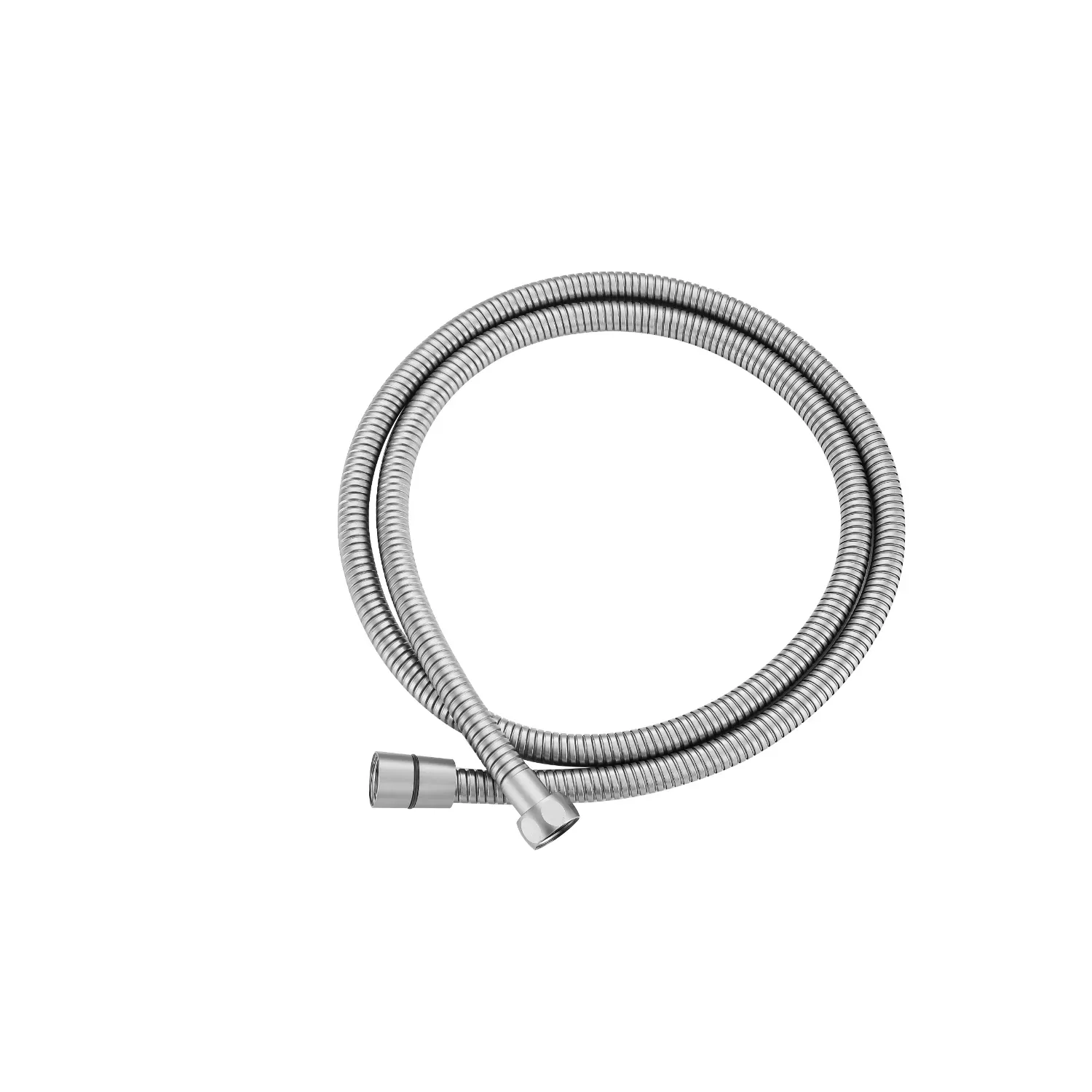
| Flexible or pull-out hose | Both end connections, length, routing and compatibility with the supplied assembly |
| Handle or decorative trim | Attachment details, dimensions and finish reference |
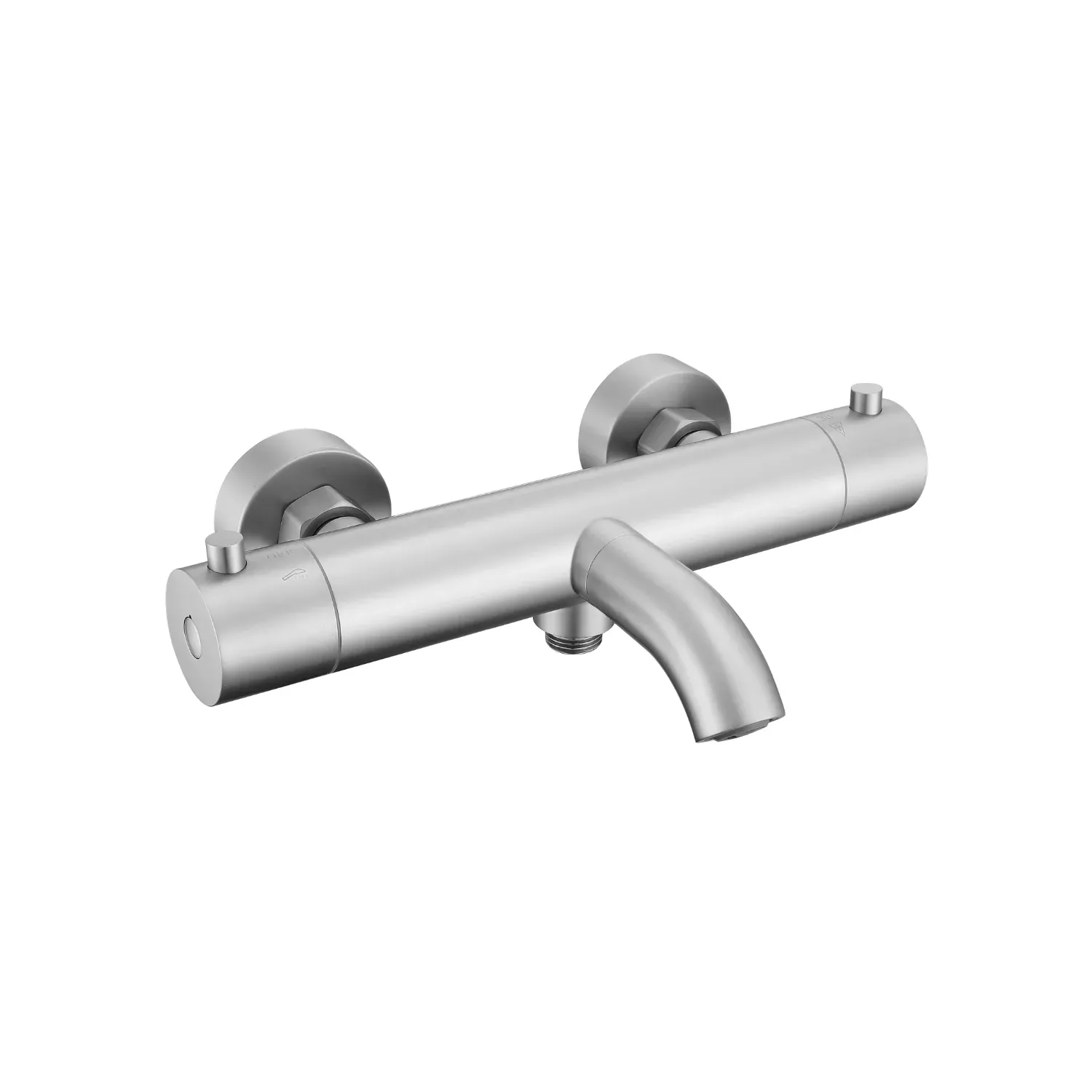
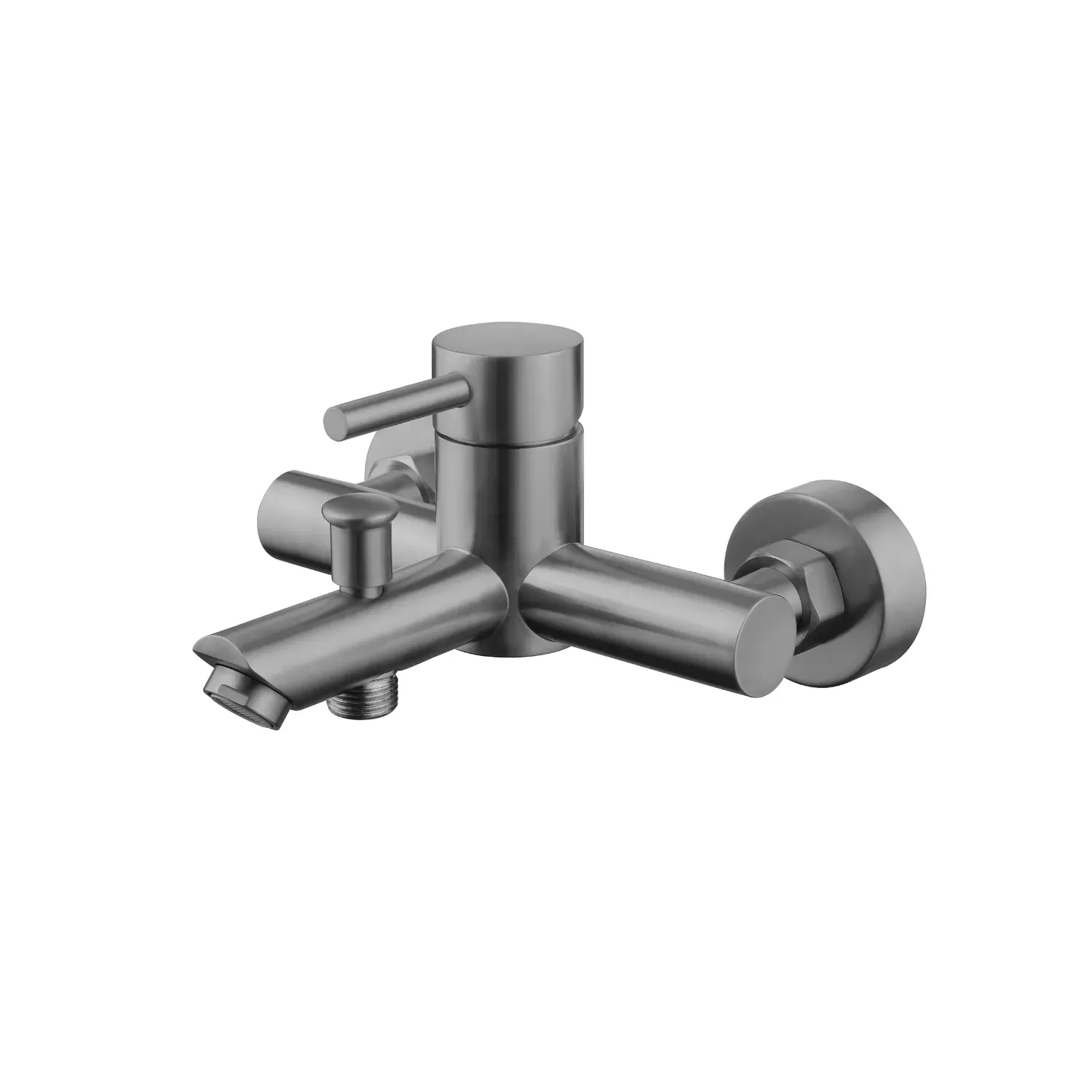
| Shower hose or holder | Connection or retention details and compatibility with the chosen shower arrangement |
Treat similar appearance as a reason to ask a question, not as approval to substitute. If the required part is unavailable, request a documented alternative and have suitability reviewed before supplying it to a customer.
Build a practical support package for the opening order
Ask which components can be supplied separately and which are available only as a larger assembly. Then identify the parts your service team would realistically use. A small, clearly identified selection can be more useful than an unlabelled bag of assorted fittings.
There is no universal spare quantity that fits every product range. Review the installed or expected sales volume, replenishment time, local service arrangements and the supplier’s product-specific advice. Separate parts requested for service stock from complete products held for immediate replacement.
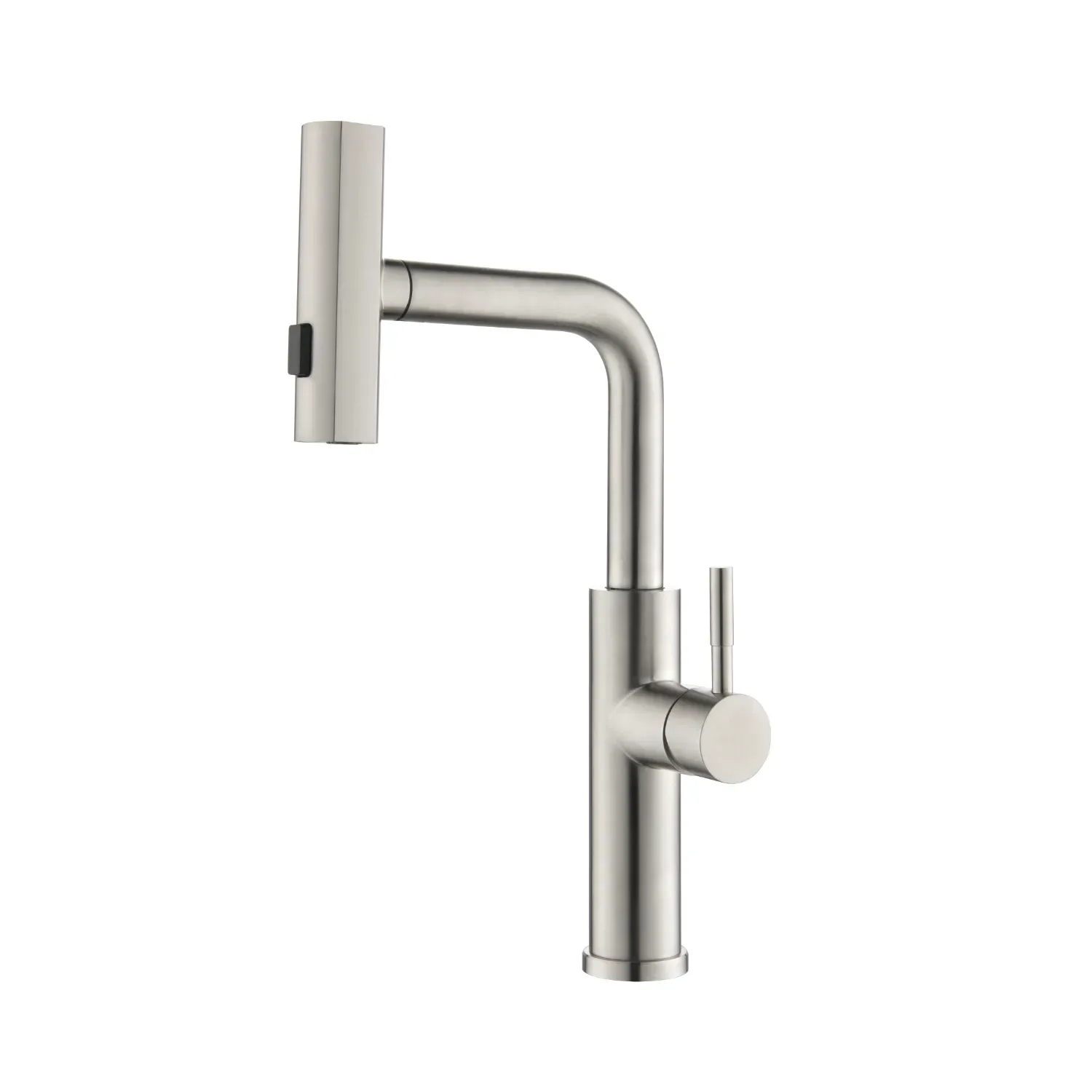
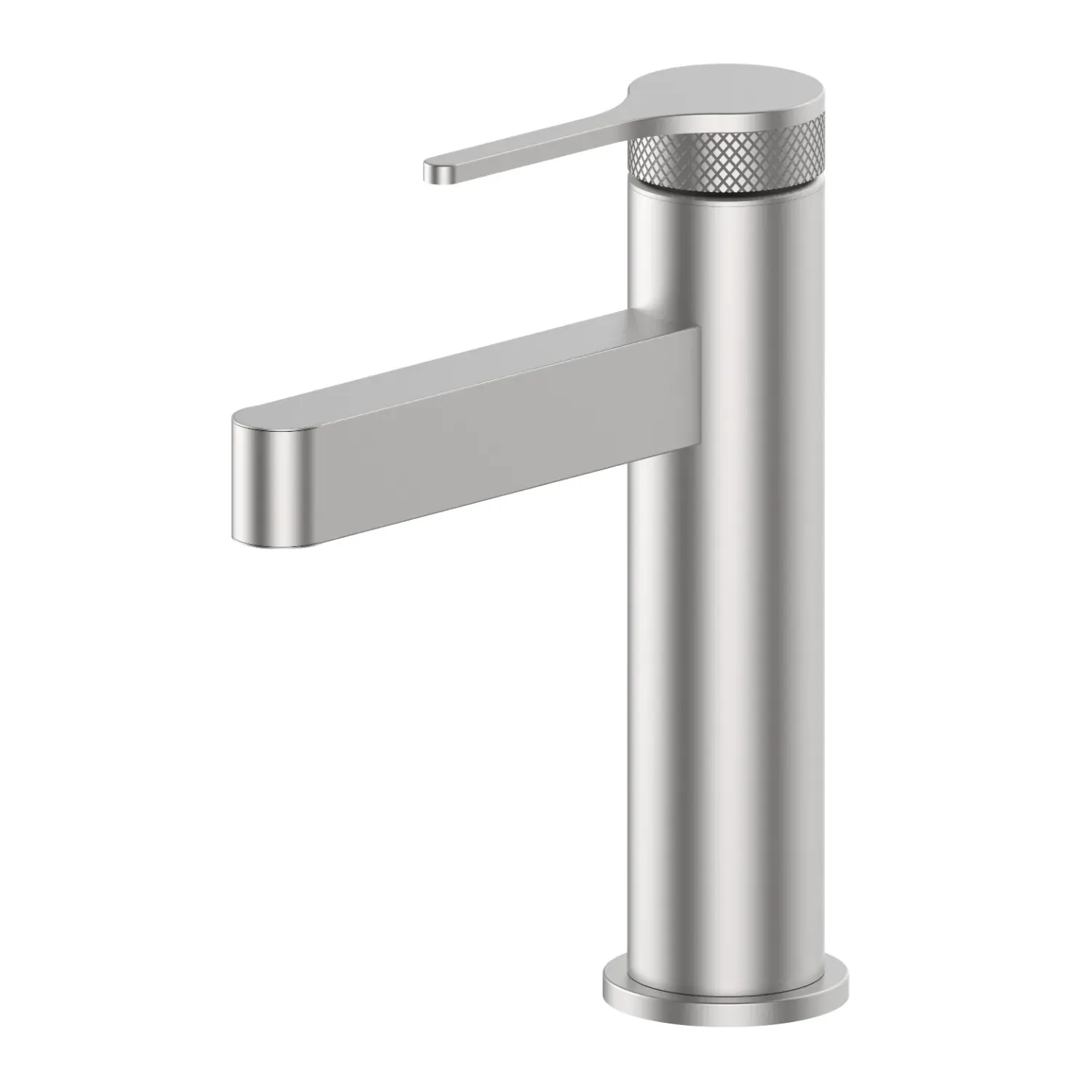
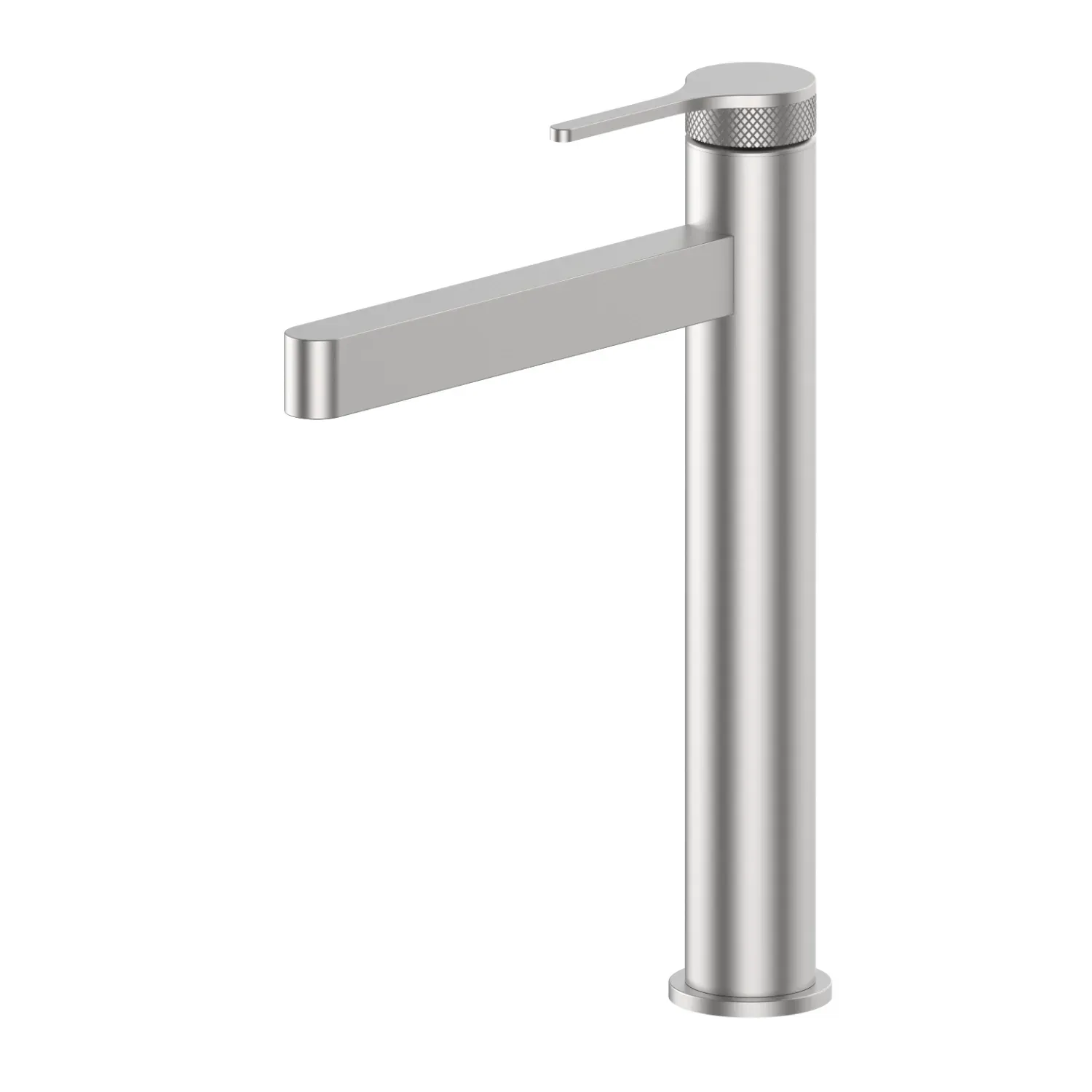
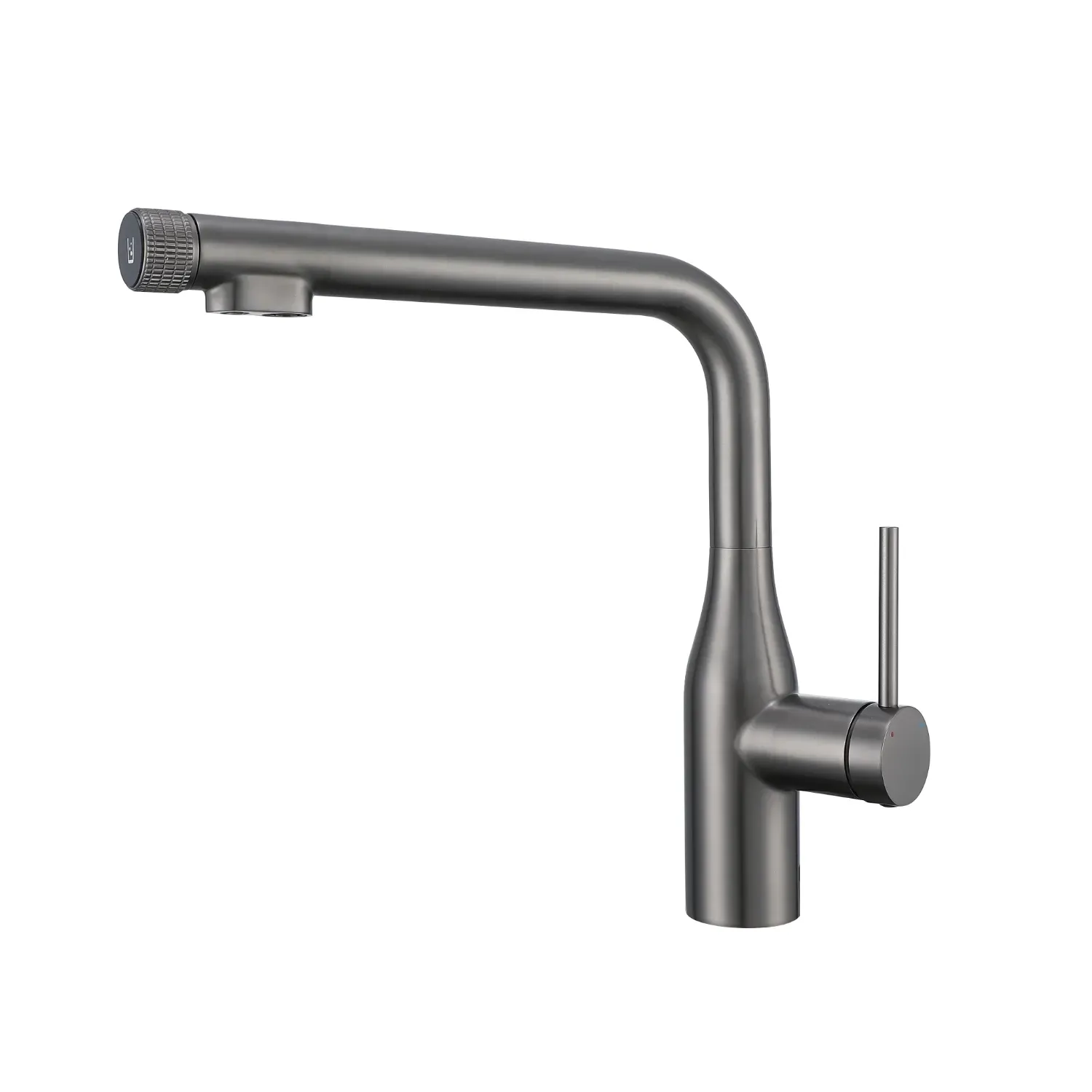
When comparing a standard basin faucet with a pull-out kitchen faucet, review their actual assemblies separately. A pull-out hose and spray-head arrangement creates different identification needs from a fixed outlet. Do not copy the same spare-parts list across unrelated products simply because they share a finish.
Put availability and commercial terms in writing
Ask for the price, minimum quantity and estimated replenishment time for the selected parts. Clarify whether any initial service stock is included in the product quotation or charged separately, and how later orders will be handled.
Ask about the support period offered for the selected model and what happens if a component is revised or discontinued. A statement that a product has a warranty does not, by itself, tell you which loose parts can be ordered, how quickly they can be supplied or who handles a replacement request. Record those answers separately for your own after-sales process.
If visible replacement parts are involved, include the finish reference in the discussion. Keep an approved physical reference where appearance is important, and ask how a later replacement should be assessed against the product already installed.
Make a future service enquiry easy to investigate
Prepare a short information checklist for your sales or service team. Ask for the model or customer SKU, order reference, photographs of the complete product and the affected area, and a clear description of what happens during use. A short video can help explain a symptom that is difficult to describe.
The purpose is to identify the correct product and problem before deciding which part is needed. A reported leak or operating issue does not automatically identify the failed component. Installation, maintenance and replacement work should follow the relevant product instructions and be handled by an appropriately qualified person where required.
Keep the confirmed part reference and resolution with the original order record. The next person answering a customer should be able to use the same information rather than start the identification process again.
Questions from importers and brands
Are spare parts interchangeable across one faucet collection?
Do not assume so. Models can share an external design while using different internal or connecting components. Request compatibility information for the particular products and versions you plan to stock.
Should spare parts be included in my first RFQ?
Yes, if local after-sales support is part of your offer. Ask for available parts, identification documents and the commercial terms alongside the finished products. You can then decide the support stock after reviewing the quotation and sample configuration.
Request product and spare-parts details together
Send PUREHIN the faucet or shower models you are considering, order quantities, destination market and how you plan to provide local service. Ask which components are available separately, what identification documents can be provided, and how initial and repeat spare-parts orders would be quoted.
Use Technical Documentation support for model and drawing enquiries, or include the service requirements in your OEM Manufacturing enquiry. For an existing PUREHIN order, include the order reference and product photographs so the enquiry can be matched to the supplied configuration.