G1/2 or NPT? Check Faucet and Shower Connections
Check G1/2, BSPP and NPT connections before ordering faucets or showers. Define mating parts, seals and supplied accessories for a useful sample review.
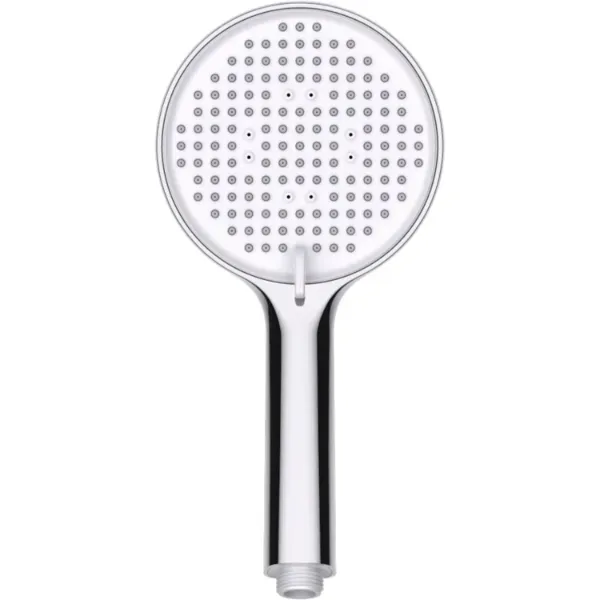
A shower head can look right in a catalogue and still be wrong for the fitting already on site. For an importer, the expensive part of a connection mismatch is often the work around it: finding adapters, changing installation instructions, holding stock or answering complaints after delivery.
The purchasing brief should identify both sides of each connection before the sample is approved. “Half-inch connection” is a starting point, not a complete specification. Use this guide to turn a general compatibility question into a drawing, sample and quotation request that a supplier can answer.
Specify the thread family, not only the size
G1/2 identifies a parallel pipe thread in the ISO 228-1 family, commonly called BSPP. NPT is a different, tapered thread system. Swagelok's identification guide distinguishes thread families by features including parallel or tapered form, diameter, pitch and profile. The same nominal size does not establish interchangeability.
Parker's fitting guide also separates the thread from the sealing arrangement: its BSPP examples use a gasket or sealing washer, while its tapered connections use a different sealing approach. The practical buying lesson is to request the complete end-connection detail, including its intended seal. These industrial references explain terminology; they do not approve a particular bathroom assembly.
Avoid deciding compatibility from a photograph of two similar-looking ends. A fitting that starts to screw into another is not evidence that the combination is correct. Have the installer or technical supplier identify an uncertain existing connection before selecting the replacement.
Make a connection schedule for the supplied set
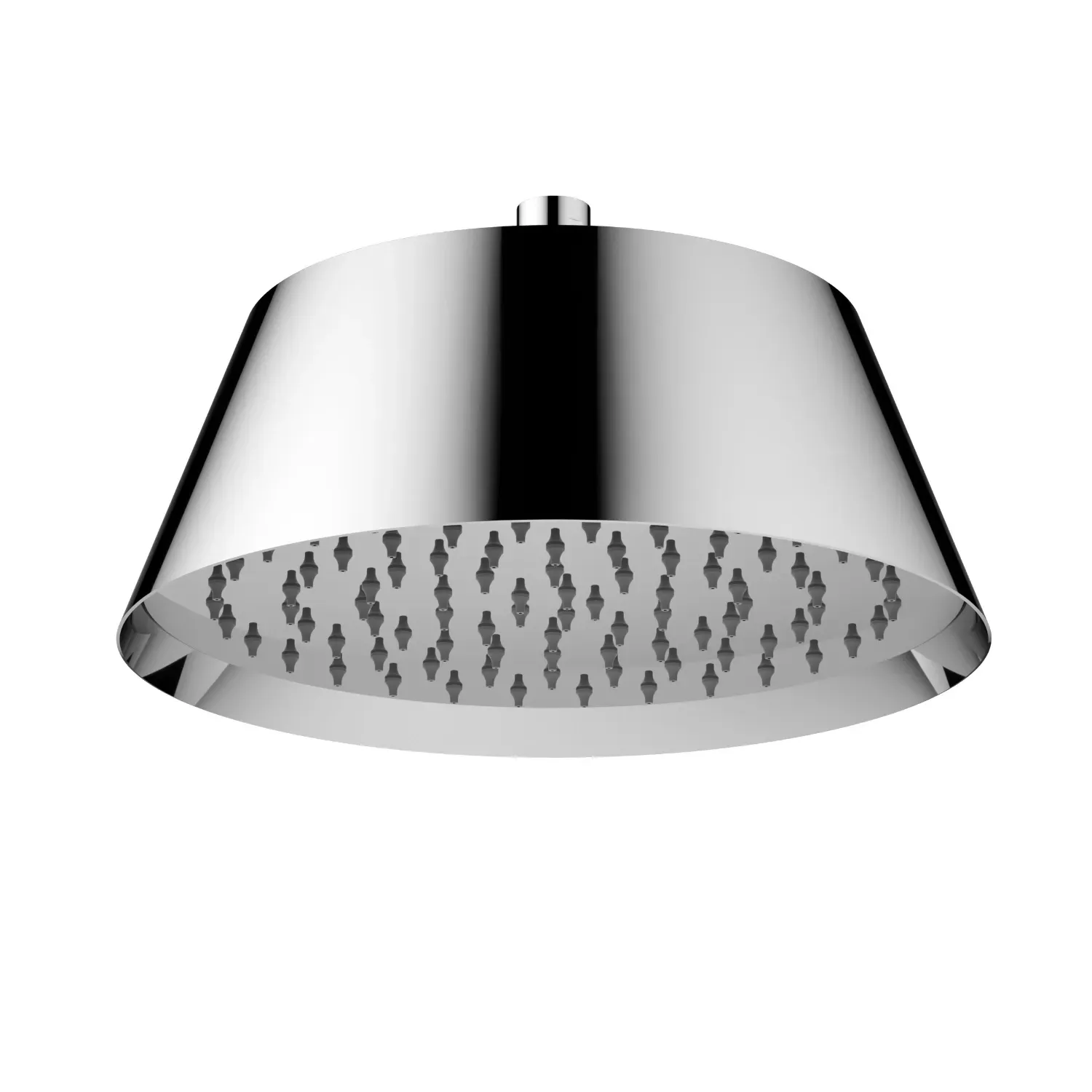
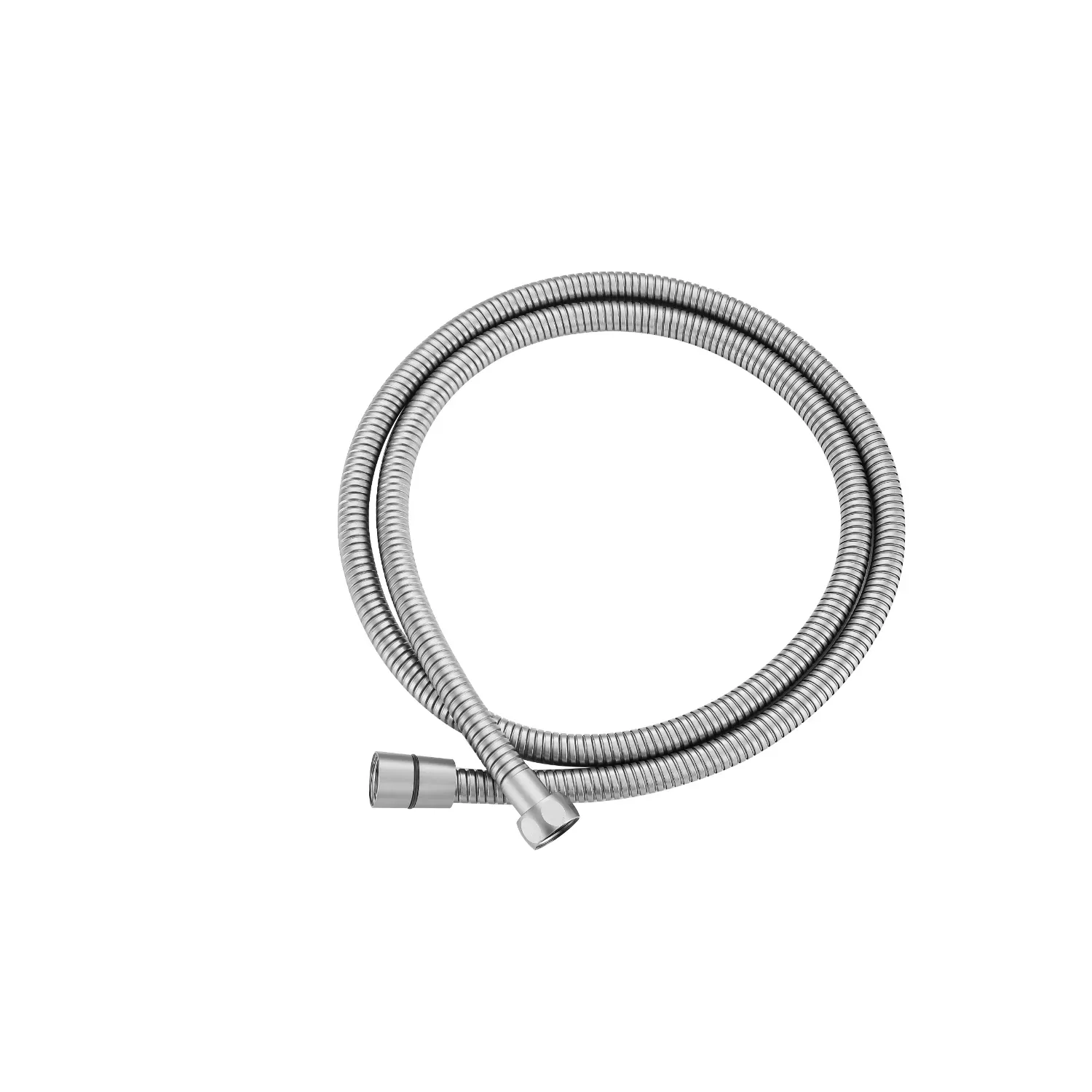
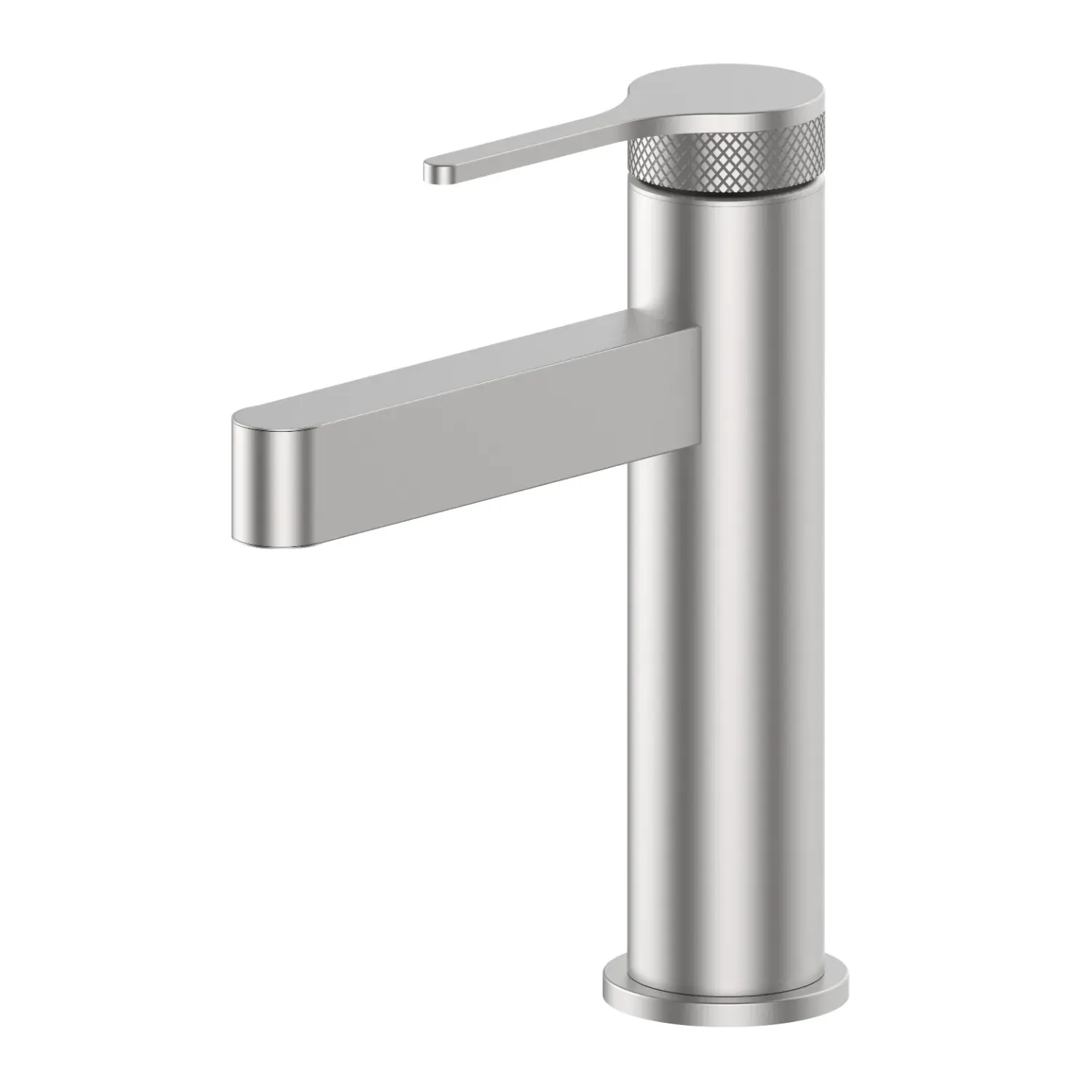
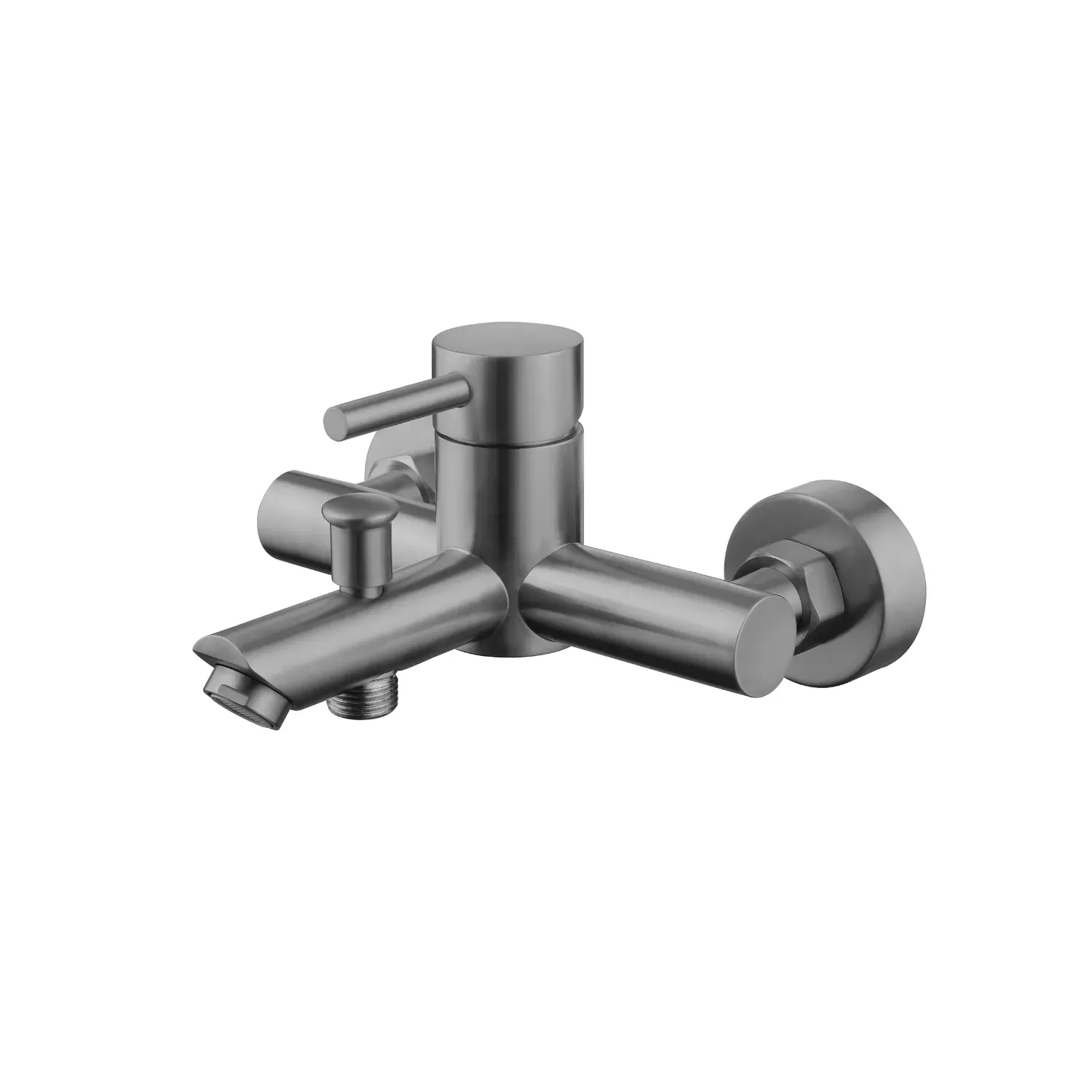
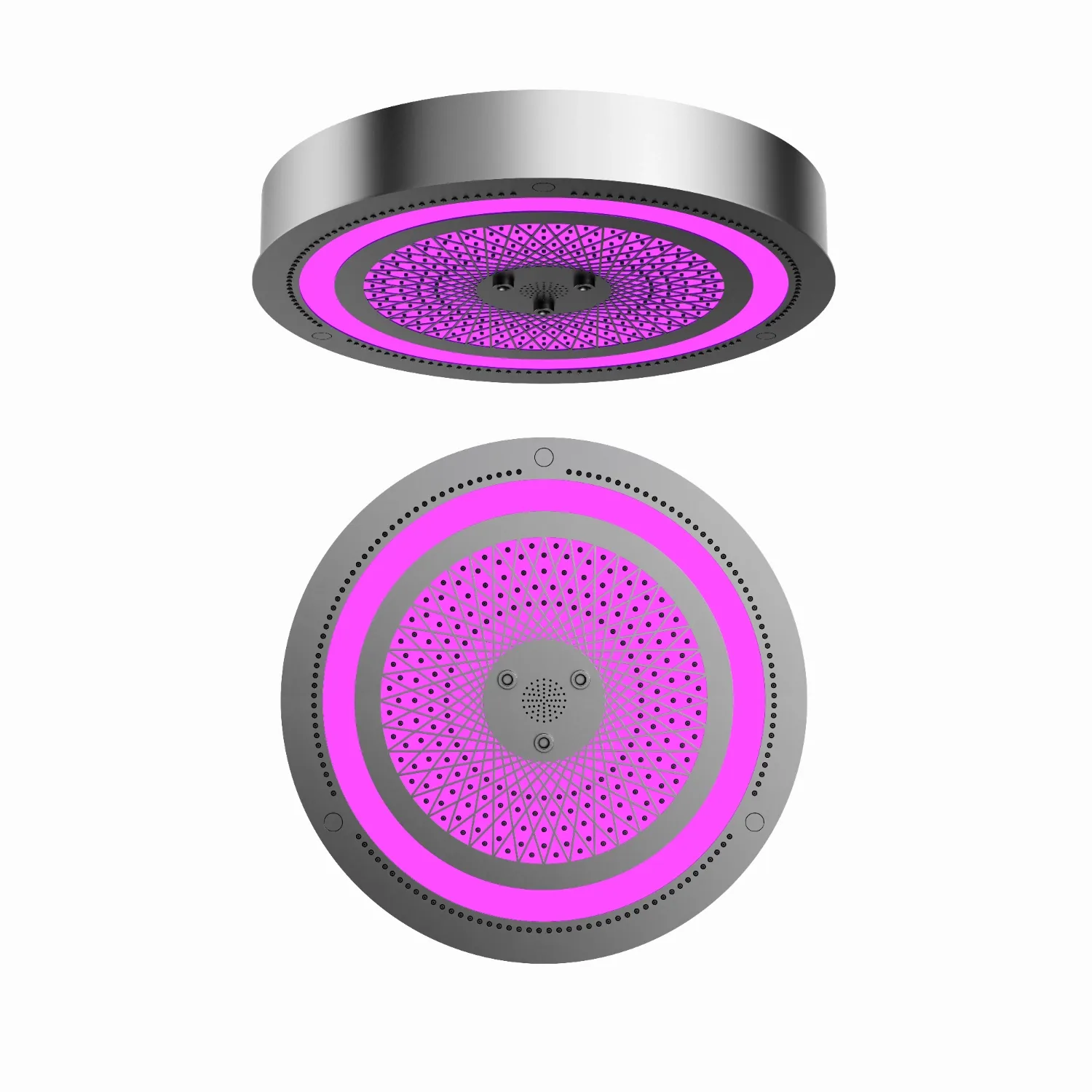
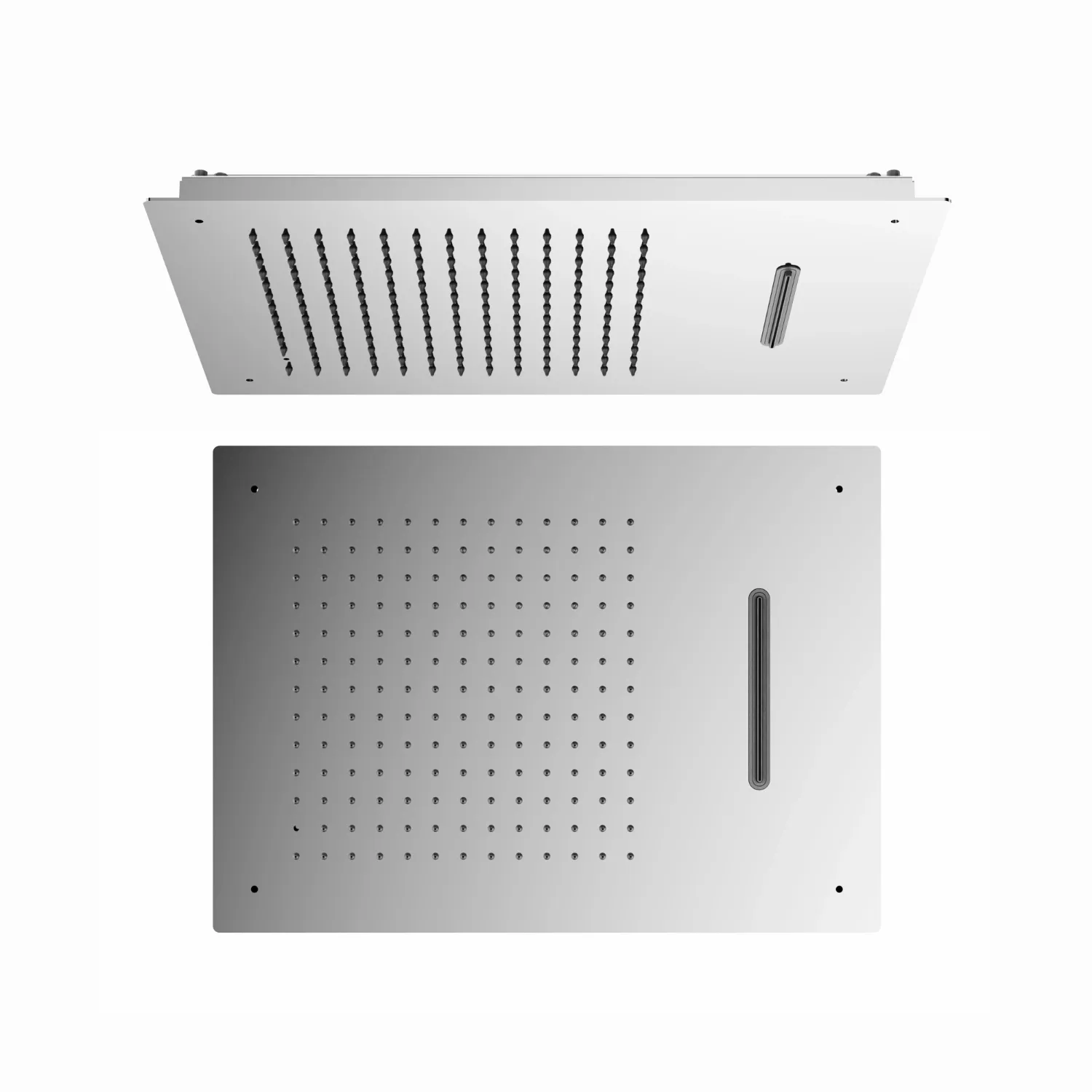
For a hand shower, record the hand-shower inlet and the hose end separately. If the hose is included, identify both of its ends. For an overhead shower, compare the head inlet with the selected shower arm. For a faucet, distinguish the connection at the faucet body from the supply-hose connection to the installation.
This avoids an easy quotation error: one supplier prices only the visible product, while another includes hoses, washers or adapters. The offers may appear comparable until the cartons are opened. Mark every required item as included, separately quoted or supplied by the buyer.
| Connection detail | What to put in the enquiry | What it resolves |
|---|---|---|
| Product and mating fitting | Model references or dimensioned drawings for both sides | Which two parts must work together |
| Thread designation | Standard, nominal size and male or female form | The required connection specification |
| Seal and seating detail | Drawing of the sealing face and specified seal | How the assembled joint is intended to seal |
| Available space | Installed clearance, orientation and access | Whether the assembly can be fitted and serviced |
| Supply responsibility | Hose, washer and adapter quantities, if required | What the quotation and carton must include |
Treat an adapter as another specified component
An adapter may be a practical option when the original connection cannot be changed, but it should enter the quotation as an identified part. Ask for both end specifications, material, sealing details and installed dimensions. Have the proposed assembly reviewed against the actual installation and relevant requirements.
Consider the appearance as well as the joint. An added fitting may increase projection, move the shower head or leave another visible finish between two coordinated products. Include it in the sample review rather than discovering the visual difference during installation.
Do not ask an installer to force mismatched threads or use extra sealant to compensate for an unidentified joint. Resolve the specification first and follow the instructions for the approved assembly.
Three actions before you approve the order
1. Send evidence from the installation
Provide the existing fitting's markings, a clear close-up and any available drawing. Label the image so the supplier knows which connection it shows. If identification remains uncertain, ask the installer to measure and identify it using suitable tools; a photo alone may be insufficient.
2. Approve a complete sample assembly
Request the product with the intended mating part and seal where practical. Have the installer check fit, clearance and function under the specified installation conditions. Record the exact components used, including any buyer-supplied hose or arm, so the sample result refers to a reproducible assembly.
3. Put the agreed connections on the purchase order
Attach the final drawing revision and parts schedule. State whether the approved adapter or seal is packed with each unit. Ask the supplier to identify any proposed connection change before production, especially when the same model is ordered for more than one market.
Buyer questions
Does G1/2 mean a shower head fits every half-inch arm?
No. Check the mating thread and end-connection design, then the physical installation. The thread label alone does not confirm clearance, articulation or the suitability of the complete assembly.
Can one product use different connections at different points?
Yes. Treat each interface separately. Do not copy the specification of the shower outlet onto a faucet supply hose or assume that both ends of a hose are identical.
Build your connection enquiry
Send PUREHIN the selected model, destination market, mating-fitting information and quantity. Use Technical Documentation to request available connection drawings and Sample Development to discuss the parts needed for an assembly check. Ask for an itemised quotation identifying any required accessories.
Technical references
Reviewed 25 November 2026. The recommendations above are a procurement checklist; installation must follow the instructions for the selected products.
Swagelok — Thread and End Connection Identification Guide
Parker — Fitting Threads and sealing arrangements
Explore the product references
Discuss the exact configuration and available documentation for your intended market.