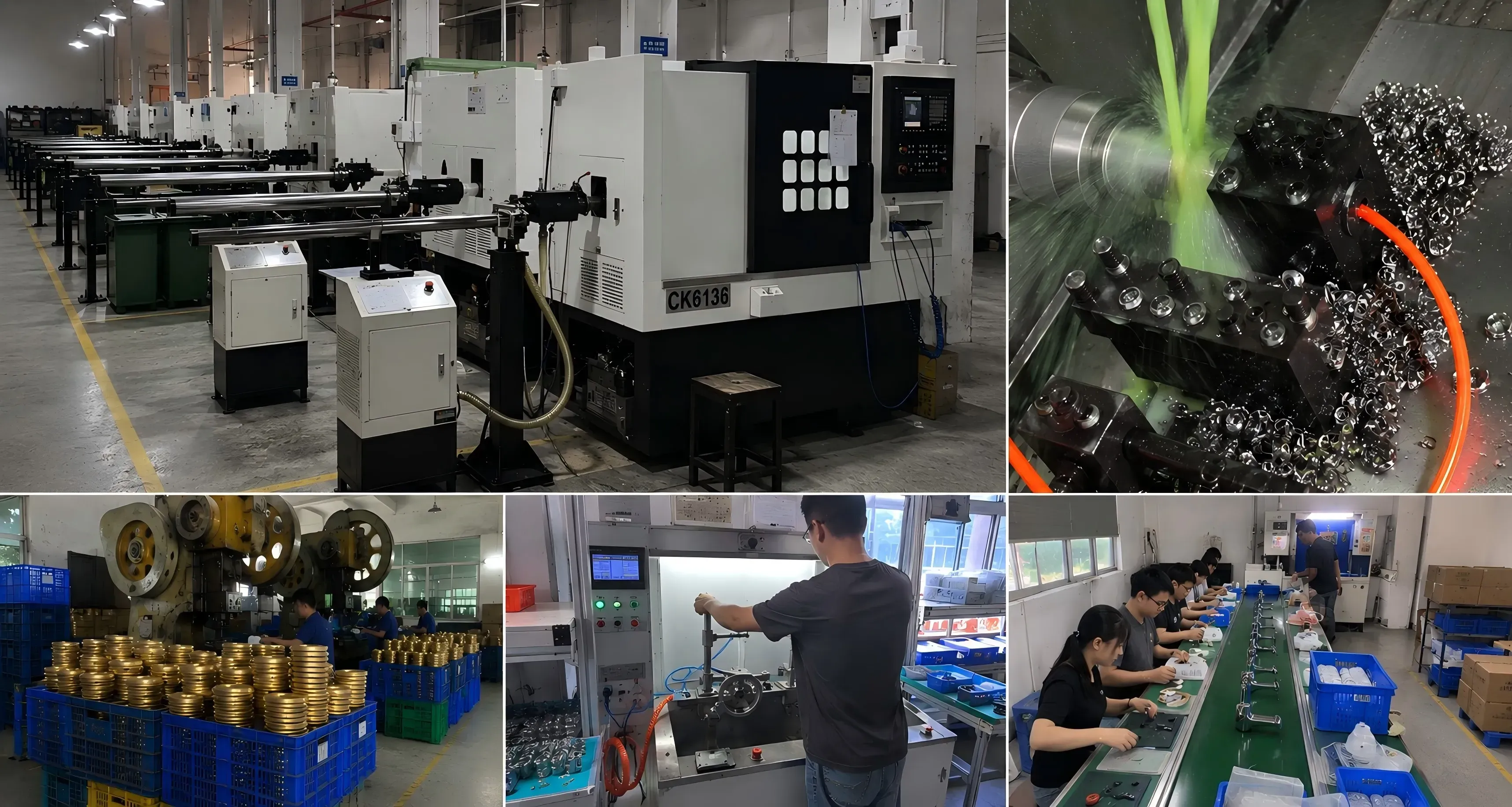
Faucet Inspection: Agree Acceptance Before Shipment
Build a faucet inspection brief before shipment. Agree reference samples, defect criteria, sampling, functional checks and release records for your wholesale order.
The least useful time to decide what counts as an unacceptable scratch is when the order is packed and the inspection report has arrived. By then, the buyer, supplier and inspector may each be working from a different idea of an acceptable product.
A faucet inspection plan should turn the approved sample into clear checks before production starts. For an importer or private-label brand, this makes the release decision easier to explain and gives the supplier time to understand the expectations that affect appearance, function, packaging and identification.
Start with the order, not a generic checklist
Identify the model, finish, quantity and approved revision for each inspection lot. Attach the current drawing, parts list, packaging specification and agreed reference sample. If a shipment combines several models or finishes, ask the inspection provider how the lots and sample selection will be defined.
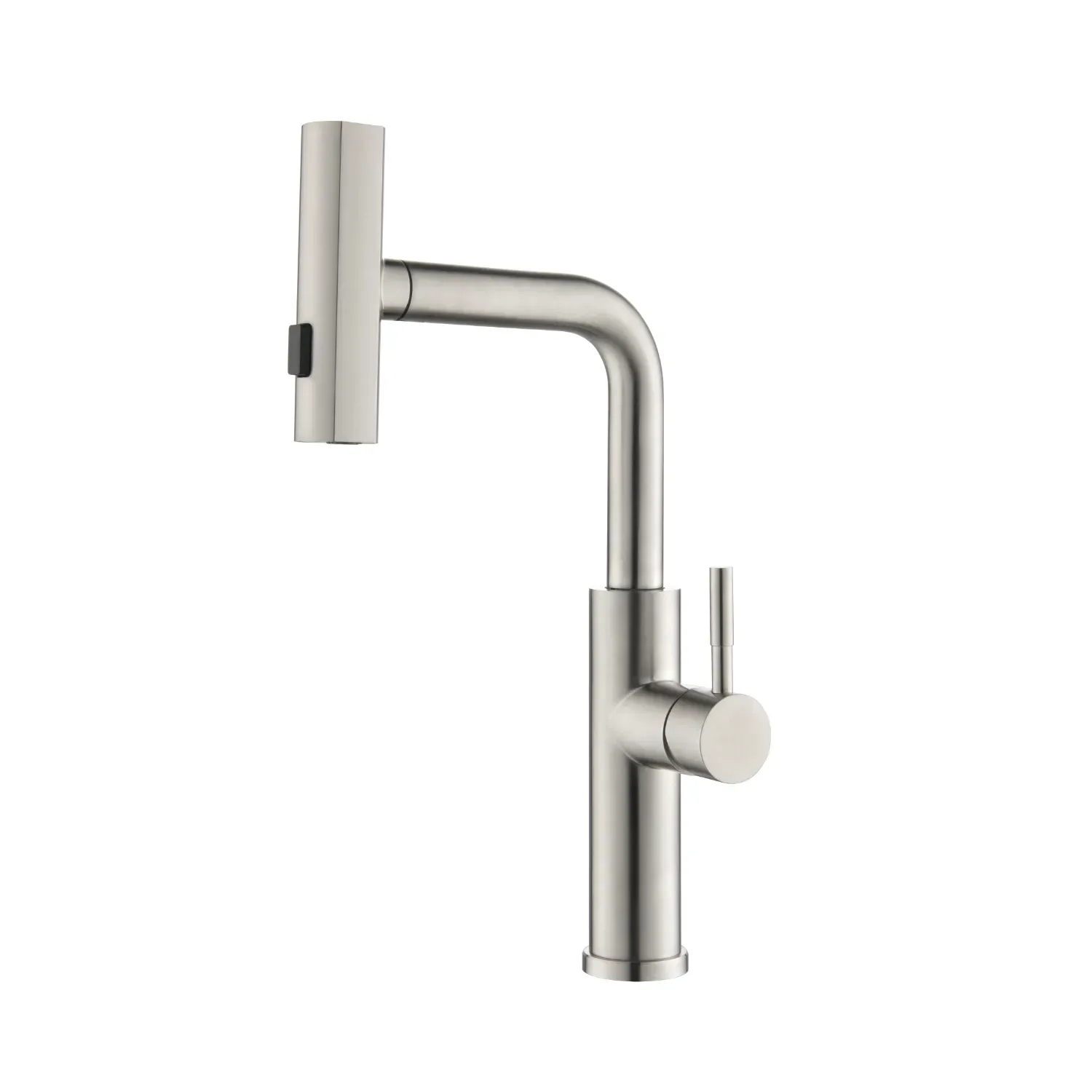
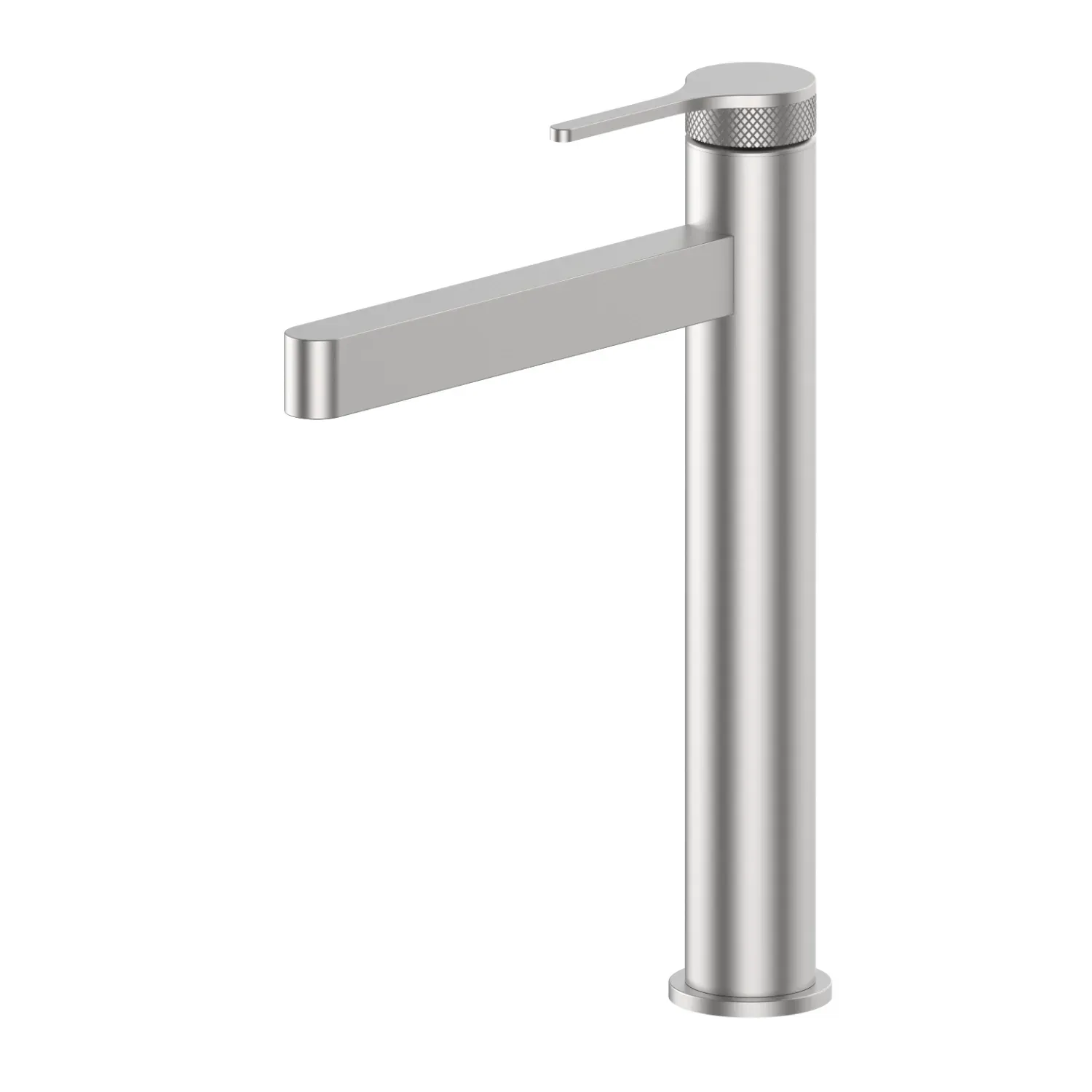
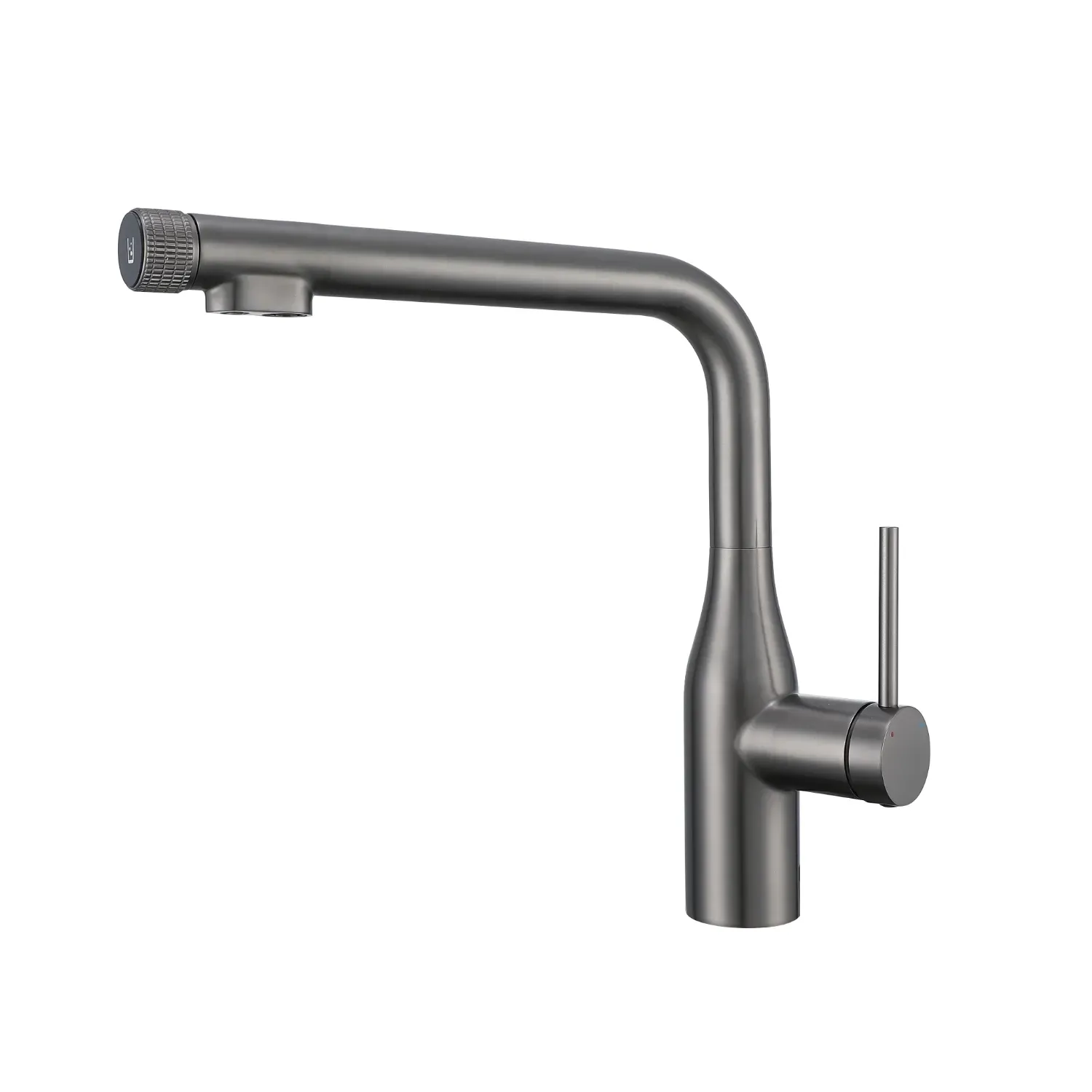
Different functions need different checks. A basin faucet's inspection brief should follow its own controls and supplied fittings. A pull-out kitchen faucet adds a hose and spray-head arrangement to evaluate. A three-way filter faucet needs a clearly identified connection and operating specification. Copying one checklist across all three can leave the feature the customer actually bought unexamined.
Decide what evidence will support acceptance
“Good quality” is a goal, not an inspection instruction. Agree what will be observed or measured, under which conditions, and against which reference. For visible surfaces, define the viewing conditions and approval examples. For dimensions and function, identify the drawing or test method that establishes the acceptance criteria.
| Inspection area | Define before inspection | Useful record |
|---|---|---|
| Identity and quantity | Model, finish, revision and lot boundaries | Carton labels and count record |
| Appearance | Viewing conditions, approved sample and defect examples | Clear photographs with location and scale |
| Dimensions and fit | Drawing revision, measuring points and agreed tolerances | Recorded measurements |
| Function and leakage | Applicable method, equipment, conditions and acceptance limits | Results linked to sampled units or production records |
| Supplied parts | Exact parts list and quantities per set | Open-carton checklist |
| Packaging and marking | Approved pack layout, artwork and product identifiers | Packed-sample and label photographs |
This table is a starting brief. The buyer and qualified inspection provider should adapt it to the exact product, market and contract. A visual inspection cannot establish a material grade or replace a specialised compliance test.
Use sampling with a clear purpose
NIST describes acceptance sampling as selecting a random sample from a lot and using the result to decide the lot's disposition. It emphasises that the purpose is an acceptance decision, rather than estimating the lot's quality. A passed sample therefore should not be described as proof that every shipped unit is defect-free.
ISO's current listing identifies ISO 2859-1:2026 as the third edition covering AQL-indexed sampling schemes for inspection by attributes. If that approach is specified in the order, agree the standard edition and the full sampling arrangement with the inspection provider. Writing only an AQL number leaves important parts of the plan unspecified.
Document the inspection level, lot size, sample size, defect categories and acceptance or rejection criteria that the selected plan requires. Do not choose convenient sample numbers after seeing the result. Keep any agreed production checks, such as routine leakage testing, separate from the final random-sample inspection so the buyer knows what each record actually covers.
Agree how defects will be classified
Build a short defect catalogue with the supplier and inspector. It can cover issues such as an incorrect model label, a missing fixing part, a visible finish mark or a control that does not operate as specified. Assign the consequence and classification for the actual product and use; these examples do not have one universal severity level.
Where possible, use approved photographs or physical limit samples to distinguish acceptable variation from a rejection. A small mark on a hidden mounting surface and the same mark on the visible spout may need different treatment. The agreement should be clear before an inspector makes the decision.
Keep safety and regulatory requirements explicit. They need the appropriate evidence and controls; a cosmetic sampling rule should never be used to dismiss a functional or compliance concern.
Plan the response to a failed inspection
Agree who receives the report, who authorises shipment release and what happens if the lot is not accepted. The process may involve sorting, rework, replacement or a further inspection, depending on the findings and the contract.
If rework is proposed, request a record of the affected units and the corrective action. Agree how the revised lot will be identified and reassessed. A second set of attractive photographs is not the same as evidence that the original issue has been resolved across the affected stock.
Three actions for your next faucet order
1. Approve the reference package
Combine the sample, drawings, parts list, finish reference and packaging artwork under a clear revision. Share the same version with the supplier and inspector.
2. Set the inspection and release plan early
Agree timing, access to packed goods, required equipment, the sampling arrangement and the person responsible for the release decision. Leave room in the shipment schedule for resolving findings.
3. Make the report traceable
Require the report to identify the purchase order, lot, models, sample selection, checks performed and outstanding issues. Retain it with the shipment record so later enquiries can be connected to the correct batch.
Ask PUREHIN for a quotation with a clear quality brief
Send your models, quantities and inspection requirements when discussing OEM Manufacturing. Use Sample Development to establish the product reference before confirming the order. Ask which checks and records can be included, which require an agreed external inspection, and how those requirements affect the offer and schedule.
References
NIST/SEMATECH — What Is Acceptance Sampling?
ISO — ISO 2859-1:2026, acceptance sampling for inspection by attributes
Explore the product references
Discuss the exact configuration and available documentation for your intended market.