Faucet Packaging for Online Sales: Protect the Product
Plan faucet packaging for online sales around product protection, loose parts, labels and parcel delivery. Prepare a practical brief for packaging samples and pricing.
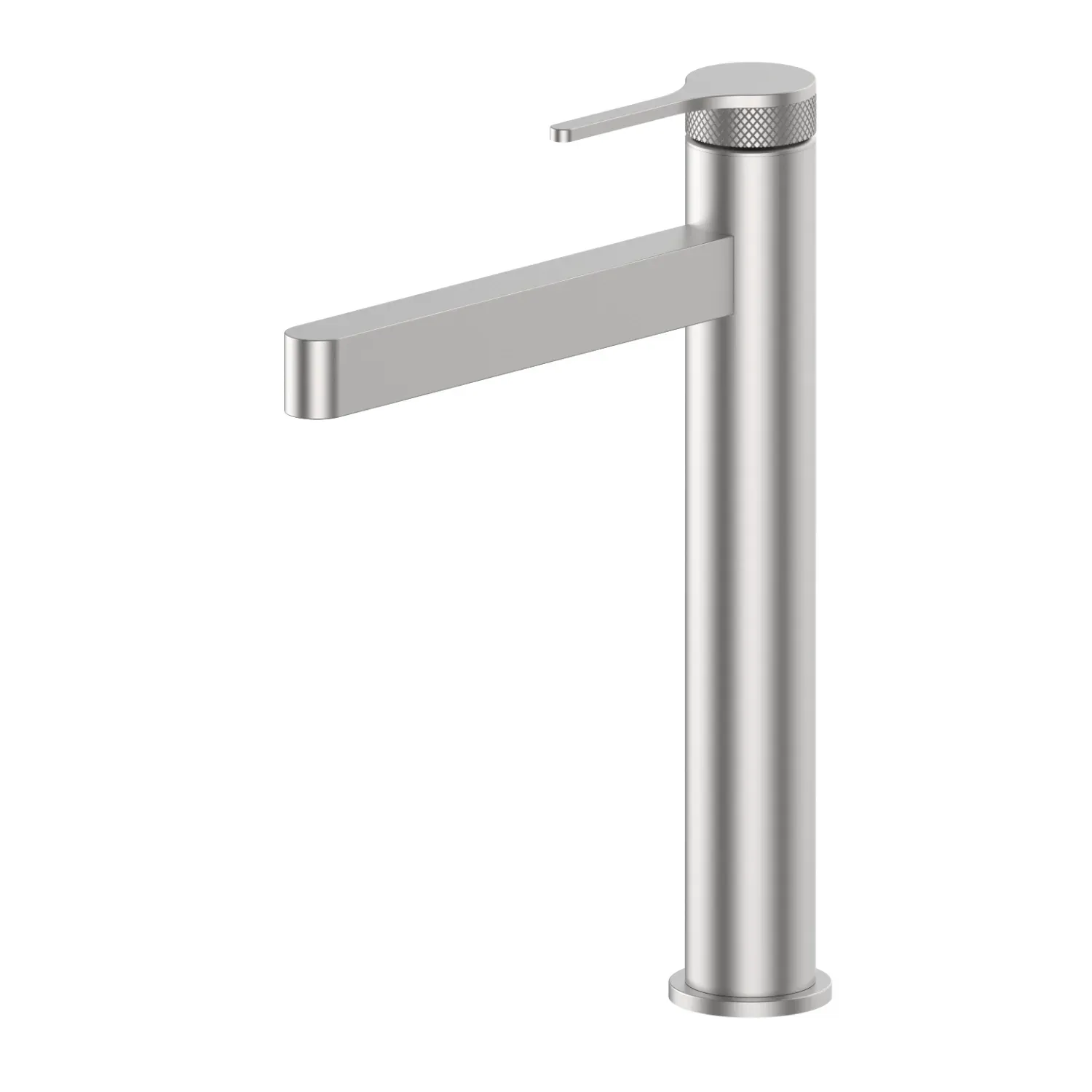
A faucet may leave the factory in a master carton and reach the customer as a single parcel. That change matters. Packaging that keeps several units together on the way to a warehouse may still need a different arrangement for the final delivery.
For online retailers and private-label brands, the packaging brief should describe that whole journey. The aim is a product that arrives with its finish protected, its parts together and its identity clear enough for both the customer and the warehouse team.
Define what the customer will actually receive
Start with the fulfilment method. Will your warehouse put the unit box inside another shipping carton? Will a fulfilment partner add protection? Or must the product package travel directly to the customer with a shipping label attached?
Those are different packing arrangements. Tell the supplier which one you intend to use before approving the unit box. Record the product, inserts, accessory bags, instructions and any outer shipping carton as one proposed package.
A printed retail box can be part of the presentation without being the final shipping container. If you plan to use it for both purposes, evaluate it in that role rather than assuming that an attractive sample box is ready for parcel delivery.
Keep the product and loose parts in their own places
Look inside the package before judging its appearance. The faucet body should have a defined position, with support appropriate to its shape. Pay particular attention to a projecting spout, handle or separate control that could move against another component.
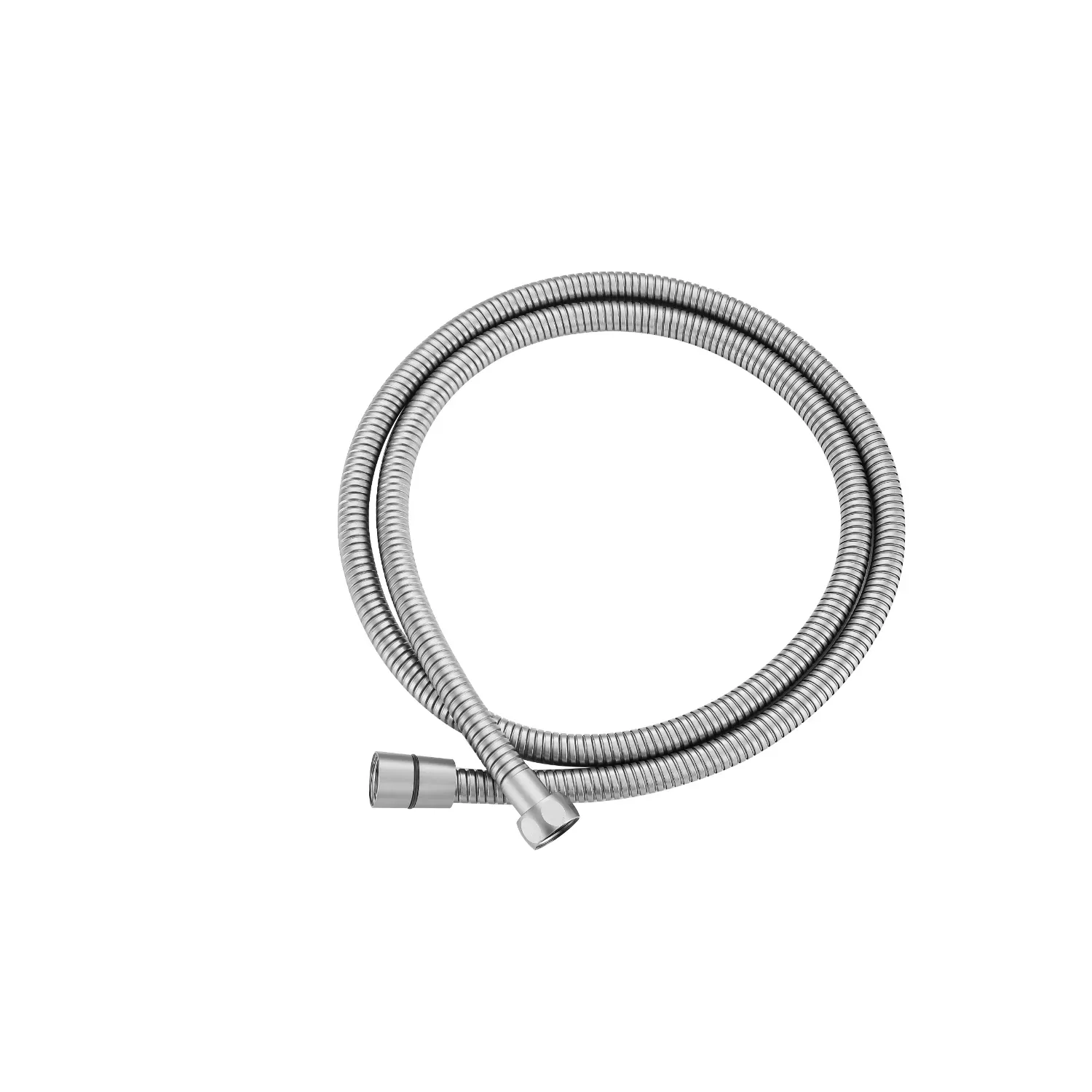
Mounting hardware and other small parts need a contained location that stays separate from visible finished surfaces. Simply adding more loose filling does not explain where each part belongs or how the packer should assemble the package consistently.
Use a packing photograph with the parts in position. It gives your team something specific to approve and provides a reference for repeat orders. Include the accessory bag contents so a later packing check can distinguish a missing part from an intentional change in supply scope.
Review the package at three stages
| Stage | What to inspect | Useful approval record |
|---|---|---|
| Before closing | Product support, surface protection and separation of loose hardware | Open-box photo and packing sequence |
| After packing | Correct model, finish, included parts, labels and closed-box condition | Packed sample identification and contents list |
| After the agreed distribution test | Product condition, component movement, package damage and usable instructions | Results linked to the exact product and package version |
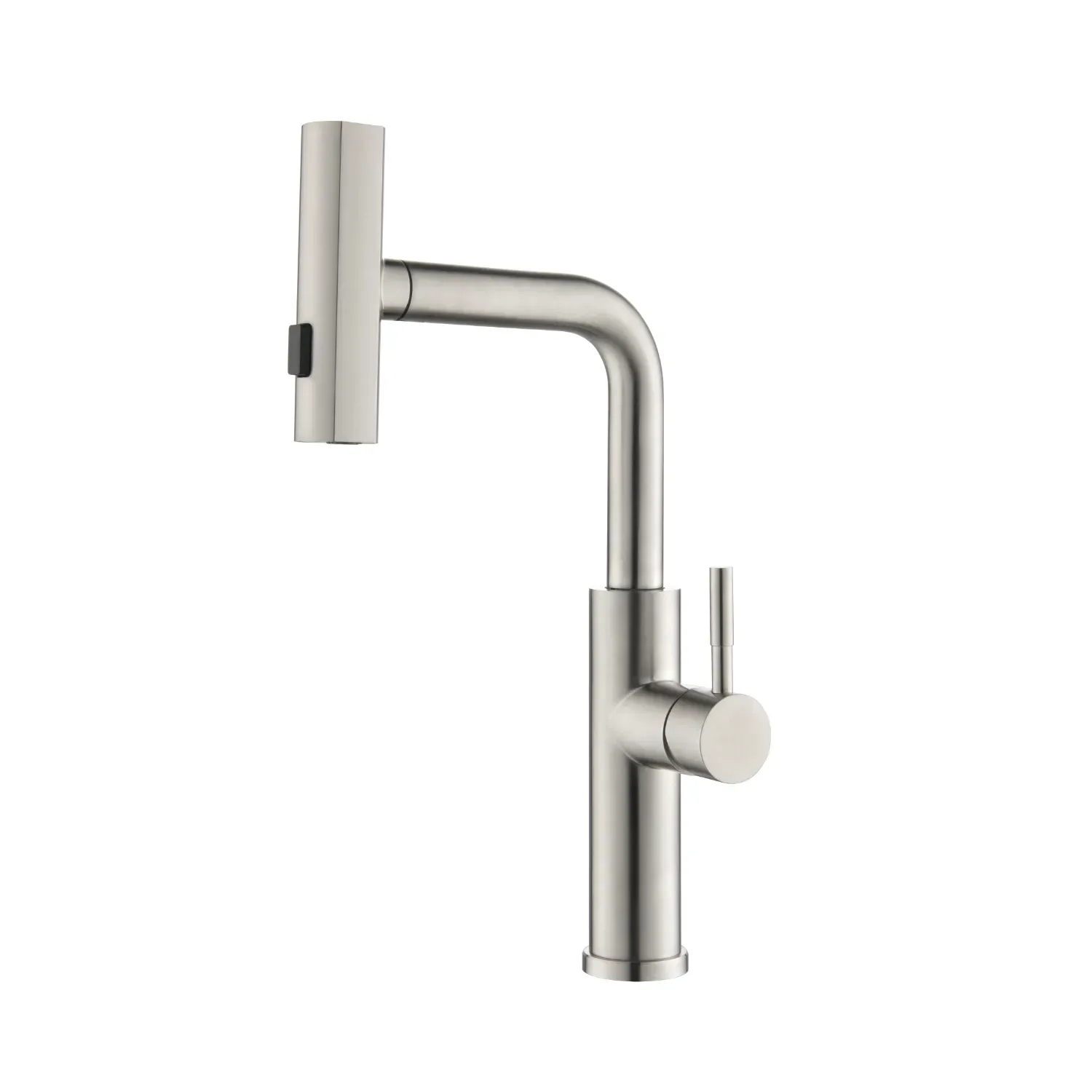
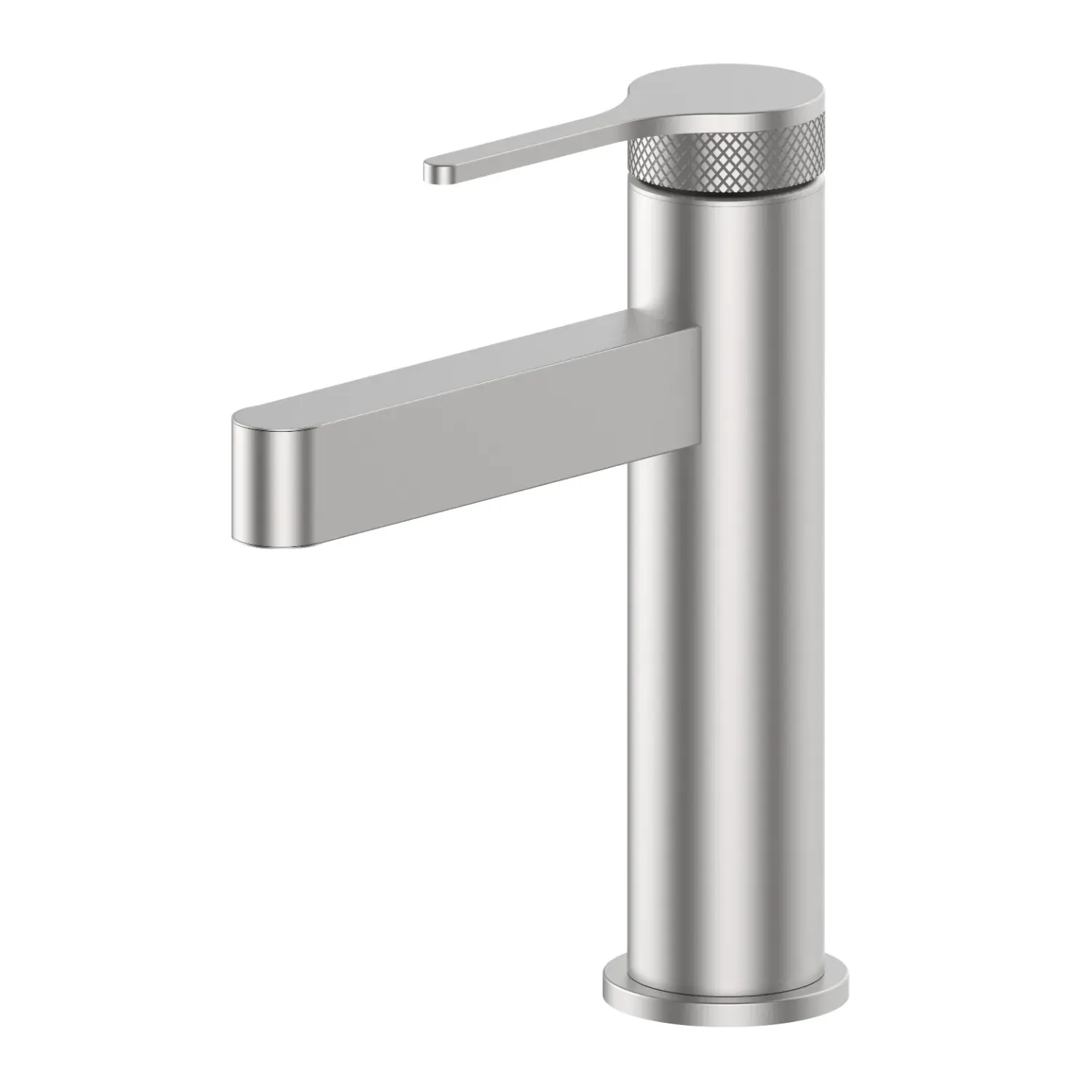
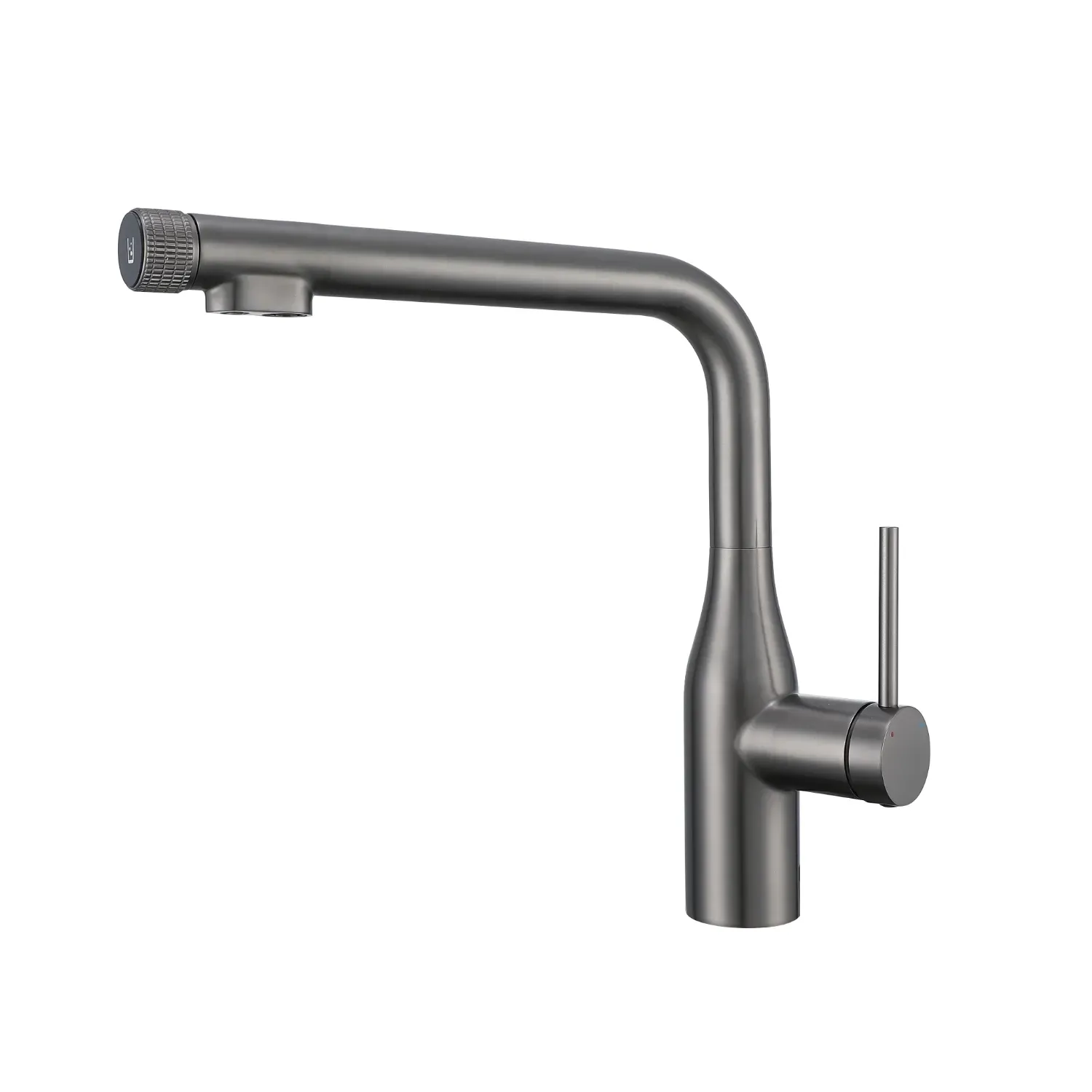
For a tall basin faucet such as SF310201, examine how the body and spout are supported. For a pull-out kitchen faucet such as SF320501, include all parts in the quoted configuration when reviewing the pack. An empty box or a body-only mock-up cannot show how the complete supplied product will fit.
Choose a transport test for the distribution route
Agree the evaluation method with the buyer, fulfilment partner or testing laboratory. A quick handling check can reveal loose components, but it does not establish that a package has passed a recognised transport test.
ISTA’s test-procedure overview distinguishes different distribution environments. For example, Procedure 3A addresses individual packaged products moving through parcel delivery systems within its stated weight scope. The appropriate procedure and any marketplace requirements should be selected for the actual shipment arrangement.
Ask that the test record identify the model, package construction, contents and test conditions. If the product or protective insert changes afterwards, review whether the earlier result still applies. A test for one package should not be presented as approval of every model in a collection.
Make picking and returns easier to understand
Two finishes may use the same box size, but they still need unambiguous identification. Put the approved model and finish reference where a warehouse operator can check them without opening the package. Keep the box label, product listing and order reference consistent.
Consider the customer’s first five minutes as well. Can they find the instructions and small parts without discarding something important? Is it clear which pieces are included? Where should they find the model reference if they need help?
For returns, a simple packing illustration can help the customer put the components back in their intended positions. It also gives your receiving team a clearer way to record what came back and what is missing.
Approve packaging alongside the product
Discuss the packing arrangement through PUREHIN’s private-label service, and use sample development to review the product and its proposed packaging together. Ask for packaging options to be identified separately in the quotation so you can compare presentation, protection and order requirements.
Buyer questions
Do I need a new package for every finish?
The same protective construction may be suitable when the product geometry and supplied parts are unchanged. Still review surface protection and labelling for each finish. A shared box does not remove the need to distinguish the versions clearly.
Can I start with neutral packaging?
You can request a neutral-packaging proposal and compare it with a branded option. Specify the same product protection and delivery route for both, so the comparison is not limited to the printed design.
Request packaging options for your online range
Send PUREHIN your selected models, quantities, selling channel and fulfilment method. Add any required box dimensions, label format or testing criteria. Ask for a product quotation with a proposed packing arrangement and sample scope that your team can review before the launch.