Exposed vs Concealed Thermostatic Shower Systems: A Buyer’s Guide
Compare exposed and concealed thermostatic shower systems for renovation and new bathrooms. Check installation, outlets, finishes and quotation details before choosing.
A shower system can look right in a catalogue and still be wrong for the bathroom being planned. For importers, private-label brands and project suppliers, the choice between an exposed and a concealed thermostatic shower system starts with the installation—not simply the finish.
This guide explains what to compare, which details to request and how to build a quotation that your installer or customer can assess.
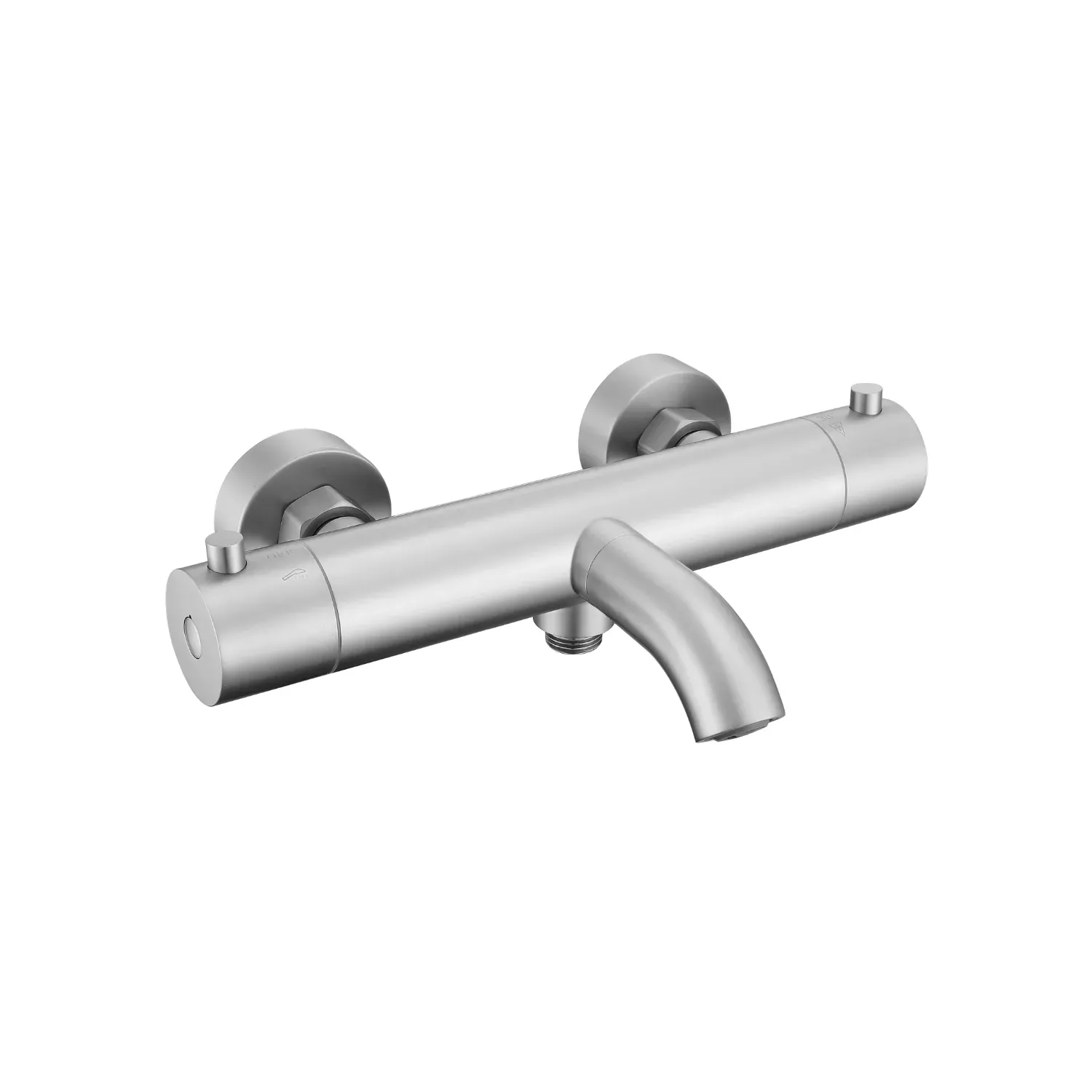
Quick answer: An exposed system keeps the mixer and riser visible on the finished wall. A concealed system places the valve body within the wall, with controls and shower outlets visible outside. Start with the wall construction and water connections, then compare the design and supplied components.
1. Start with the bathroom, not the photograph
For a replacement project, an exposed thermostatic shower system may be worth shortlisting when the existing hot and cold supplies can be matched to the new mixer. It is not automatically a direct replacement: inlet positions, mounting points, shower height and available clearance still need checking.
A concealed thermostatic shower system suits a design where the controls, overhead shower and hand shower are arranged around a planned wall layout. The valve position, installation depth, pipe routes and service access need to be resolved before the wall is closed and finished.
Ask early: Is this an existing tiled bathroom, a full renovation or a new installation? The answer helps narrow the shortlist before anyone spends time comparing finishes.
2. Compare the complete arrangement
“Shower system” does not describe one standard package. An attractive product image may show several pieces, while the quotation covers a particular combination. Compare an itemized supply list for each candidate.
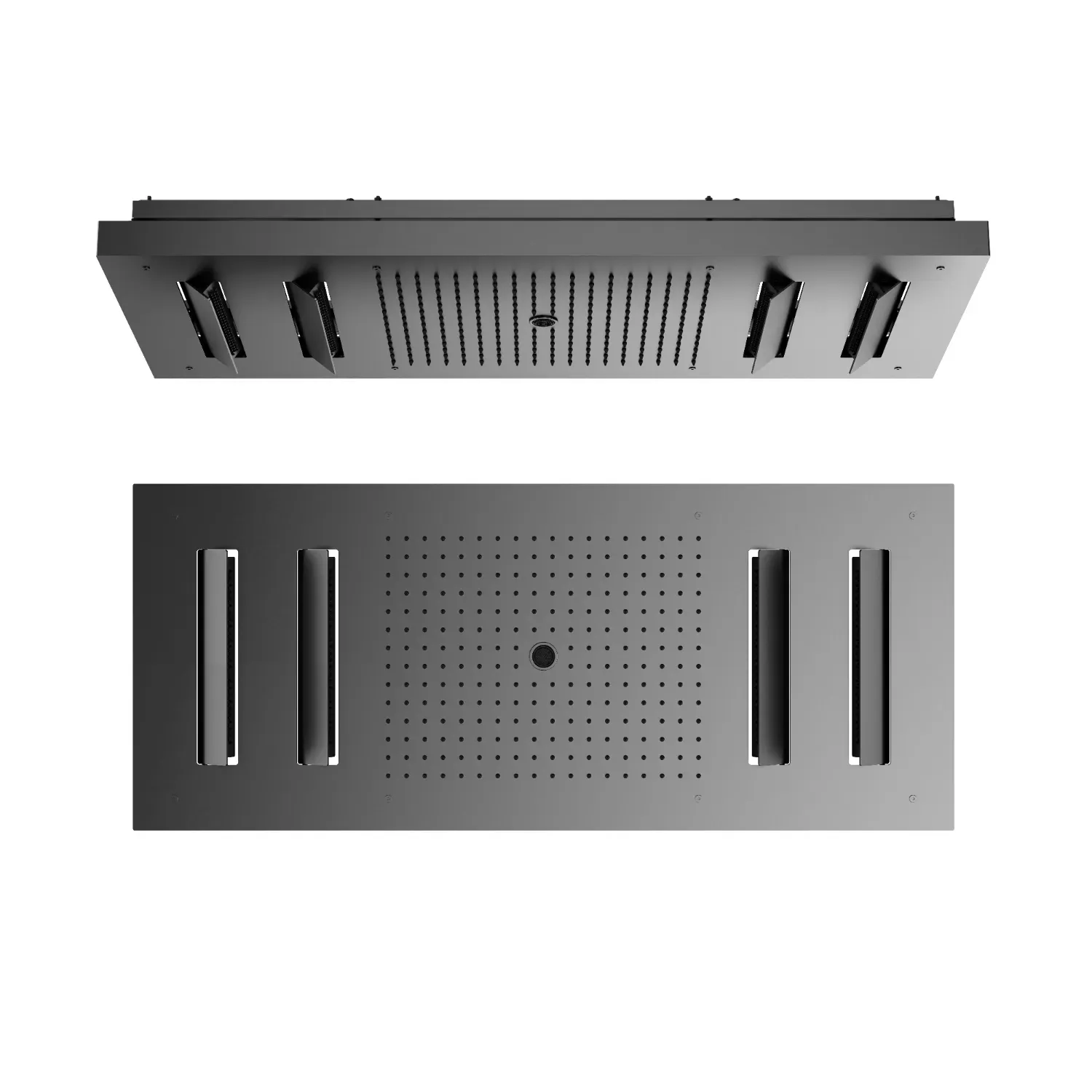
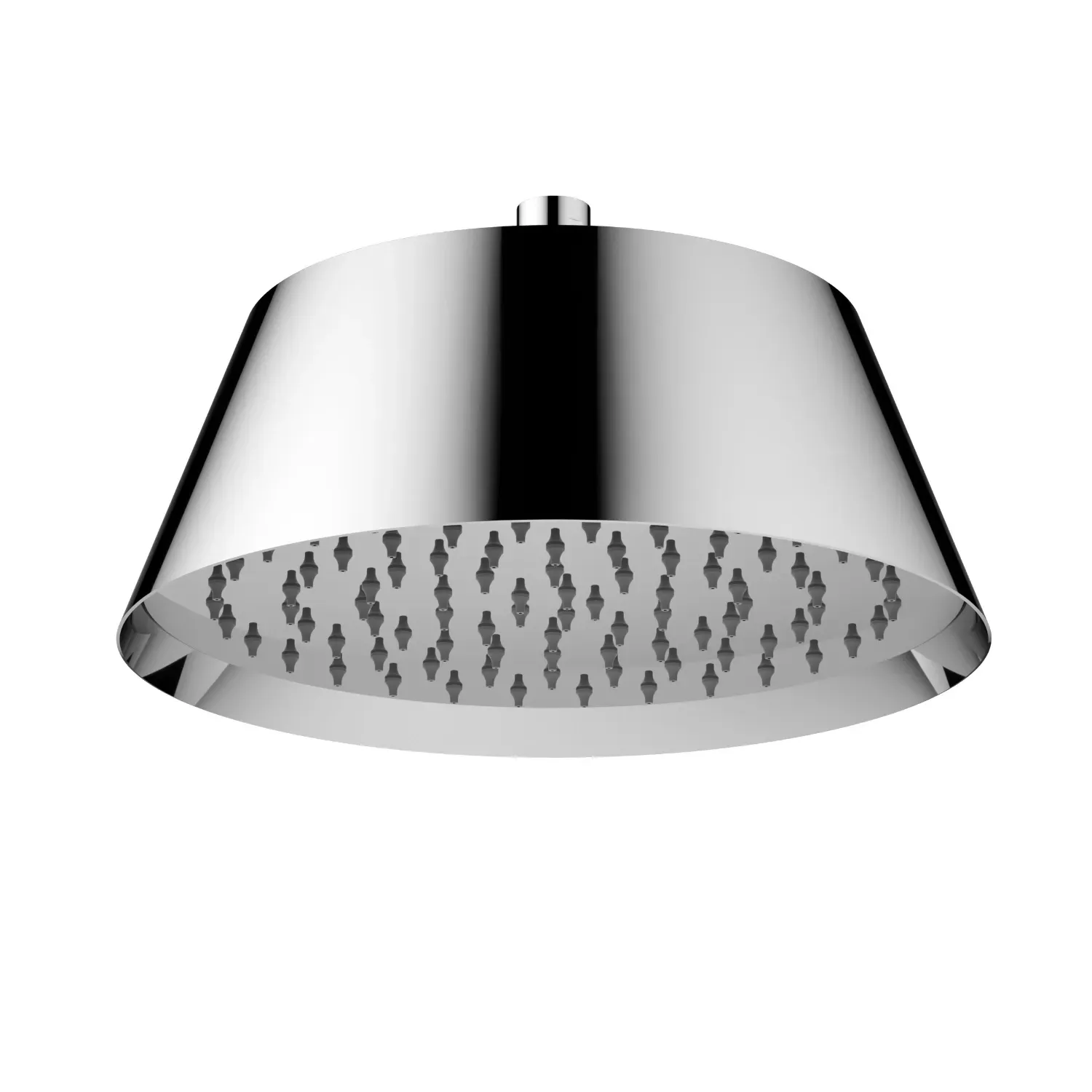
- Water outlets: overhead shower, hand shower and any other outlet required by the project.
- Controls: temperature control, flow control and outlet switching for the proposed configuration.
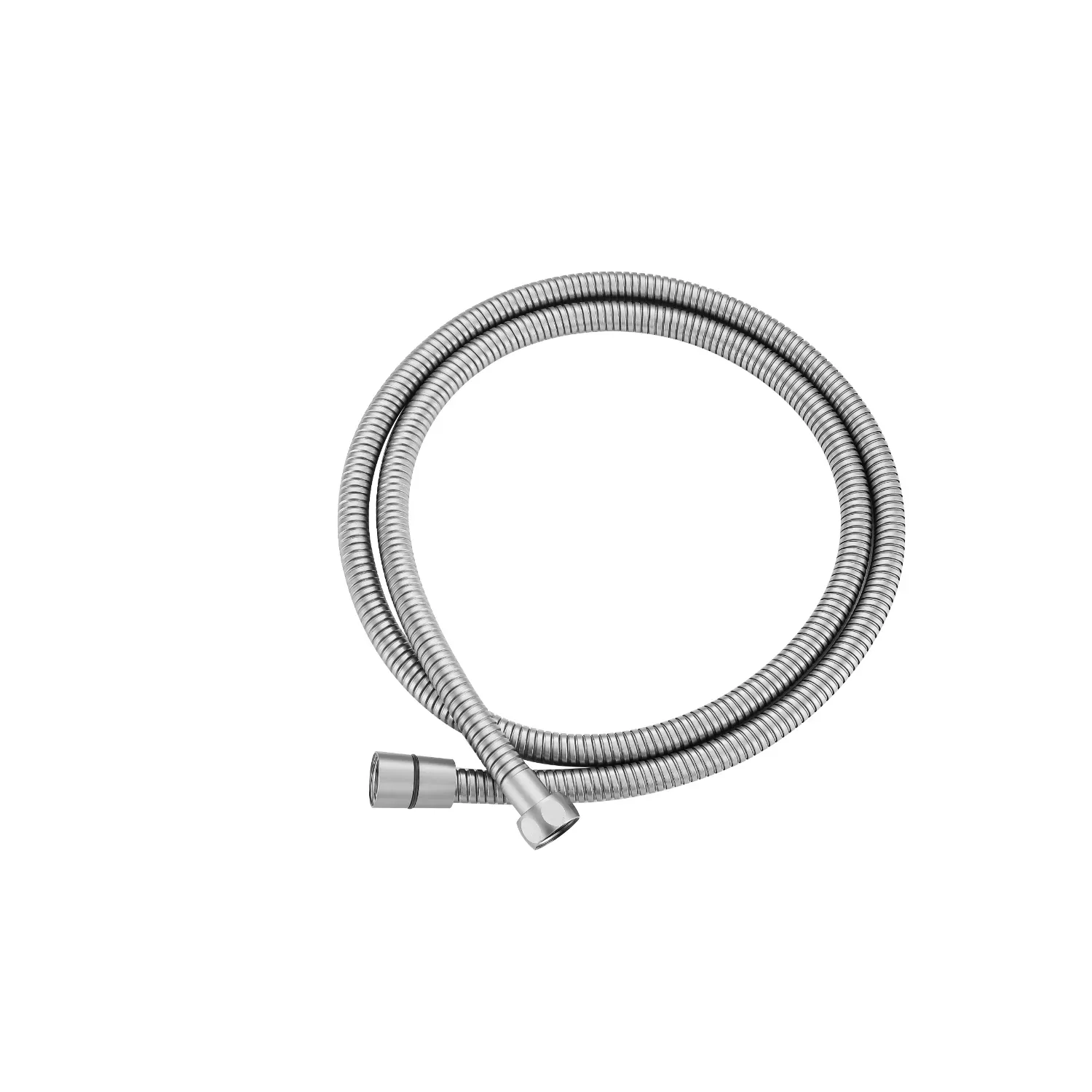
- Installation parts: riser or shower arm, hose, holder, connectors and mounting hardware.
- Concealed components: valve body, trim and the parts needed behind the wall, where applicable.
Ask whether the required outlets operate separately or together. The number of visible controls or shower heads is not enough to establish the operating sequence.
3. Understand what the 38°C setting tells you
The PUREHIN thermostatic models discussed here use a 38°C reference setting with adjustable outlet temperature. This gives buyers a useful control detail to compare, but the setting alone does not establish a certified maximum temperature or a particular safety certification.
For a project with defined temperature or performance requirements, request the model documentation and have the proposed configuration checked against the installation conditions. Include the available water pressure, hot-water arrangement and intended outlet combination in the enquiry.
4. Build a focused product shortlist
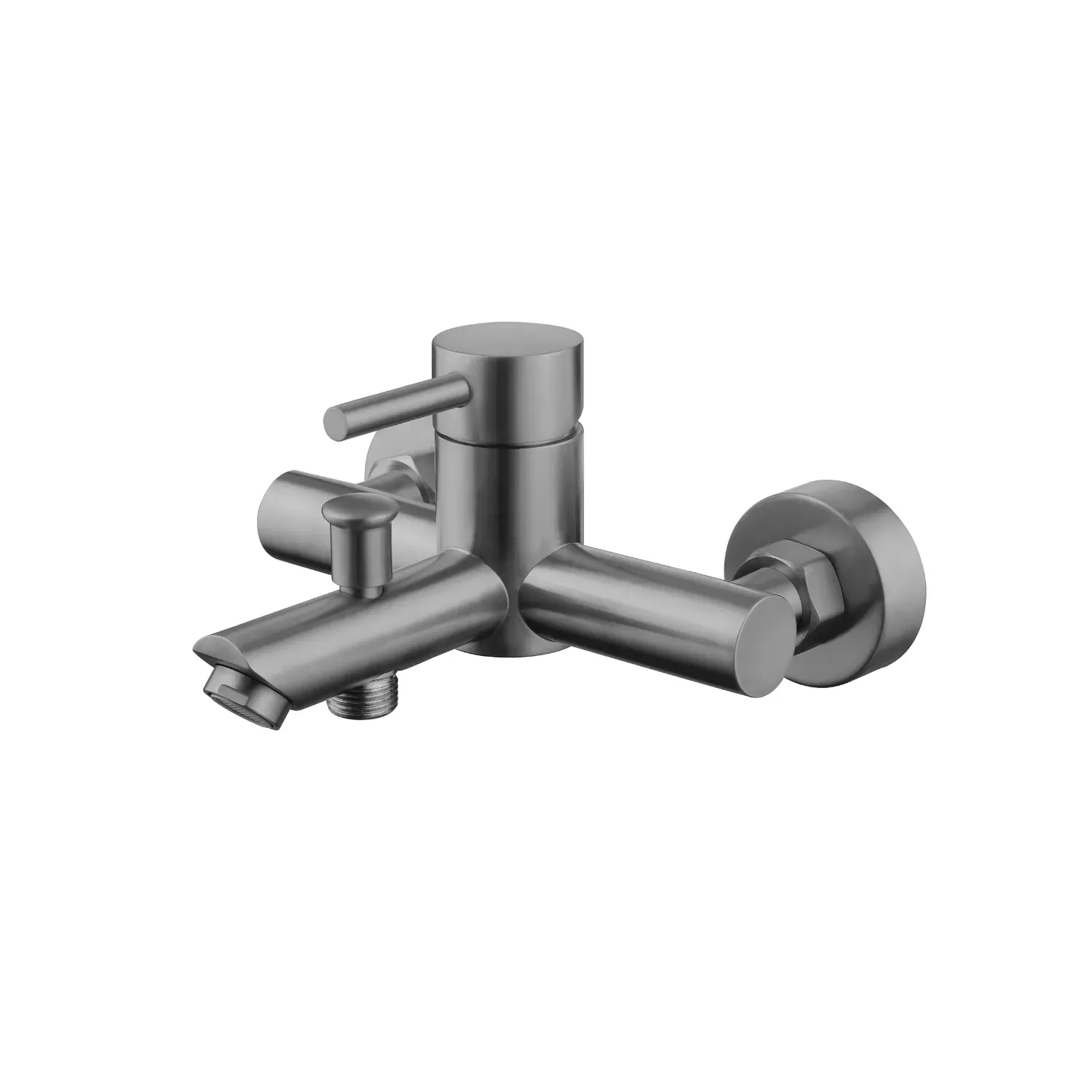
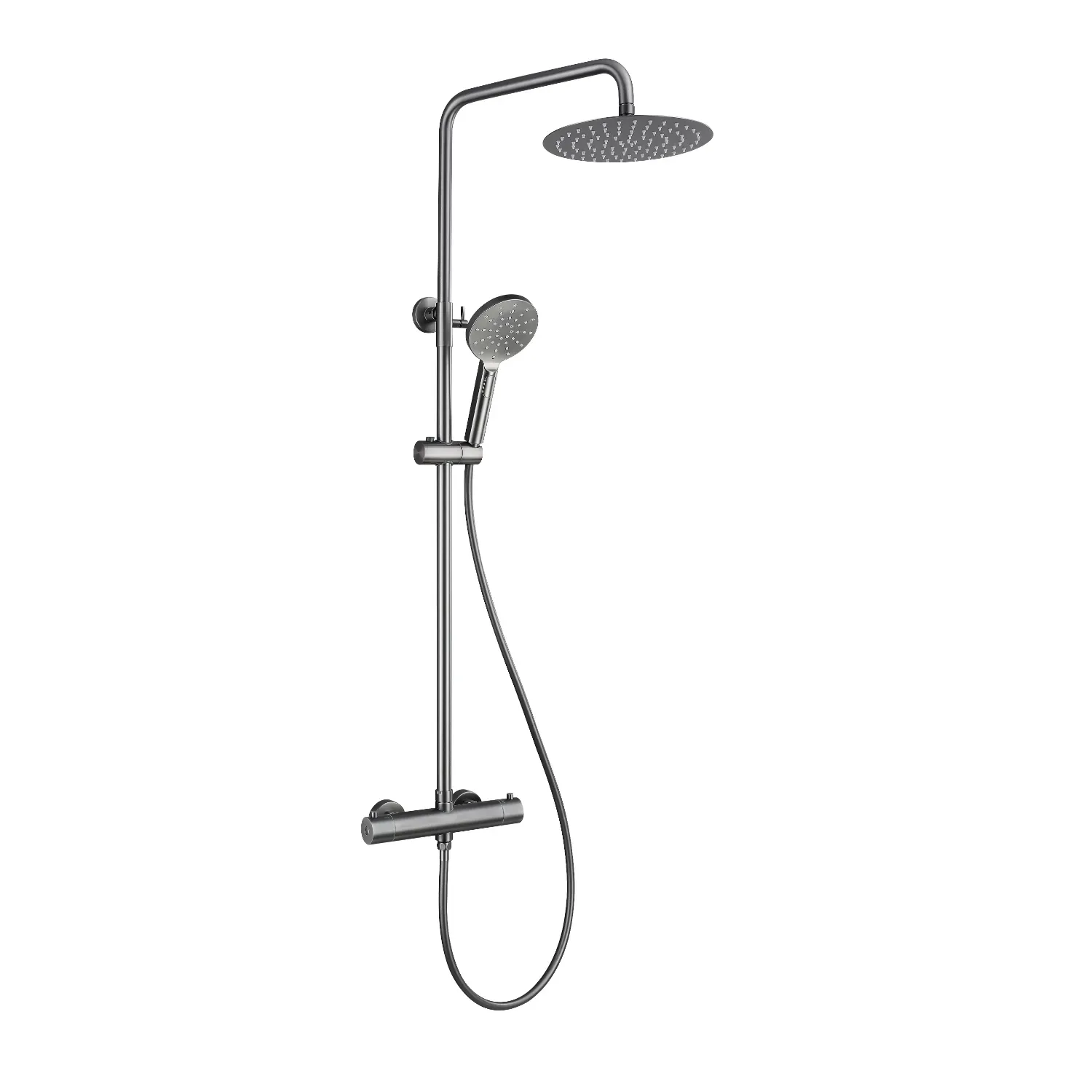
SC700705: an exposed Gun Metal system
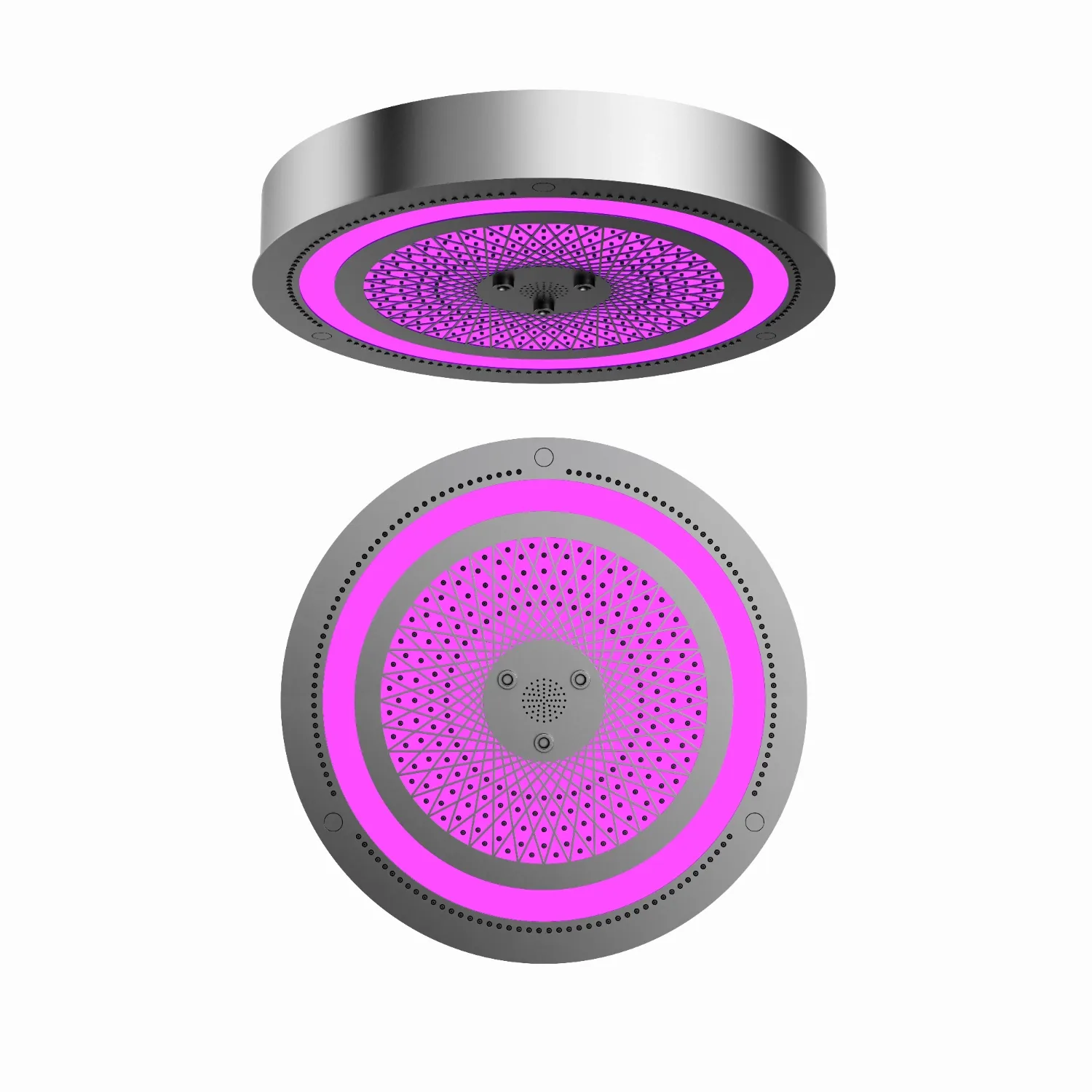
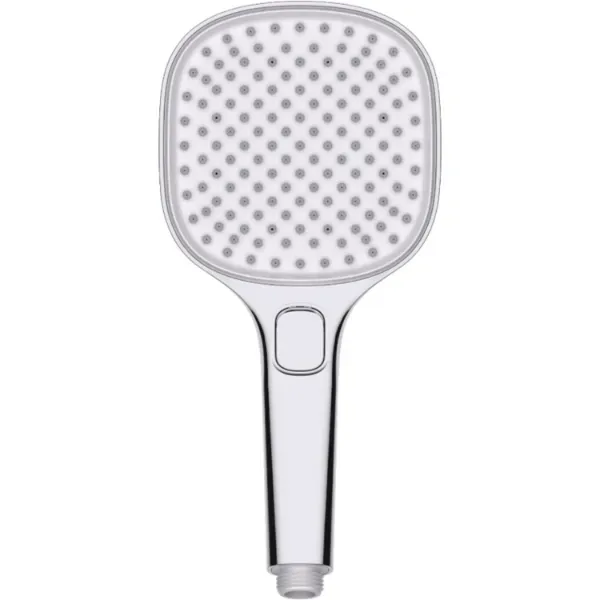
SC700705 combines an overhead shower and a hand shower with an exposed thermostatic mixer and riser. Its Gun Metal finish and specified SUS304 stainless steel material make it a starting point for buyers developing a coordinated bathroom range.
Use the product page to review the visible arrangement, then request the mounting details and itemized parts list for the version you want quoted.
SF338200 and SF338201: concealed alternatives
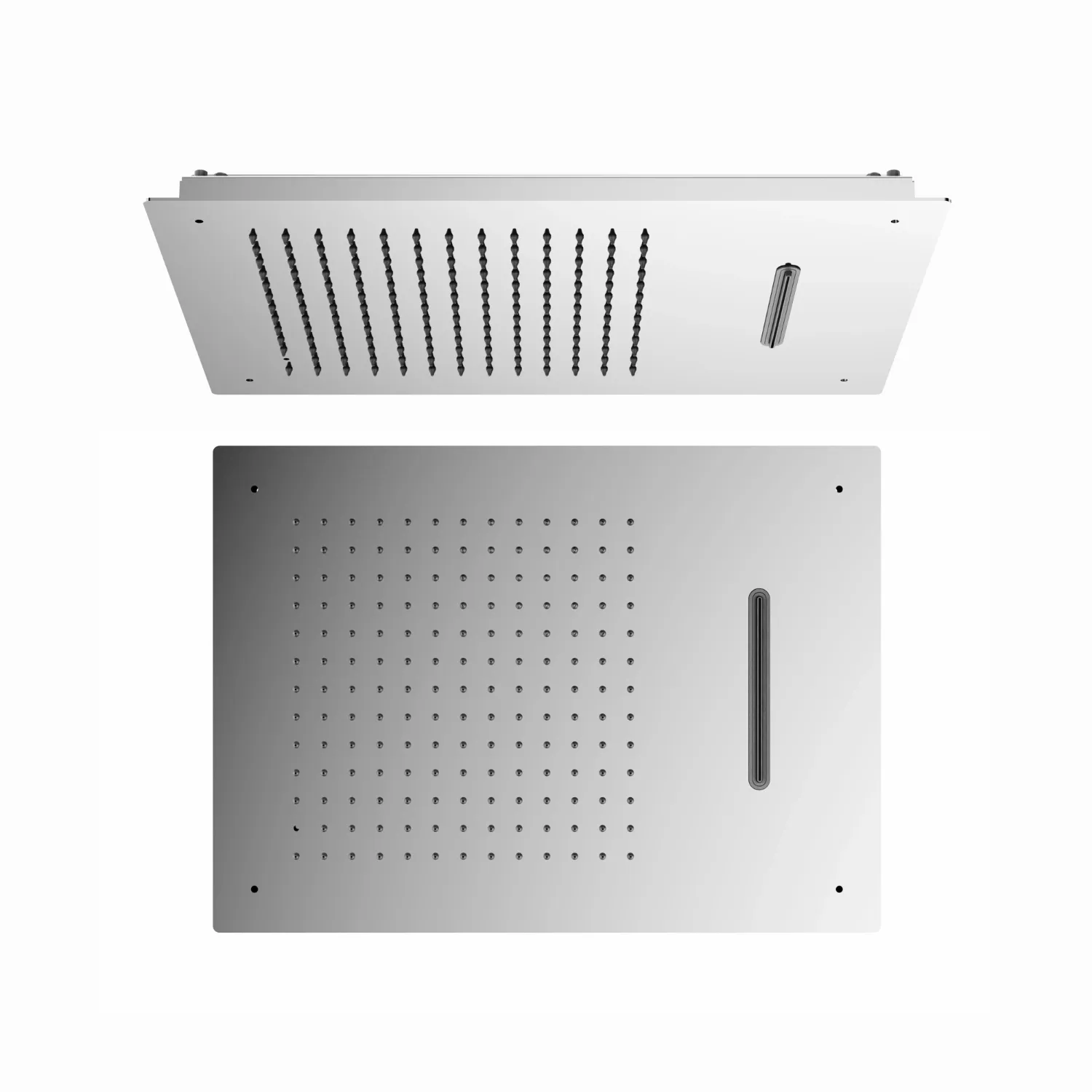
SF338200 in Chrome and SF338201 in Brushed Nickel provide concealed thermostatic options with an overhead rain shower and hand shower. They are useful comparisons when the project calls for a concealed valve layout.
Compare their installation documentation and finish with the exposed option. Do not assume that the rough-in dimensions or included parts are interchangeable between different systems.
5. Review the finish as part of the bathroom range
Chrome, Brushed Nickel and Gun Metal create different visual effects. View a physical sample beside the basin faucet, accessories and other surfaces planned for the bathroom, using the same lighting where possible.
If you are sourcing a coordinated range, identify the reference sample and finish name in the quotation. For options beyond the finish shown on a product page, use Custom Finishes support to discuss the proposed model and quantity.
A practical checklist for your enquiry
- Project type: replacement, full renovation or new installation.
- Preferred model, finish and quantity per model.
- Required outlets and how you want them to operate.
- Available installation space and existing inlet information, if applicable.
- Target market and any named documentation or performance requirements.
- Required sample, packaging and delivery timing.
Share a drawing or clear installation photographs when available. Technical Documentation support can help identify the model information needed for a useful review.
Buying FAQ
Is an exposed shower system always easier to replace?
It can be a practical option when the existing supplies and mounting arrangement match. Confirm the dimensions and connections before treating it as a replacement for an installed unit.
Does a concealed system include the valve inside the wall?
Check the itemized quotation. It should clearly identify the concealed valve body, visible trim, outlets and installation parts included in the proposed set.
Can I compare samples before selecting a finish?
Yes—send the model numbers and finishes you want to assess through Sample Development. The proposed sample scope and availability can then be reviewed for your enquiry.
Find the right system for your next range or project
Send PUREHIN your preferred model, quantity and installation brief. We can review an exposed or concealed configuration and prepare a quotation around the products and support you need.