EU Drinking Water Rules for Faucets: Preparing for 2027
Prepare faucet sourcing for the EU drinking water hygiene rules applying from December 2026. Check product scope, transition conditions and documents before ordering.
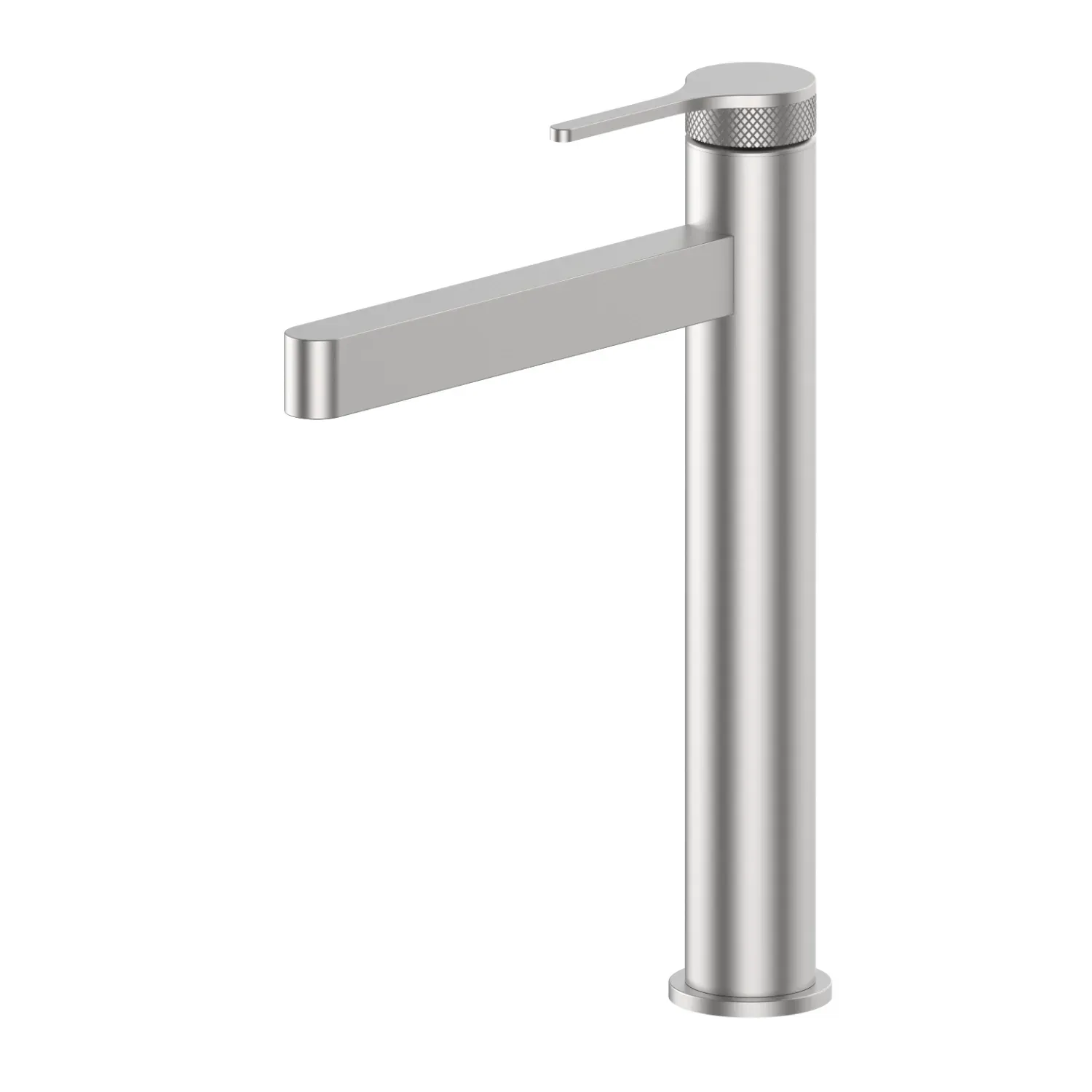
An importer choosing a faucet for a 2027 launch needs more than a finish sample and a price. The product's route to market should be agreed while the model, components and supplier are still being selected. Otherwise, a document gap can appear after packaging has been printed or stock has been ordered.
The EU's harmonised hygiene framework for materials and products in contact with drinking water starts applying on 31 December 2026, with conditional transitional arrangements. The measures were published in 2024; the immediate purchasing issue is preparing for their application, rather than reacting to a newly announced law. This guide explains what to put into a faucet sourcing brief. It does not establish the compliance status of any individual PUREHIN model.
Identify the product and its intended use
The European Commission explains that Article 11 covers products intended for new installations or repairs and reconstruction of existing installations for the abstraction, treatment, storage or distribution of water intended for human consumption, where they contact that water. Taps and fittings are among the examples. Assess the actual product and use; a decorative bathroom accessory and a faucet waterway are different cases.
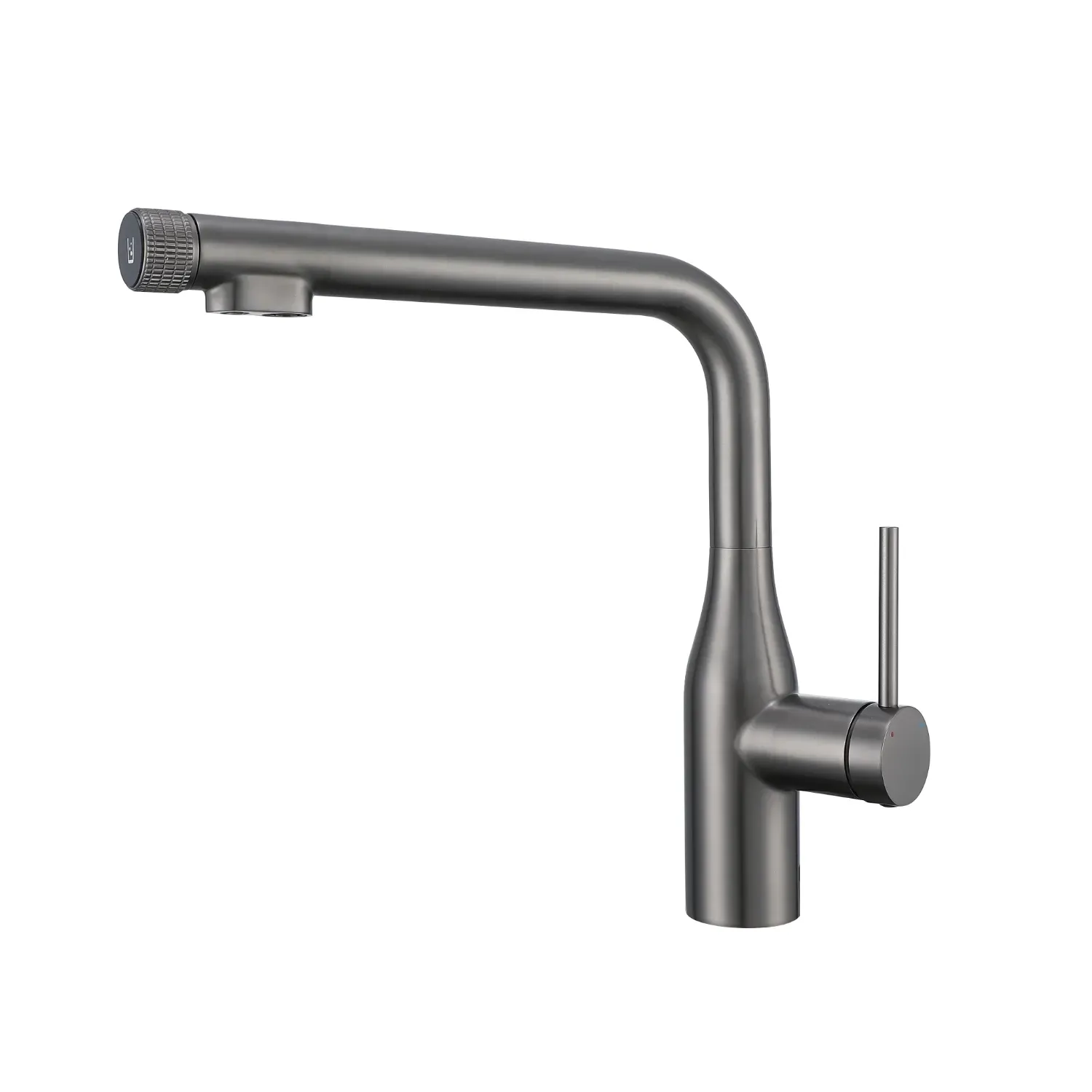
For a faucet, start with a drawing of the assembled product and a list of the parts that contact water. Ask the supplier to identify the proposed body material, internal components, seals and connection hoses where supplied. A catalogue description such as SUS304 describes a material choice; it does not identify every wetted material or demonstrate that the complete configuration has followed the applicable assessment route.
Check whether the transitional route actually fits
Article 11 of Commission Delegated Regulation (EU) 2024/370 sets the application date at 31 December 2026. For products assessed as conforming to national hygiene requirements and holding a national conformity certificate still valid on that date, the Regulation applies from 31 December 2032. That is a conditional provision, not a general extension for every product already in a catalogue.
Ask your compliance adviser or the relevant national authority to confirm the route for the country and product concerned. Keep the certificate, covered model references and validity information together. If the supplier proposes a new variant, identify it separately rather than assuming that an older model's paperwork transfers automatically.
Separate material evidence from product evidence
The European positive lists under Decision (EU) 2024/367 concern authorised starting substances, compositions and constituents. Decision (EU) 2024/368 addresses testing and acceptance of final materials. Product conformity assessment and the EU declaration are dealt with in Regulation (EU) 2024/370. These are connected steps, not interchangeable document titles.
Translate that distinction into a short document register. Give each file a purpose and a product reference, and note what remains unresolved. This makes the discussion more useful than asking for a folder containing “all certificates.”
| Procurement question | Information to request | Decision it supports |
|---|---|---|
| What will we buy? | Model, drawing revision and proposed component list | Defines the configuration being reviewed |
| Which route applies? | Destination, intended use and national or EU assessment basis | Identifies the documents needed for that market |
| What does the evidence cover? | Issuer, product references, scope and validity | Links the paperwork to the proposed order |
| What is still outstanding? | Named action owner, required assessment and target date | Makes the launch plan realistic |
Put three actions into the sourcing schedule
1. Freeze the proposed configuration for review
Create one specification sheet connecting the model, finish, drawing and supplied parts. Record any approved alternatives individually. This gives the supplier and assessor the same product definition before sample preparation or testing is discussed.
2. Review the document gaps before committing to stock
Ask for a written list distinguishing available documents, evidence needing clarification and work still required. Assign responsibility for each item and agree how its timing affects sample approval and order release. An expected document should not be recorded as a document already held.
3. Control changes after approval
Include a change-notification requirement in the purchase specification. If a wetted component or material changes, request a review of its effect on the agreed evidence before accepting the substitution. Keep the approved version attached to the order and inspection brief.
Buyer questions
Can one national certificate be treated as approval for every EU country?
Do not make that assumption. Confirm the certificate's scope and the transitional position for the destination Member State. The Commission's implementation guidance is useful background; the applicable legal text and national criteria should inform the product-specific decision.
Should we wait until the launch date to request documentation?
Request it when shortlisting. A supplier can price the selected product and identify available information much more clearly when the intended market and required evidence are part of the enquiry. Keep unresolved assessment work visible in the launch schedule.
Prepare your PUREHIN enquiry
Send the faucet models, destination Member State, intended use, estimated quantity and planned launch date. Include any certificate or testing requirements specified by your importer or adviser. Use Technical Documentation to discuss available model information and Sample Development to define an evaluation sample. Request confirmation of the evidence available for the exact configuration being quoted.
Official references
Reviewed 24 November 2026. Product scope and national transitional criteria require a model-specific review.
European Commission — Drinking Water Directive implementation and scope
EUR-Lex — Regulation (EU) 2024/370, conformity assessment and Article 11 dates
EUR-Lex — Decision (EU) 2024/367, European positive lists
EUR-Lex — Decision (EU) 2024/368, final material testing
Explore the product references
Discuss the exact configuration and available documentation for your intended market.