Comparing Faucet Quotations: What Changes the Price?
Compare wholesale faucet quotations by product function, components, finish, packaging and supplied parts. Build a clear specification for a comparable offer.
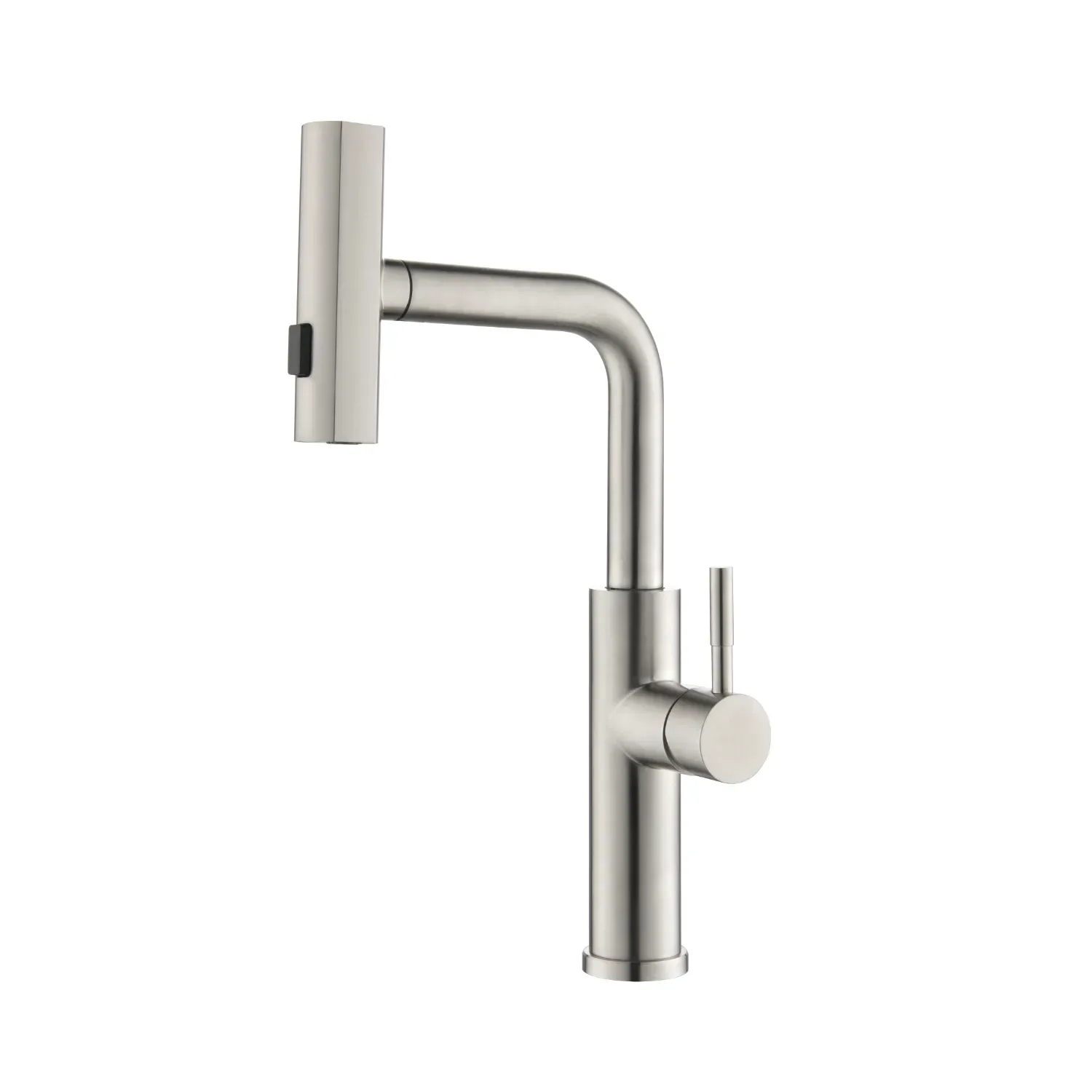
Two faucets can look almost identical in a catalogue and arrive with very different quotations. The useful question is what each price buys: the product specification, the pieces in the box and the work needed to make it ready for your market.
For an importer or bathroom brand, a clear comparison helps protect both margin and customer expectations. Start with one written specification, then ask suppliers to price that same requirement. You can make a better decision without assuming that the cheapest option is wrong or that the highest price proves better quality.
Start with the same product function
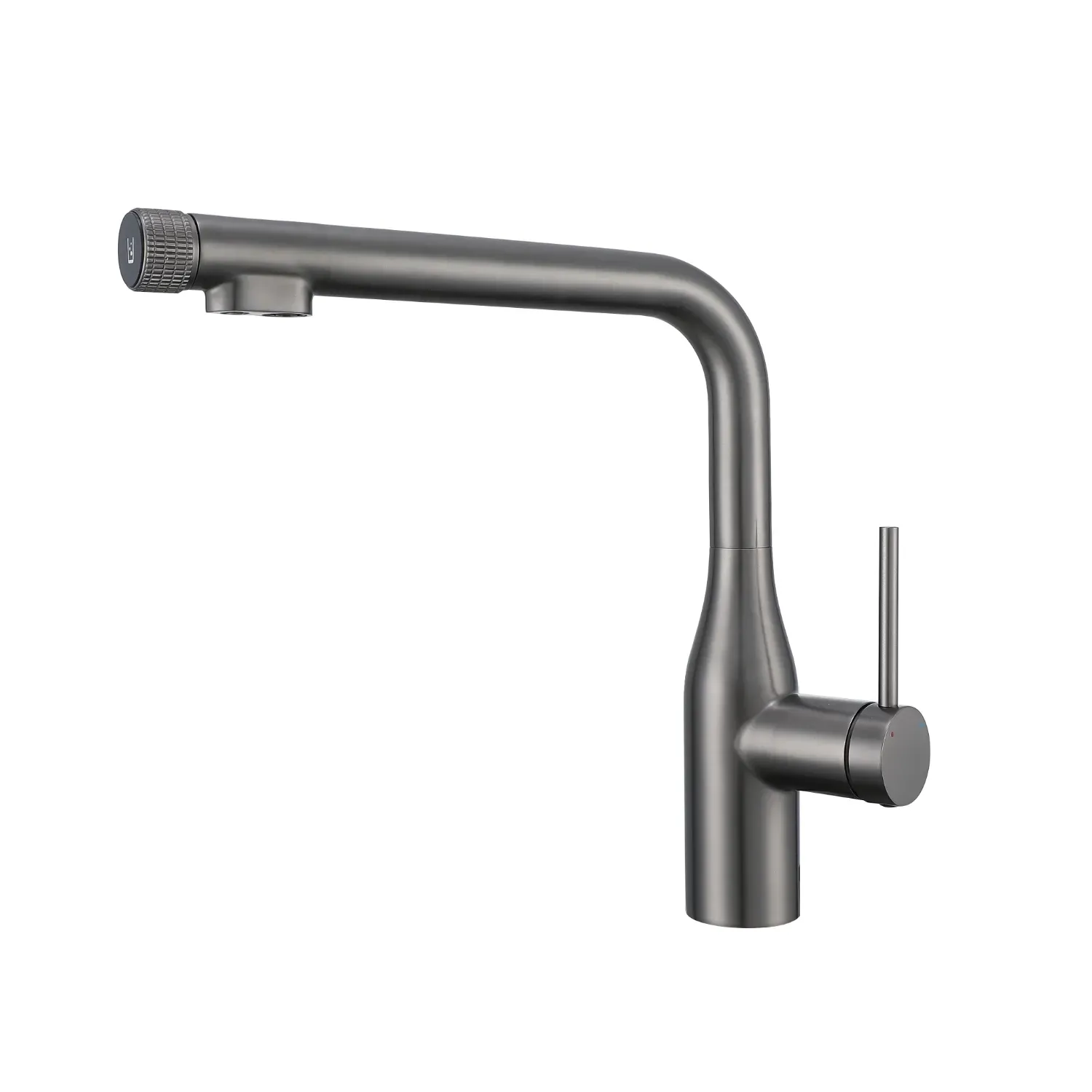
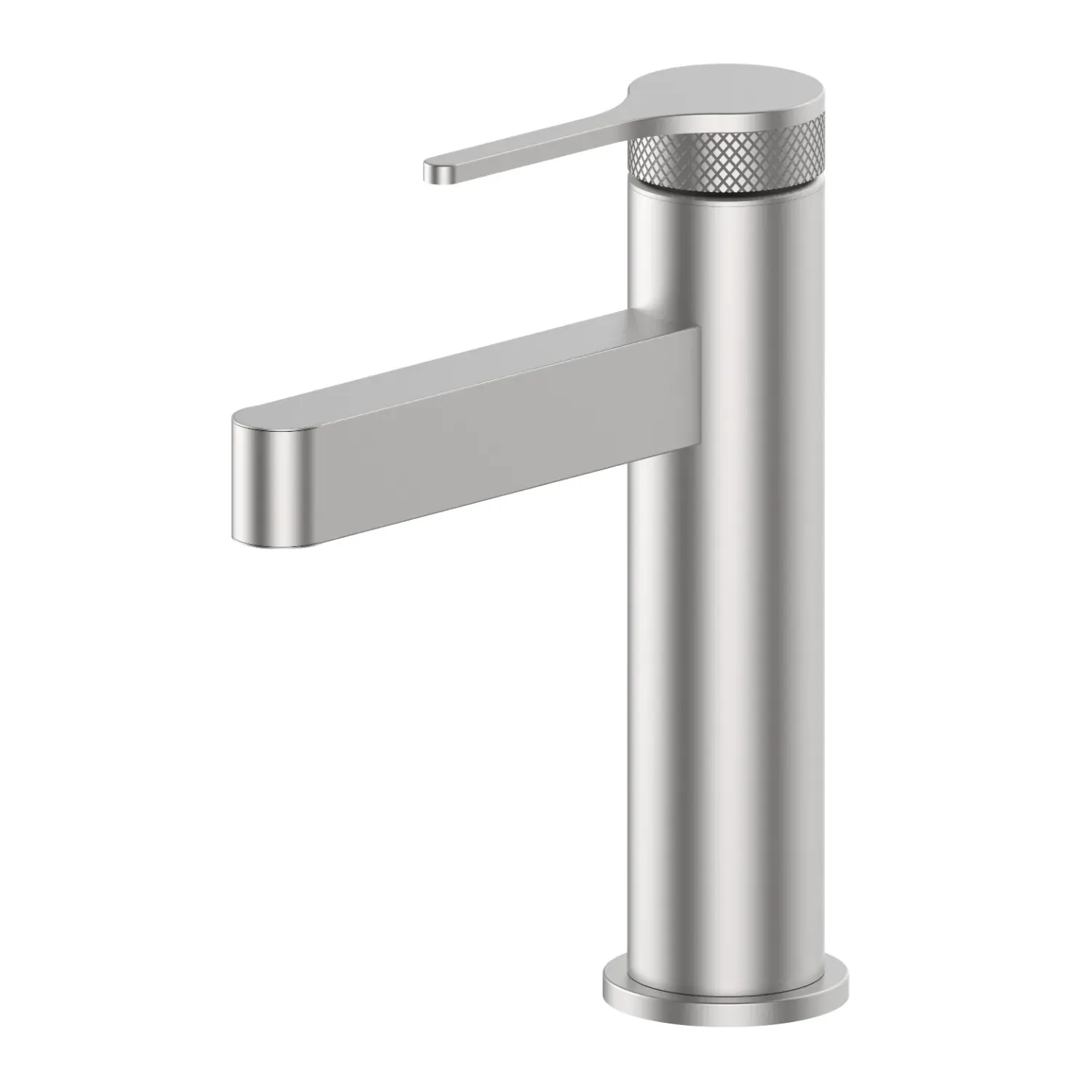
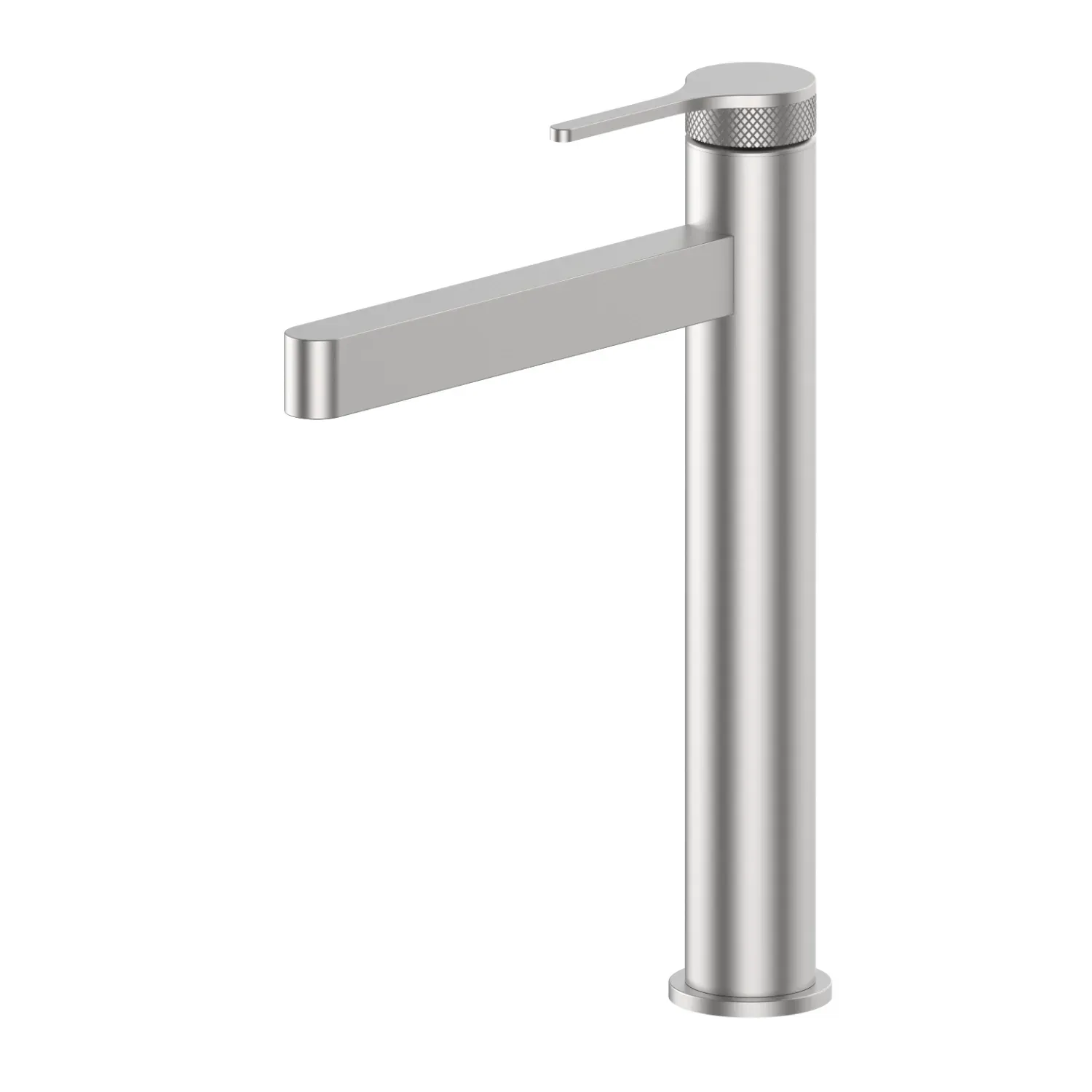
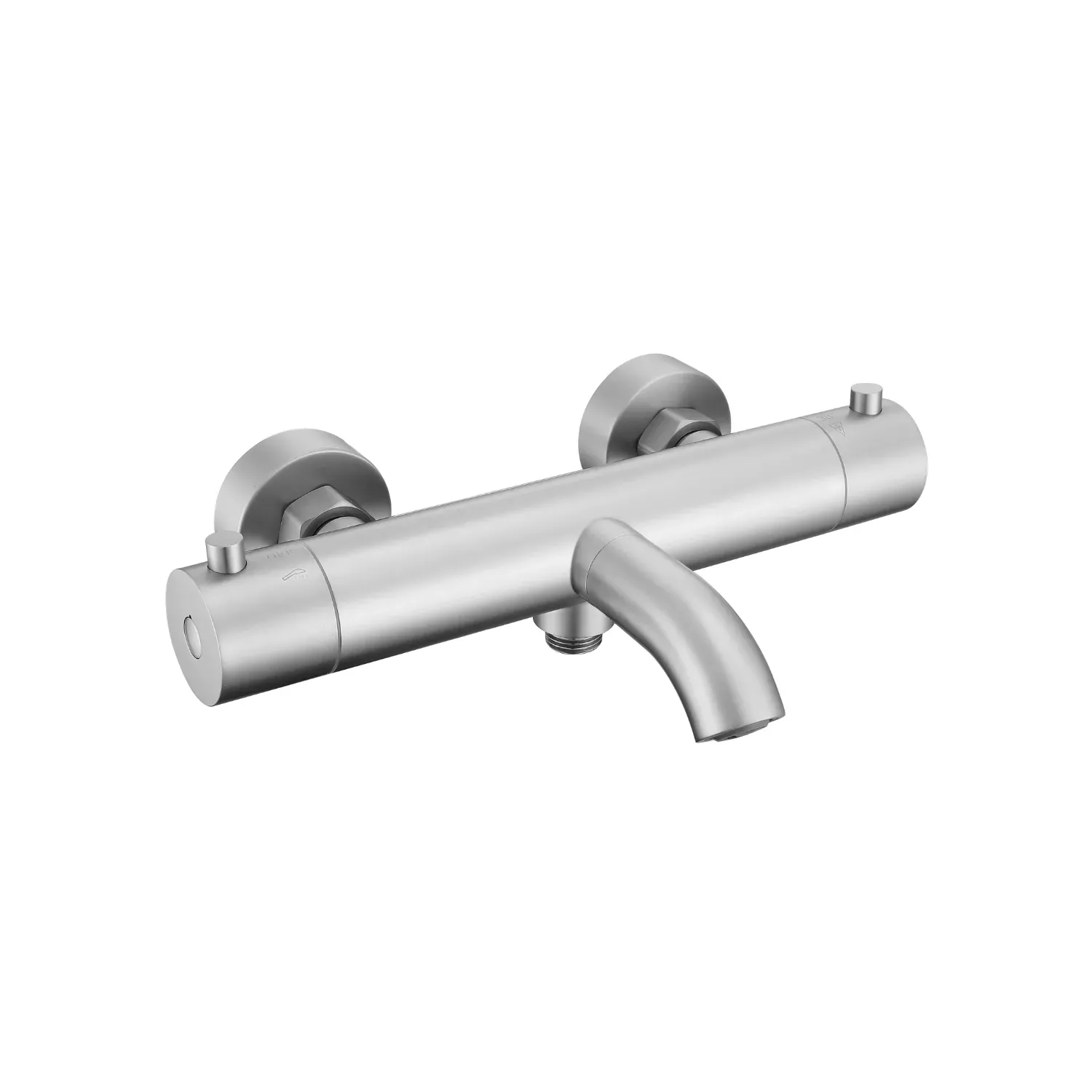
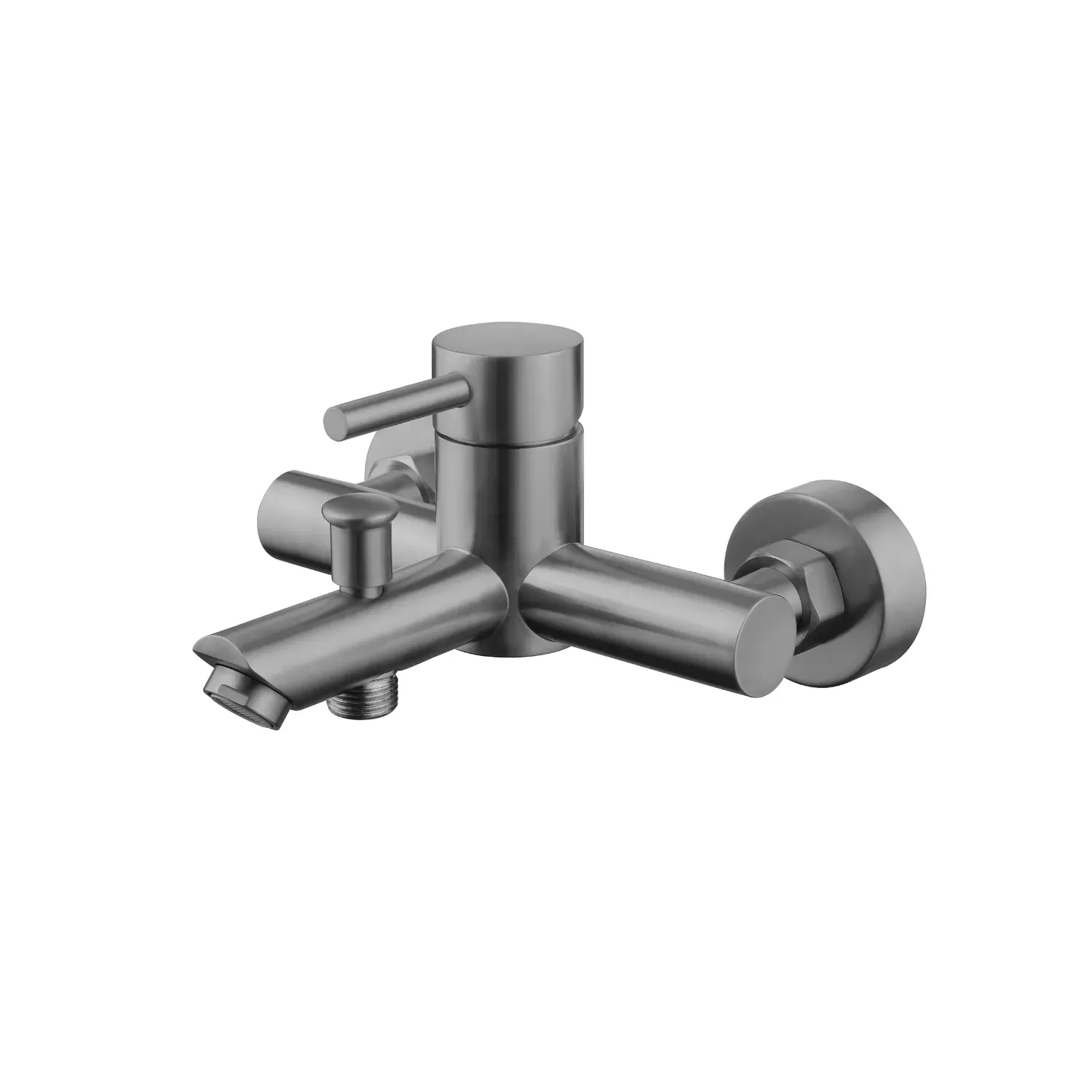
A photograph is a useful design reference, but it does not define how a faucet works. A standard kitchen mixer, a pull-out faucet and a three-way filter faucet belong to different comparisons. Their controls, connections and supplied parts may differ even when their silhouettes are similar.
For example, PUREHIN’s SF320501 is a pull-out kitchen faucet, while SF321205 is a three-way filter kitchen faucet. If you need filtered-water dispensing, a lower quotation for a conventional mixer does not answer that requirement. Resolve the product function before negotiating the price.
Write the intended use at the top of your enquiry: basin mixer, pull-out kitchen faucet, three-way filter faucet or another clearly defined product. Add the model link or drawing, preferred finish and quantity by version.
Compare the specification behind the finish
“Stainless steel faucet” is a starting description. Your purchasing specification should identify the stated material and any component requirements that matter to your range. A material description for the main body should not be treated as a complete list of materials for every internal part.
Likewise, a colour name does not explain the full finish requirement. Use a physical reference when colour matching matters, and record the agreed appearance and any applicable test requirements. Keep the approved reference attached to the order rather than relying on a chat photograph alone.
If a particular cartridge, aerator or inlet hose is required, name it before the quotation is finalised. Request confirmation for the exact offered configuration. A familiar component brand mentioned elsewhere in a catalogue is not evidence that it is included in your selected model.
Use a comparison sheet that exposes missing items
Keep “not stated” separate from “included”. A blank field is a question to resolve, not a reason to assume the supplier has included the item.
| Compare | Record for each offer | Why it matters |
|---|---|---|
| Product and finish | Model, function, drawing revision and finish reference | Establishes what is actually being priced |
| Supplied parts | Mounting pieces, connections and accessories listed individually | Shows what must be sourced separately |
| Quantity basis | Quantity per model and finish | Keeps price tiers comparable |
| Branding and packaging | Logo process, unit box, labels and packing configuration | Separates the product from optional presentation costs |
| Approval work | Samples, development charges and required documents | Identifies costs before production |
| Delivery basis | Named delivery point, freight scope and schedule assumptions | Prevents comparison of different supply scopes |
Ask for a revised written quotation once these items are settled. Use that version as the comparison record, especially when several colleagues are discussing changes with the supplier.
A lower unit price can still be the right choice
Imagine two offers for the same basin faucet design. One covers a neutral box and a defined set of mounting parts. The other adds branded packaging and a different requested component specification. Comparing only their unit-price columns hides the purchasing decision.
If your first order will use neutral packaging, ask both suppliers to quote that configuration. If your retail launch needs a branded box, ask both to include the same artwork and packing requirements. You are then choosing between comparable offers instead of paying for an option you do not need—or discovering a missing cost later.
This is also where a focused OEM manufacturing enquiry helps: define the requirement once and keep changes visible throughout quotation and sample review.
Give the quotation a usable approval reference
Before placing an order, connect the quotation to the approved model, finish reference, supplied-parts list and packaging version. If the sample differs from the proposed bulk specification, resolve that difference explicitly.
Use technical documentation support for available model information needed by your purchasing or installation team. For a first physical evaluation, discuss the selected configuration through sample development.
Buyer questions
Can I request a quotation before every detail is final?
Yes. Send the product type or reference, estimated quantity, finish and destination market first. Identify the points still open so the initial offer can distinguish a proposed specification from an approved one.
Should I send another supplier’s quotation?
You can start with your own requirement sheet instead. State the features and supply scope you need, plus your target budget if useful. There is no need to disclose another supplier’s confidential commercial information to obtain a comparable PUREHIN offer.
Get a quotation you can compare
Send PUREHIN your model shortlist, quantities by finish, destination market and packaging preference. Tell us which components or included parts are essential. Ask for those requirements to be itemised in the quotation so your team can evaluate the product and price together.